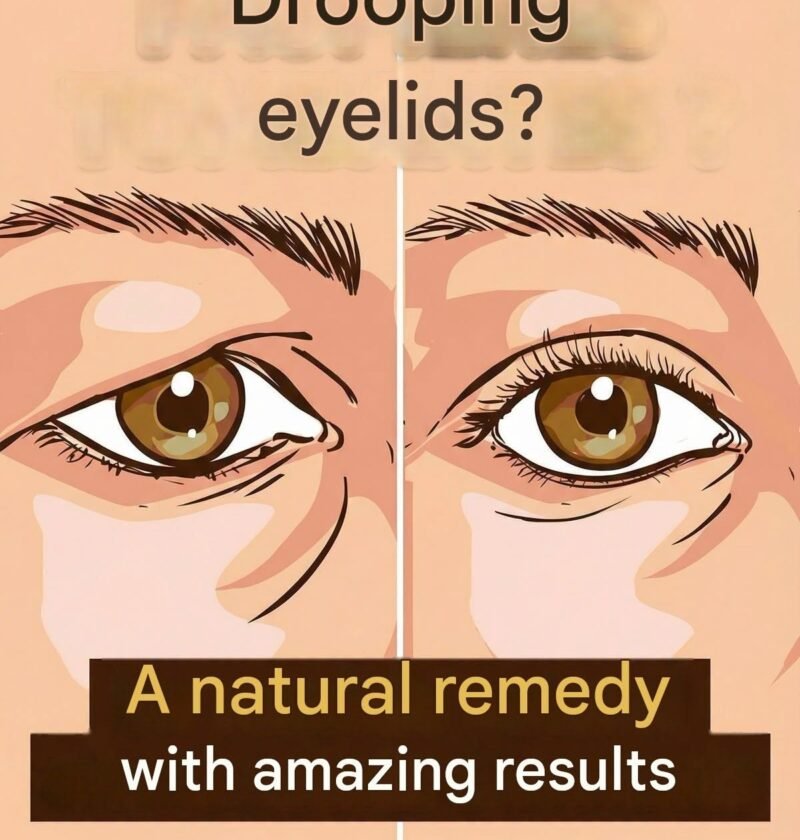
Droopy eyelids—whether caused by natural aging, loose skin, or actual muscle weakness—are one of the most common cosmetic and functional complaints as the years go on. Social media feeds are full of quick-fix exercises, eye creams, and DIY tapes promising to lift your lids overnight.
To separate realistic home care from medical reality, it helps to understand why eyelids droop and what can—and cannot—be fixed naturally.
Understanding the Two Types of “Droopy” Lids
Before trying any remedies, it is important to distinguish between two completely different causes:
-
Dermatochalasis (Excess Skin): This is the most common age-related change. The skin of the upper eyelid loses its elasticity, thins, and stretches downward, sometimes resting heavily on the eyelashes or obstructing the upper field of vision.
-
Ptosis (True Muscle Weakness): This occurs when the actual muscle that elevates the eyelid (the levator palpebrae superioris) stretches, detaches, or has a nerve issue, causing the actual eyelid margin to sag lower over the pupil.
Gentle, Natural Ways to Improve Appearance & Skin Support
If your drooping is mild and primarily driven by skin laxity, fluid retention, or minor loss of tone, certain daily habits can help support the delicate eye area:
1. Prioritize Gentle Hydration and Peptides
-
How it helps: The skin around the eyes is the thinnest on the entire human body and lacks oil glands. Using targeted eye creams containing peptides, hyaluronic acid, or ceramides helps strengthen the skin matrix, lock in moisture, and improve surface elasticity. Avoid heavy, greasy formulas that can cause morning fluid retention (puffy eyes).
2. Lymphatic Drainage and Cool Compresses
-
How it helps: Morning fluid buildup can make upper lids look heavier and more swollen. A gentle cool compress, chilled jade roller, or light tapping massage moving from the inner corner outward helps stimulate lymphatic drainage and reduce morning puffiness.
3. Strict UV Protection and Sunglasses
-
How it helps: UV radiation is the primary driver of collagen and elastin breakdown in skin. Wearing UV-blocking sunglasses and applying a gentle mineral sunscreen around the orbital bone prevents premature thinning and sagging of the eyelid skin.
4. Managing Allergies and Eye Rubbing
-
How it helps: Chronic seasonal allergies cause you to rub your eyes frequently. This mechanical stretching rapidly breaks down delicate elastic fibers in the eyelids, accelerating structural sagging over time.
What Natural Methods Cannot Do
It is important to manage expectations: no eye cream, facial exercise, or natural remedy can reverse true ptosis (levator muscle failure) or eliminate heavy, redundant folds of excess skin. When skin has permanently stretched out or a muscle has separated, topical remedies can hydrate the skin surface, but they cannot lift or shorten internal tissue.
When to See a Doctor (Red Flag Symptoms)
While mild sagging is usually a normal part of aging, a drooping eyelid can sometimes signal an underlying medical condition that requires professional evaluation. You should schedule an appointment with an optometrist, ophthalmologist, or neurologist if:
-
The onset is sudden: A lid that droops overnight or develops over a few days requires urgent medical evaluation to rule out neurological conditions (like a third cranial nerve palsy or myasthenia gravis).
-
It blocks your vision: If you find yourself constantly tilting your head back to see or if the skin hooding interferes with driving or reading.
-
It is accompanied by other symptoms: Double vision, localized pain, headaches, muscle weakness elsewhere in the face, or unequal pupil sizes.
Professional Medical Solutions
If droopy lids begin to impair your vision or significantly bother you aesthetically, modern medicine offers safe, highly effective options. A minor outpatient procedure called blepharoplasty (removal of excess skin and fat) or a ptosis repair (tightening the eyelid muscle) can restore a clear field of vision and a refreshed, natural contour.
Are you noticing mild skin laxity from aging, or have you or a loved one experienced any sudden changes in your eyelids or vision recently?