Blog

Waking up with a parched, sticky, or dry mouth is a very common morning annoyance, but it is often your body’s way of signaling that something in your nighttime routine, environment, or overall health needs attention. Medically known as **xerostomia**, waking up dry usually means your salivary glands significantly reduced their output while you slept. Here is what your body might be trying to tell you when you wake up with a dry mouth: — ### What Your Body Is Telling You * **1. “You’ve Been Breathing Through Your Mouth All Night”** * *The Cause:* This is the #1 culprit. If you have a stuffy nose, allergies, a deviated septum, or sleep apnea, you naturally switch to mouth breathing while sleeping. The constant airflow rapidly evaporates the saliva in your oral cavity. * **2. “You Are Mildly Dehydrated”** * *The Cause:* If your total fluid intake the previous day was low, or if you drank alcohol or caffeinated beverages close to bedtime, your body pulls moisture from various tissues—including your saliva glands—to maintain critical blood volume and hydration balance elsewhere. * **3. “Your Medications Are Drying You Out”** * *The Cause:* Over 400 common medications list dry mouth as a side effect. This includes antihistamines, decongestants, blood pressure drugs (like diuretics or calcium channel blockers), antidepressants, and anxiety medications. * **4. “Your Blood Sugar Might Be Elevated”** * *The Cause:* As mentioned in discussions about nighttime diabetes signs, persistently high blood sugar forces your kidneys to pull water from your tissues to flush out excess glucose, leading to systemic dehydration and a bone-dry mouth by morning. * **5. “Your Bedroom Environment Is Too Dry”** * *The Cause:* Sleeping in a room with a running heater, air conditioner, or very low ambient humidity strips moisture directly from your airways and mouth while you breathe. * **6. “Age or Hormonal Shifts Are Affecting Your Glands”** * *The Cause:* Salivary gland function naturally slows down somewhat with age, and hormonal fluctuations (such as those during menopause) can also reduce moisture production in mucous membranes. — ### Simple Ways to Find Relief * **Hydrate Throughout the Day:** Sip water consistently rather than trying to chug a large glass right before bed (which will only force midnight bathroom trips). * **Use a Bedtime Humidifier:** Running a cool-mist humidifier in your bedroom adds moisture back into the air, preventing your mouth and nasal passages from drying out overnight. * **Address Nasal Congestion:** If you have allergies or a stuffy nose, using a saline nasal spray, nasal strips, or treating underlying congestion can help encourage nose breathing. * **Avoid Evening Alcohol and Caffeine:** Both act as diuretics and can worsen nighttime dehydration and dry mouth. * **Practice Good Oral Hygiene:** Saliva protects your teeth from decay. If you suffer from chronic dry mouth, using a fluoride rinse or a specialized moisturizing mouthwash before bed can help protect your enamel. > **When to see a doctor:** If morning dry mouth is persistent, severe, wakes you up multiple times a night to drink water, or is accompanied by difficulty swallowing, burning sensations in the mouth, or chronic fatigue, consult your doctor or dentist. It’s important to rule out underlying conditions like sleep apnea, Sjögren’s syndrome, or unmanaged blood sugar. *Do you tend to wake up congested or notice other symptoms like nighttime thirst or snoring alongside the dry mouth?*

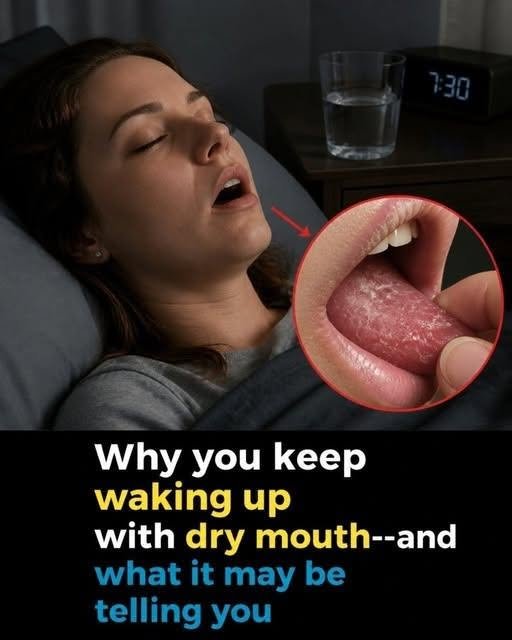
Waking up with a parched, sticky, or dry mouth is a very common morning annoyance, but it is often your body’s way of signaling that something in your nighttime routine, environment, or overall health needs attention. Medically known as xerostomia, waking up dry usually means your salivary glands significantly reduced their output while you slept.
Here is what your body might be trying to tell you when you wake up with a dry mouth:

What Your Body Is Telling You

  • 1. “You’ve Been Breathing Through Your Mouth All Night”
    • The Cause: This is the #1 culprit. If you have a stuffy nose, allergies, a deviated septum, or sleep apnea, you naturally switch to mouth breathing while sleeping. The constant airflow rapidly evaporates the saliva in your oral cavity.
  • 2. “You Are Mildly Dehydrated”
    • The Cause: If your total fluid intake the previous day was low, or if you drank alcohol or caffeinated beverages close to bedtime, your body pulls moisture from various tissues—including your saliva glands—to maintain critical blood volume and hydration balance elsewhere.
  • 3. “Your Medications Are Drying You Out”
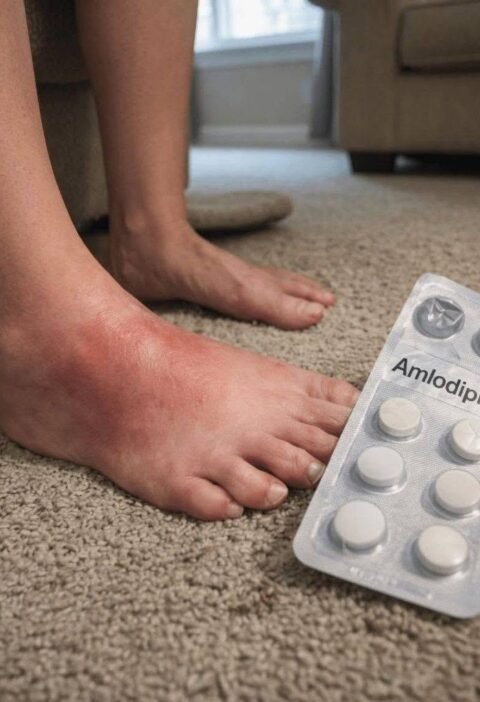
    • The Cause: Over 400 common medications list dry mouth as a side effect. This includes antihistamines, decongestants, blood pressure drugs (like diuretics or calcium channel blockers), antidepressants, and anxiety medications.
  • 4. “Your Blood Sugar Might Be Elevated”
    • The Cause: As mentioned in discussions about nighttime diabetes signs, persistently high blood sugar forces your kidneys to pull water from your tissues to flush out excess glucose, leading to systemic dehydration and a bone-dry mouth by morning.
  • 5. “Your Bedroom Environment Is Too Dry”
    • The Cause: Sleeping in a room with a running heater, air conditioner, or very low ambient humidity strips moisture directly from your airways and mouth while you breathe.
  • 6. “Age or Hormonal Shifts Are Affecting Your Glands”
    • The Cause: Salivary gland function naturally slows down somewhat with age, and hormonal fluctuations (such as those during menopause) can also reduce moisture production in mucous membranes.

Simple Ways to Find Relief

  • Hydrate Throughout the Day: Sip water consistently rather than trying to chug a large glass right before bed (which will only force midnight bathroom trips).
  • Use a Bedtime Humidifier: Running a cool-mist humidifier in your bedroom adds moisture back into the air, preventing your mouth and nasal passages from drying out overnight.
  • Address Nasal Congestion: If you have allergies or a stuffy nose, using a saline nasal spray, nasal strips, or treating underlying congestion can help encourage nose breathing.
  • Avoid Evening Alcohol and Caffeine: Both act as diuretics and can worsen nighttime dehydration and dry mouth.
  • Practice Good Oral Hygiene: Saliva protects your teeth from decay. If you suffer from chronic dry mouth, using a fluoride rinse or a specialized moisturizing mouthwash before bed can help protect your enamel.
When to see a doctor: If morning dry mouth is persistent, severe, wakes you up multiple times a night to drink water, or is accompanied by difficulty swallowing, burning sensations in the mouth, or chronic fatigue, consult your doctor or dentist. It’s important to rule out underlying conditions like sleep apnea, Sjögren’s syndrome, or unmanaged blood sugar.
Do you tend to wake up congested or notice other symptoms like nighttime thirst or snoring alongside the dry mouth?

Leave a Reply

Your email address will not be published. Required fields are marked *