23 Strange Signs Your Kidneys Might Be in Trouble
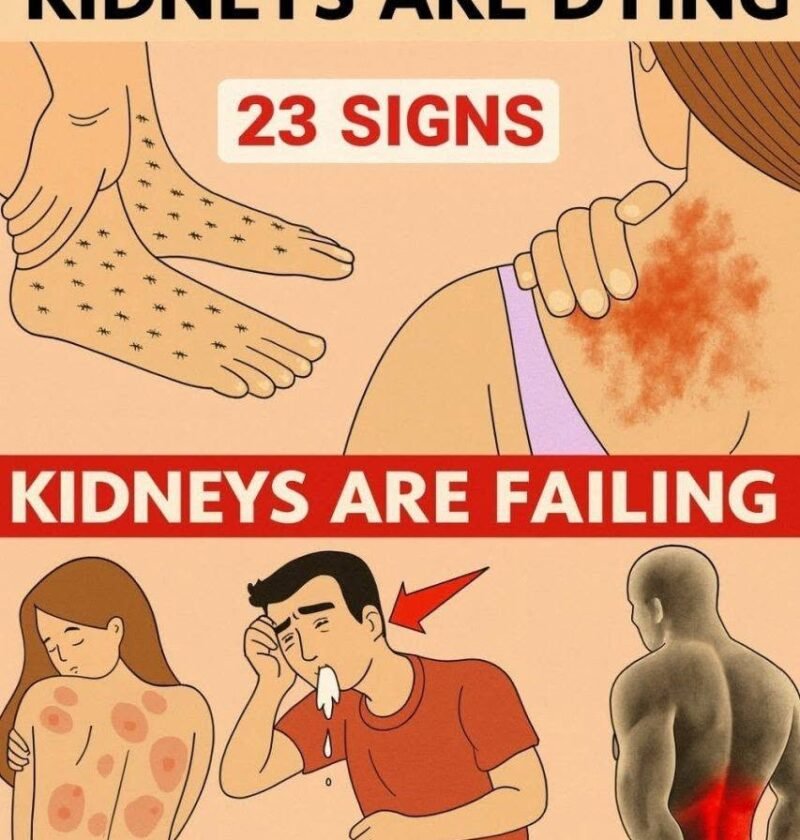
The headline is a little misleading: kidney disease often causes no noticeable symptoms in its early stages. That’s why blood and urine testing is much more reliable than looking for a long list of symptoms. (NIDDK)
When kidney disease becomes more advanced, however, several less-obvious changes can occur:
- Foamy or unusually bubbly urine — can indicate protein leaking into the urine.
- Blood or dark-colored urine — needs medical evaluation.
- Urinating more often, particularly at night.
- Urinating less than usual.
- Swollen ankles, feet or legs from fluid retention.
- Puffy eyes, especially in the morning.
- Persistent fatigue or weakness.
- Difficulty concentrating or “brain fog.”
- Trouble sleeping.
- Persistent itchy or unusually dry skin.
- Muscle cramps, including nighttime leg cramps.
- Numbness or tingling in the hands or feet.
- Poor appetite.
- Nausea or vomiting.
- Unintentional weight loss.
- Shortness of breath.
- Chest discomfort in advanced disease.
- Headaches.
- Changes in taste or an unpleasant/metallic taste.
- Breath that smells unusually ammonia-like or urine-like.
- Generalized swelling of the hands or face.
- Sleep problems or restless legs.
- Changes in blood pressure—kidney disease and high blood pressure can contribute to each other. (National Kidney Foundation)
🧪 The most important point
Having one of these symptoms doesn’t mean you have kidney disease. Many have other explanations. Conversely, you can have significant kidney disease while feeling perfectly well.
If you’re at higher risk—particularly if you have diabetes, high blood pressure, heart disease or a family history of kidney failure—ask about kidney testing. The usual checks include an eGFR blood test and a urine albumin-to-creatinine ratio (uACR). (NIDDK)
🚨 Don’t ignore severe symptoms
Marked shortness of breath, chest pain, severe confusion, or very little/no urine can require urgent medical attention. Advanced kidney failure can cause dangerous fluid and electrolyte problems. (NIDDK)
Bottom line: Don’t rely on a “23 signs” checklist to diagnose kidney trouble. Testing can detect kidney disease before symptoms appear, when there’s often more opportunity to slow its progression. (NIDDK)