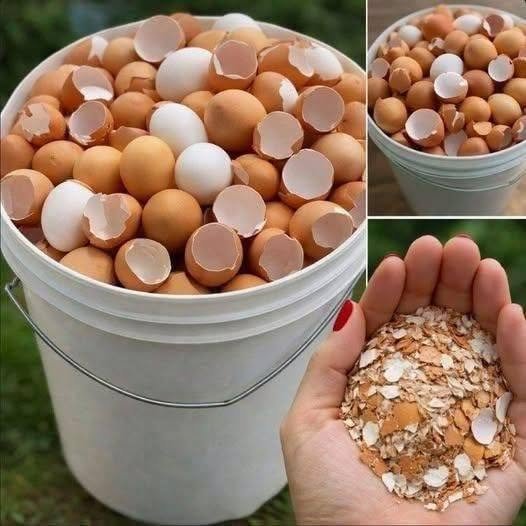
Boiling eggshells is a popular internet trick and traditional zero-waste hack that transforms everyday kitchen trash into a free, nutrient-rich resource for your garden and plants!
When people say “Boil eggshells and say goodbye to…”, they are usually referring to saying goodbye to expensive plant fertilizers, calcium deficiencies in garden soil, and garden pests like snails and slugs.
Why Boil Eggshells?
Eggshells are composed almost entirely of calcium carbonate (about 90%), along with trace amounts of phosphorus, magnesium, and potassium. However, raw eggshells can harbor bacteria or attract pests if thrown straight into soil. Boiling them sanitizes the shells, washes away residual egg white, and makes them safe to use.
How to Prepare Them:
-
Clean: Rinse your leftover eggshells thoroughly under running water.
-
Boil: Boil the shells in a pot of water for about 5 minutes to kill any bacteria.
-
Dry: Let them dry out completely (you can air-dry them or bake them on low heat for a few minutes).
What You Can Do With Them (How They Help):
-
Say Goodbye to Blossom-End Rot in Tomatoes: Plants like tomatoes, peppers, and eggplants frequently suffer from blossom-end rot due to a lack of calcium in the soil. Crushing boiled eggshells into a fine powder and mixing them into the soil provides a slow-release natural calcium boost. (Pro-tip: Some gardeners also steep boiled shells overnight to make a “liquid calcium” water for potted plants!)
-
Say Goodbye to Slugs and Snails: Coarsely crushed, sharp-edged eggshells can be scattered in a ring around vulnerable garden plants. Soft-bodied pests like slugs and snails dislike crawling over the rough, jagged texture, acting as an organic deterrent.
-
Enrich Your Compost: Adding crushed eggshells to your compost bin introduces valuable minerals, helping break down organic waste into a richer, more nutrient-dense soil amendment.
Are you looking to use them for a specific plant project, or were you curious about another household use for them?