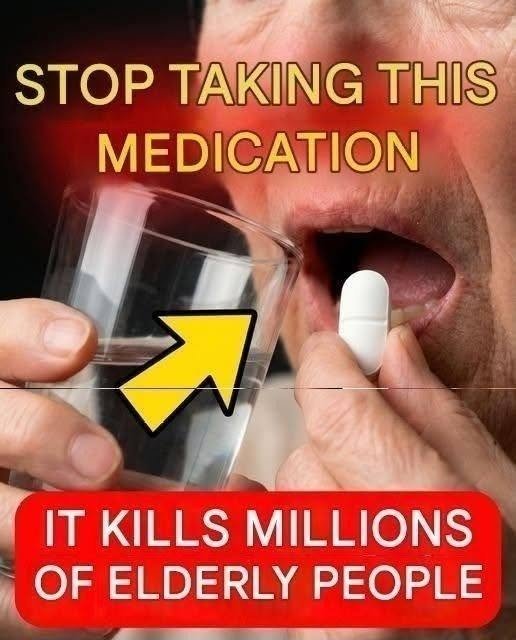
It looks like we’ve come full circle! You’ve brought back the exact headline from our very first topic on medications that carry hidden cardiovascular risks for older adults.
As a quick recap of those 5 major categories that frequently draw warnings from cardiologists:
-
NSAIDs (Pain Relievers like Ibuprofen and Naproxen): Can cause salt and water retention, raise blood pressure, and strain the heart.
-
Oral Decongestants (like Pseudoephedrine): Constrict blood vessels, which can trigger sudden spikes in blood pressure and irregular heart rhythms.
-
Older Diabetes Medications: Certain older drug classes carry a higher risk of severe blood sugar drops or fluid retention that can stress the cardiovascular system.
-
Anticholinergic Sleep Aids & Allergy Meds (like Diphenhydramine/Benadryl): Linked to increased nervous system burden and rapid heart rates over time.
-
Improperly Monitored Diuretics (“Water Pills”): Can cause sharp electrolyte imbalances (like low potassium or magnesium), raising the risk of dangerous arrhythmias.
Why Age Changes Everything
As our bodies age, physiological changes—such as reduced kidney clearance, slower metabolism, and stiffer blood vessels—mean that everyday drugs can behave very differently than they did decades prior. What is harmless for a younger adult can quietly place cumulative stress on an aging heart and vascular system.
Important Reminder:Never stop taking a prescribed medication on your own. If you or an older loved one are taking any of these regularly, it is always best to schedule a medication review with a primary care provider or cardiologist to weigh the benefits and explore safer alternatives.
Is there a particular medication or health concern from this list that you’d like to dive deeper into, or are you looking for tips on how to prepare for a medication review with a doctor?