Pharmacist Warning: What People Taking Vitamin D Should Know
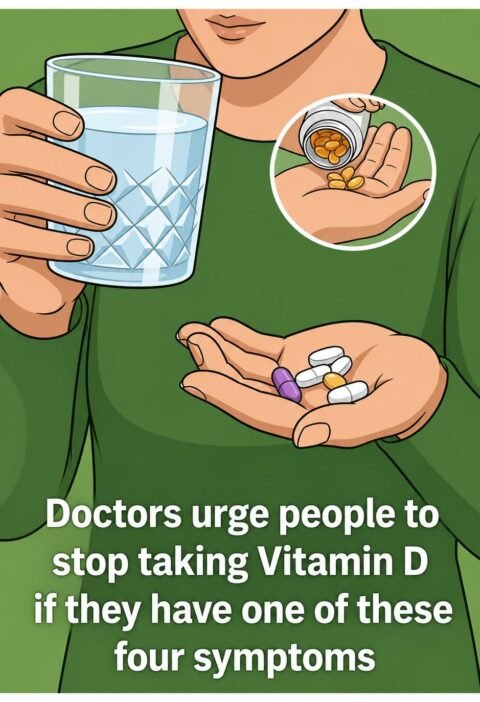
Vitamin D is important for bone health and calcium absorption, but more isn’t necessarily better. The main concern with supplements is taking unnecessarily high doses for a prolonged period.
For adults, the generally recognized upper intake limit is 4,000 IU (100 mcg) per day from all sources, although a doctor may prescribe higher doses temporarily to treat a documented deficiency. ODS+1
What can happen if you take too much?
Excess vitamin D can raise calcium levels in the blood. Possible symptoms include:
-
Nausea or vomiting
-
Poor appetite
-
Excessive thirst or urination
-
Muscle weakness
-
Confusion
-
Constipation
-
Kidney stones
Severe toxicity can damage the kidneys and cause abnormal heart rhythms. ODS+1
Be especially careful if you take other medicines
Vitamin D can interact with some medications, including thiazide diuretics, steroids, orlistat, and certain statins. People taking regular medications or calcium supplements should discuss vitamin D dosing with a healthcare professional. ODS
Bottom line: The warning shouldn’t be “stop taking vitamin D.” Instead, avoid high-dose supplementation unless it has been recommended for you, and don’t combine multiple vitamin-D-containing products without checking the total dose.