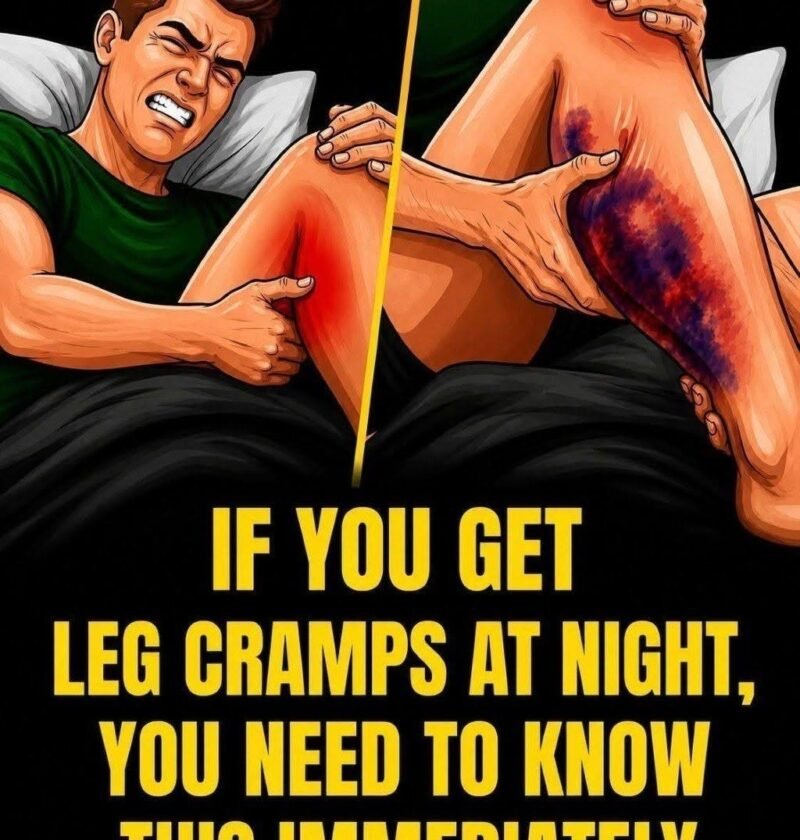
Nighttime leg cramps—often hitting suddenly in the calves, feet, or thighs—can jolt you awake with a sharp, agonizing pain. While they usually pass within a few minutes, repeatedly ignoring them or writing them off as just a minor annoyance can mean missing signs of an underlying issue.
Here is a breakdown of what nighttime leg cramps mean, why they happen, and what you can do about them.
—
### What Causes Nighttime Leg Cramps?
Most nighttime cramps are **benign leg cramps of unknown origin**, meaning they happen without a clear medical cause. However, they can also be triggered by specific factors:
* **Muscle Fatigue and Strain:** Overusing leg muscles during the day, prolonged standing, or unaccustomed exercise can make muscles prone to cramping at night.
* **Dehydration and Electrolyte Imbalances:** Low levels of magnesium, potassium, calcium, or sodium can disrupt normal nerve and muscle function.
* **Circulation Issues:** Reduced blood flow to the legs (such as peripheral artery disease) can deprive muscles of adequate oxygen.
* **Nerve Compression:** Conditions like lumbar stenosis or peripheral neuropathy can irritate the nerves controlling leg muscles.
* **Medications:** Certain drugs—particularly diuretics (water pills) and statins—are frequently associated with leg cramps as a side effect.
—
### When Should You See a Doctor?
While occasional cramps are harmless, you should consult a healthcare provider if your cramps:
* Happen frequently or worsen over time.
* Cause severe, prolonged pain or muscle weakness that lingers the next day.
* Are accompanied by swelling, redness, warmth, or noticeable skin changes in the legs (which can indicate a blood clot, such as a DVT).
* Interfere significantly with your sleep night after night.
—
### Quick Relief and Prevention Tips
* **When a Cramp Hits:**
* **Stretch:** Gently stretch the muscle. For a calf cramp, straighten your leg and pull the toes upward toward your shin.
* **Move Around:** Walking or shaking out the leg can help relax the contracted muscle.
* **Apply Heat or Ice:** Use a warm towel or heating pad on tight muscles, or an ice pack if there is residual soreness.
* **To Help Prevent Them:**
* **Stay Hydrated:** Drink plenty of fluids throughout the day.
* **Gentle Stretching:** Incorporate light calf and leg stretches into your routine before bedtime.
* **Review Your Diet:** Ensure you are getting balanced nutrition rich in magnesium and potassium (found in bananas, leafy greens, nuts, and seeds).
—
Are you experiencing these cramps frequently at night, or are you looking for ways to prevent them?