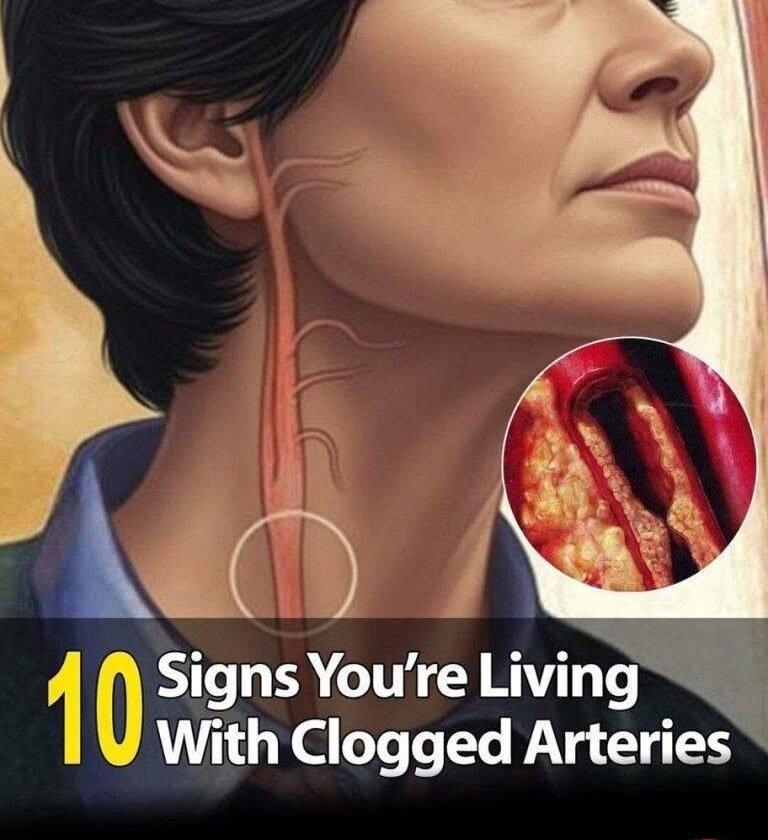
Blocked arteries (caused by a buildup of fatty plaque known as atherosclerosis) restrict blood flow to vital organs. Because this process happens gradually, early warning signs are frequently overlooked or mistaken for routine fatigue or aging.
The top 10 indicators of blocked arteries that you should never ignore include:
—
### 1. Chest Pain, Pressure, or Discomfort (Angina)
* **What it feels like:** Often described as a squeezing, tightness, heaviness, or burning sensation in the center or left side of the chest.
* **Why it happens:** The heart muscle isn’t receiving enough oxygen-rich blood during times of exertion or emotional stress. It typically subsides with rest.
### 2. Shortness of Breath
* **What it feels like:** Struggling to catch your breath or feeling winded during routine activities (like climbing stairs, walking, or carrying groceries) that used to feel effortless.
* **Why it happens:** When your heart cannot pump blood efficiently, fluid can back up into the lungs, or the body fails to receive adequate oxygenation.
### 3. Pain Radiating to the Arms, Neck, Jaw, or Back
* **What it feels like:** A dull ache, sharp pain, or discomfort that travels down the left arm (or both arms), into the shoulders, upper back, neck, or lower jaw.
* **Why it happens:** Heart-related nerve pathways are shared with other parts of the upper body, leading to “referred pain.” *Note: This is particularly common among women.*
### 4. Extreme or Unusual Fatigue
* **What it feels like:** An overwhelming, heavy exhaustion that persists even after a full night’s sleep, making normal daily tasks feel exhausting.
* **Why it happens:** The heart has to work much harder to push blood through narrowed arteries, siphoning energy away from the rest of the body.
### 5. Sudden Dizziness or Lightheadedness
* **What it feels like:** A sudden feeling of unsteadiness, wooziness, or feeling as though you might faint.
* **Why it happens:** Restricted blood flow can cause a sudden drop in blood pressure, meaning the brain isn’t getting a steady supply of oxygen.
### 6. Cold Sweats (Diaphoresis)
* **What it feels like:** Breaking out into a cold, clammy sweat for no apparent reason, often accompanied by anxiety or nausea.
* **Why it happens:** Sudden, unexplained sweating is a classic sign that the body and heart are under acute physical stress.
### 7. Heart Palpitations or Irregular Heartbeats
* **What it feels like:** Sensations that your heart is racing, fluttering, pounding, or skipping beats.
* **Why it happens:** Poor blood supply to the heart muscle can interfere with its electrical system, leading to rhythm irregularities.
### 8. Unexplained Indigestion, Nausea, or Heartburn
* **What it feels like:** A sour stomach, bloating, mild abdominal discomfort, or nausea that mimics a digestive issue.
* **Why it happens:** Reduced blood flow to the digestive tract or atypical nerve signaling from the heart can manifest as stomach trouble. Like radiating pain, digestive symptoms are frequently missed warning signs, particularly in women.
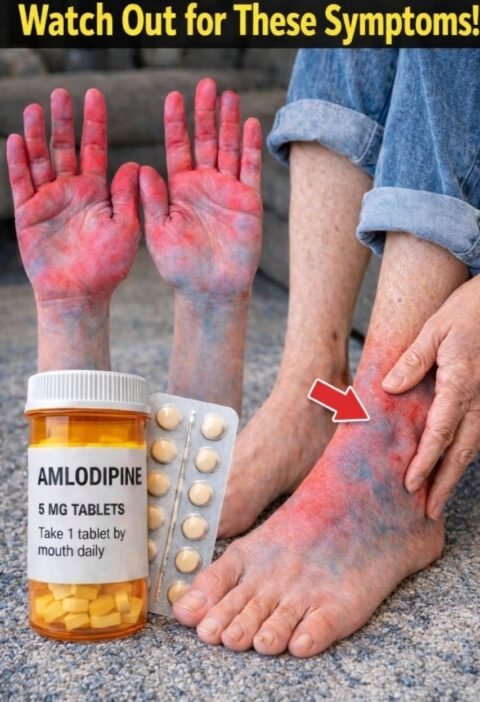
### 9. Swelling in the Feet, Legs, or Ankles (Edema)
* **What it feels like:** Puffy lower extremities, where socks leave deep impressions or shoes feel noticeably tighter.
* **Why it happens:** When heart efficiency drops due to blockages, blood flow slows down on its return journey from the lower body, causing fluid to leak into surrounding tissues.
### 10. Leg Pain or Cramping When Walking (Claudication)
* **What it feels like:** A cramping, aching, or tired feeling in the calves, thighs, or buttocks that triggers while walking and eases up when you rest.
* **Why it happens:** This points to **Peripheral Artery Disease (PAD)**, meaning plaque has built up in the peripheral arteries supplying your limbs, restricting blood flow to your leg muscles.
—
> **When to Seek Emergency Help:**
> Call emergency services immediately if you experience chest pain, pressure, or discomfort that lasts more than a few minutes, or if it is accompanied by severe shortness of breath, sudden sweating, dizziness, or pain spreading to your jaw or arms.
Are you or someone you know currently experiencing any of these specific symptoms, or looking for guidance on heart health testing?