Vitamins, stroke risk, and brain health in older adults
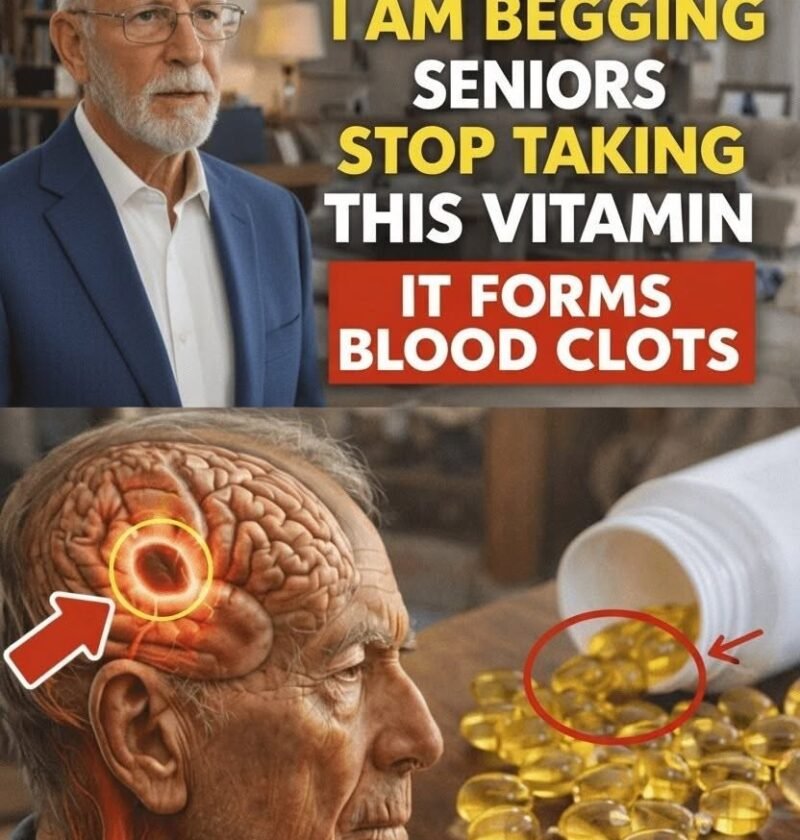
For older adults, vitamins are important for overall health, but taking more vitamins doesn’t automatically protect the brain or prevent stroke. The key is correcting genuine deficiencies while avoiding excessive supplementation.
Nutrients worth knowing about fatigue, numbness, memory changes, or another symptom, it’s better to identify the cause with a healthcare professional rather than taking multiple
-
Folate (vitamin B9), B6 and B12: These vitamins help regulate homocysteine. Severe deficiencies can cause anemia and neurological problems. B12 deficiency is particularly important to identify because it can cause potentially reversible nerve and cognitive problems.
-
Vitamin D: Important for bone and muscle health. Low vitamin D is associated with various health problems, but taking extra vitamin D hasn’t been established as a way to prevent stroke.
-
Vitamin B1 (thiamine): Deficiency can cause serious neurological problems, particularly in people with poor nutrition or certain medical conditions.
-
Vitamin E: Obtaining it from foods such as nuts and seeds is generally preferable to taking high-dose supplements. High doses aren’t a proven stroke-prevention strategy and can increase bleeding risk in some circumstances.
⚠️ More isn’t necessarily better
High-dose supplements can cause harm. For example, excessive vitamin B6 over time can cause nerve damage, while excessive vitamin D can lead to dangerously high calcium levels.
Also be cautious about supplements marketed as “brain boosters,” “stroke preventers,” or “artery cleansers.” They often make claims that aren’t supported by clinical evidence.
What actually matters most for stroke prevention?
For older adults, factors such as blood pressure, cholesterol, diabetes, smoking, physical activity, diet, atrial fibrillation, and prescribed medications generally matter much more than taking a collection of vitamin supplements.
If you’re considering vitamins because of fatigue, numbness, memory changes, or another symptom, it’s better to identify the cause with a healthcare professional rather than taking multiple supplements blindly.
And if there are sudden symptoms such as facial drooping, one-sided weakness, speech difficulty, vision loss, or sudden severe imbalance, treat them as a possible stroke and seek emergency care immediately.