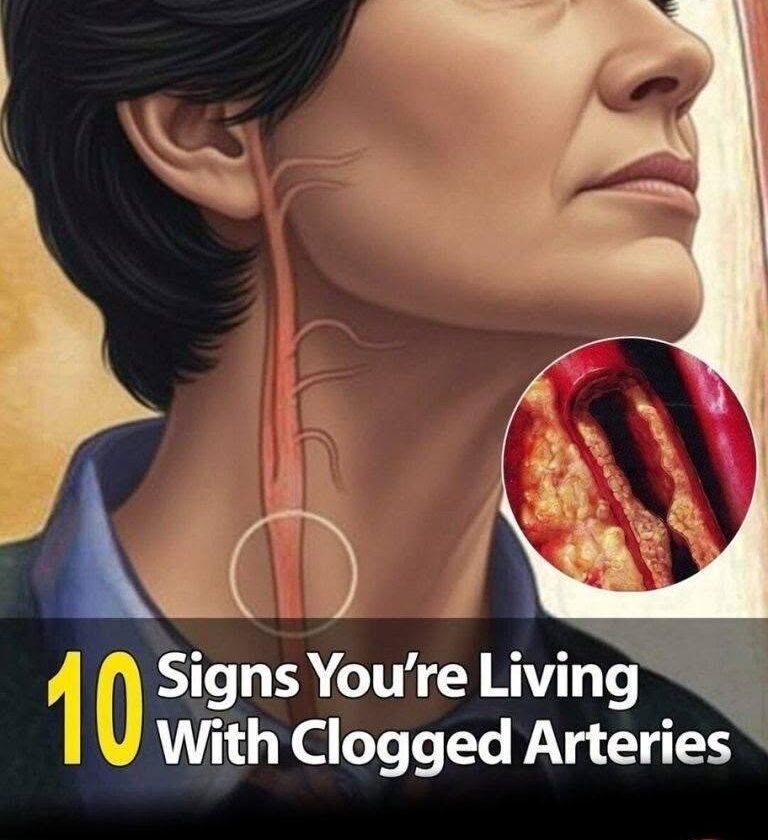
Blocked arteries—medically known as atherosclerosis—occur when plaque (made of cholesterol, fat, calcium, and cellular waste) builds up inside your arterial walls over years. As these passageways narrow and stiffen, blood flow to vital organs like your heart, brain, and limbs becomes restricted.
Because the cardiovascular system adapts until a vessel is severely compromised, early warning signs are often subtle. Recognizing these red flags can be life-saving.
The 10 Indicators of Blocked Arteries
1. Angina (Chest Pain, Tightness, or Pressure)
-
What it feels like: A squeezing, heaviness, or burning sensation in the center or left side of your chest, often triggered by physical exertion or emotional stress and relieved by rest.
-
Why it happens: When coronary arteries supplying the heart muscle become blocked, the heart is temporarily starved of oxygen during high-demand moments.
2. Shortness of Breath (Dyspnea)
-
What it feels like: Feeling winded from routine activities that used to be easy, like climbing a flight of stairs or walking up a slight incline.
-
Why it happens: If your heart cannot pump blood efficiently due to narrowed arteries, blood backs up slightly into the lungs, reducing oxygen exchange.
3. Claudication (Leg Pain or Cramping While Walking)
-
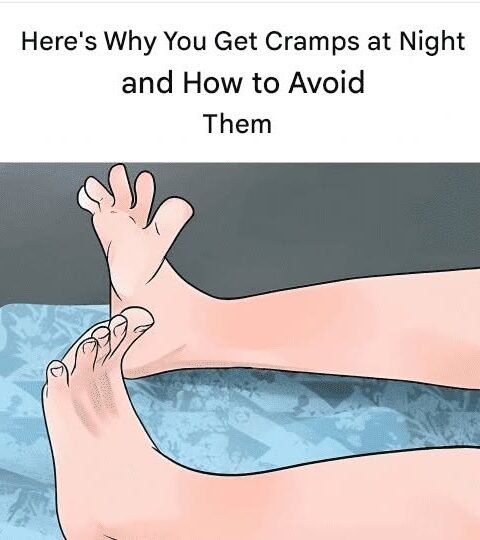
What it feels like: A cramping, aching, or tired feeling in your calves, thighs, or buttocks that flares up when walking and disappears shortly after you rest.
-
Why it happens: This is a classic sign of Peripheral Artery Disease (PAD), meaning plaque has built up in the arteries carrying blood away from your heart to your lower limbs.
4. Transient Ischemic Attacks (TIAs) or “Mini-Strokes”
-
What it feels like: Sudden, temporary weakness or numbness on one side of the body, slurred speech, temporary vision loss in one eye, or sudden dizziness.
-
Why it happens: Carotid arteries in the neck supplying blood to the brain are partially blocked, or a small piece of plaque/blood clot has temporarily cut off cerebral blood flow.
5. Cold Hands and Feet (or Noticeably Pale Skin)
-
What it feels like: Fingers or toes that constantly feel freezing cold to the touch, or skin that looks paler or slightly bluish (cyanosis) compared to the rest of the body.
-
Why it happens: Severely restricted blood circulation prevents warm, oxygen-rich blood from reaching your body’s outer extremities.
6. Chronic Fatigue and Exhaustion
-
What it feels like: An overwhelming, heavy exhaustion that doesn’t improve with a full night’s sleep, making daily tasks feel monumental.
-
Why it happens: When your cardiovascular system is working overtime to push blood through narrowed vessels, your entire body and brain operate with reduced energy reserves.
7. Dizziness, Lightheadedness, or Fainting Spells
-
What it feels like: Feeling woozy when standing up, or experiencing sudden spells of vertigo and unsteadiness.
-
Why it happens: Inadequate blood flow to the brain—either due to general cardiovascular inefficiency or specific blockages in major supplying arteries—causes blood pressure drops.
8. Erectile Dysfunction (ED)
-
What it feels like: Persistent difficulty achieving or maintaining an erection.
-
Why it happens: Penile arteries are significantly smaller in diameter than coronary arteries, meaning they often show plaque buildup first. ED can be one of the earliest physical warning signs of systemic vascular disease.
9. Slow-Healing Sores or Wounds on Feet and Toes
-
What it feels like: Small cuts, blisters, or scrapes on your lower legs, ankles, or feet that linger for weeks without showing signs of closing.
-
Why it happens: White blood cells, oxygen, and nutrients delivered via the bloodstream are essential for tissue repair; restricted blood flow stalls the healing process.
10. A Weak or Absent Pulse in the Feet
-
What it feels like: When checking the top of your foot or behind your ankle, you cannot feel a strong, rhythmic pulse (or a doctor notes it during an exam).
-
Why it happens: Advanced arterial narrowing in the lower extremities dampens the physical pulse wave traveling down from the heart.
⚠️ When to Seek Emergency Help: If chest pain, sudden severe shortness of breath, or stroke symptoms (facial drooping, sudden arm weakness, speech difficulty) happen abruptly and do not go away with rest, call emergency services immediately. Never wait to see if a heart event will pass.