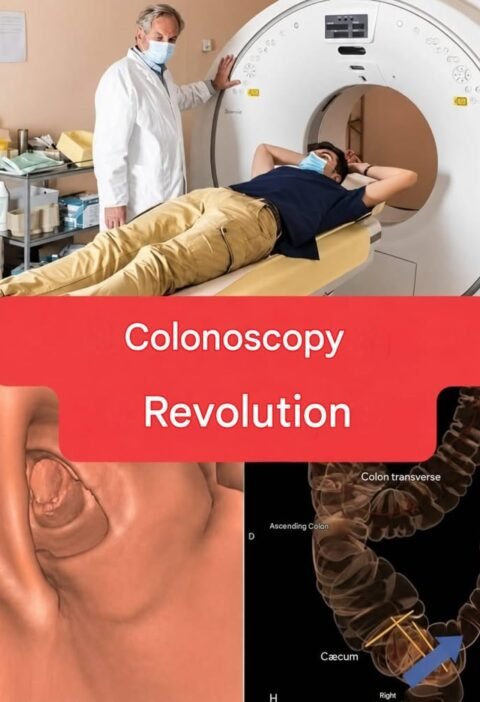
When people talk about a “non-invasive colonoscopy” or alternatives that eliminate the traditional procedure, they are usually referring to advanced screening options that avoid the physical tube insertion, deep sedation, or extensive recovery of a standard optical colonoscopy.
While traditional colonoscopy remains the “gold standard” because doctors can see the entire colon and remove pre-cancerous polyps (biopsies) during the same visit, several established and emerging methods allow for early detection without the traditional invasive process.
Current and Emerging Non-Invasive Alternatives
-
Advanced Stool Tests (e.g., Cologuard, FIT): Modern multi-target stool DNA tests and fecal immunochemical tests (FIT) analyze stool samples for microscopic traces of blood or altered DNA shed by polyps and tumors. Recent advancements even utilize artificial intelligence to map gut microbiome subspecies via stool samples, yielding high detection accuracy rates for colorectal cancer without requiring a physical scope.
-
Liquid Biopsies (Blood Tests): FDA-approved blood-based screening options (like cell-free DNA blood tests) screen for specific genetic mutations and DNA methylation patterns associated with colorectal cancer from a routine blood draw.
-
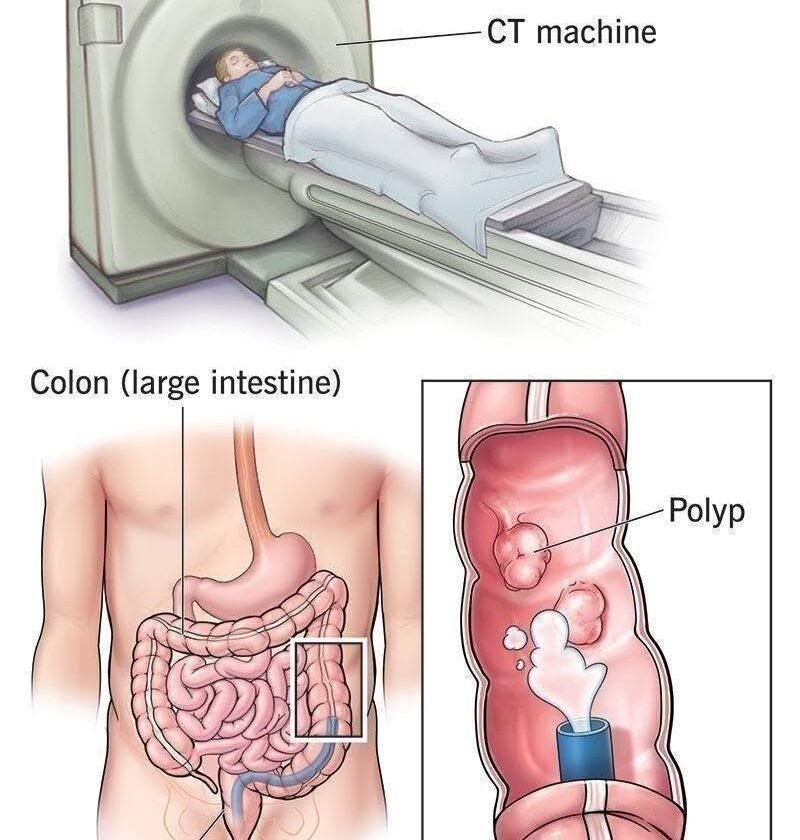
Virtual Colonoscopy (CT Colonography): This uses low-dose computed tomography (CT) scans to generate detailed 3D images of the large intestine. It requires no sedation or internal camera insertion, though a bowel prep is still necessary.
The Catch with Non-Invasive Methods
While these options make screening much easier and more comfortable, they have one major limitation: they are diagnostic, not therapeutic.
If a non-invasive stool test, blood test, or virtual colonoscopy detects an abnormality or potential polyp, you will still need to undergo a traditional, invasive colonoscopy so the doctor can physically remove the tissue or take a biopsy.
Are you looking into non-invasive screening options for routine prevention, or trying to find alternatives due to concerns about the traditional preparation and procedure?