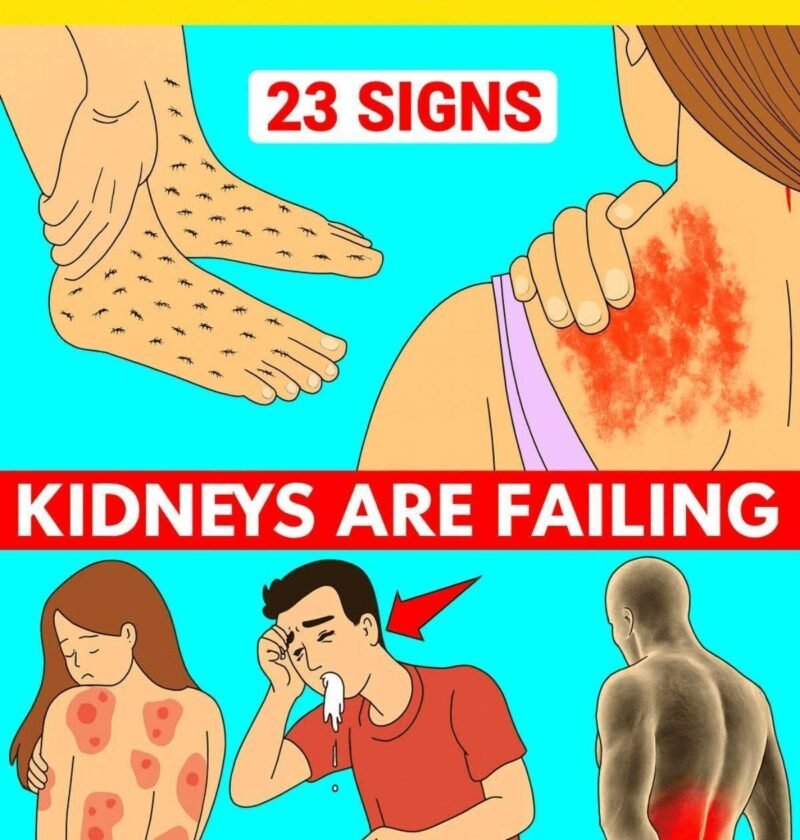
Viral health clickbait warning about “23 strange signs your kidneys might be in trouble” loves to prey on common, everyday symptoms—like feeling tired, puffy eyes after a late night, or dry skin—and tie them to alarming organ failure.
While chronic kidney disease (CKD) is a serious condition that affects millions, it is infamously known in medicine as a “silent disease” because its early stages rarely cause dramatic or strange physical signs. However, when kidneys begin to lose significant filtering function, certain systemic imbalances do manifest physically.
The Medical Reality Behind Kidney Symptoms
Your kidneys act as your body’s master filtration system, cleaning about 200 quarts of blood every day, balancing electrolytes, regulating blood pressure, and producing hormones that support red blood cell production.
When viral lists point to “strange signs,” they are often exaggerating vague discomforts. Truly reliable, medically recognized signs of declining kidney function typically stem from specific physiological breakdowns:
-
Persistent Puffiness Around the Eyes (Periorbital Edema)
-
Why it happens: When kidneys are damaged, they can leak massive amounts of protein into the urine instead of keeping it in the bloodstream. This protein loss lowers the blood’s osmotic pressure, causing fluid to pool in loose tissues—especially the delicate skin around your eyes.
-
-
Swollen Ankles and Feet (Peripheral Edema)
-
Why it happens: Failing kidneys cannot efficiently excrete excess sodium and water. This fluid retention leads to swelling in the lower extremities, particularly feet and ankles.
-
-
Severe, Unrelenting Fatigue
-
Why it happens: Healthy kidneys produce a vital hormone called erythropoietin (EPO), which tells your bone marrow to make red blood cells. When kidneys fail, EPO drops, leading to anemia, reduced oxygen delivery, and profound, crushing exhaustion.
-
-
Foamy or Bubbly Urine
-
Why it happens: Excessive bubbles in the toilet that require flushing multiple times often indicate proteinuria (protein in the urine), resembling scrambled egg foam due to albumin protein spilling through damaged filters.
-
-
Changes in Urination Frequency (Especially at Night)
-
Why it happens: If the kidneys’ filtering units (nephrons) are damaged, you may feel the need to urinate more often—particularly waking up multiple times during the night (nocturia) as the kidneys lose their ability to concentrate urine.
-
-
Dry, Itchy Skin
-
Why it happens: When kidneys can no longer keep the right balance of minerals and nutrients in your blood, a buildup of phosphorus and waste products in the body can cause severe, deep-seated skin itching and mineral-bone imbalances.
-
Why Self-Diagnosing “Strange Signs” Doesn’t Work
Many of the symptoms on viral lists—like fatigue, dry skin, or puffy eyes—are far more commonly caused by everyday factors such as lack of sleep, dehydration, stress, allergies, or aging skin. Relying on an internet checklist to diagnose kidney trouble is unreliable because early kidney disease has virtually no symptoms at all.
How Kidneys Are Actually Monitored
Because early kidney disease is silent, doctors rely on routine blood and urine tests rather than physical symptoms to catch issues early:
-
eGFR (Estimated Glomerular Filtration Rate): A simple blood test that measures how well your kidneys are filtering your blood.
-
Urine Albumin-to-Creatinine Ratio (uACR): A urine test that checks for microscopic amounts of protein leaking into the urine, which is often the very first warning sign of kidney stress.
If you have risk factors like high blood pressure, diabetes, or a family history of kidney disease, routine annual screening with your primary care doctor is far more effective than watching for “strange signs.”