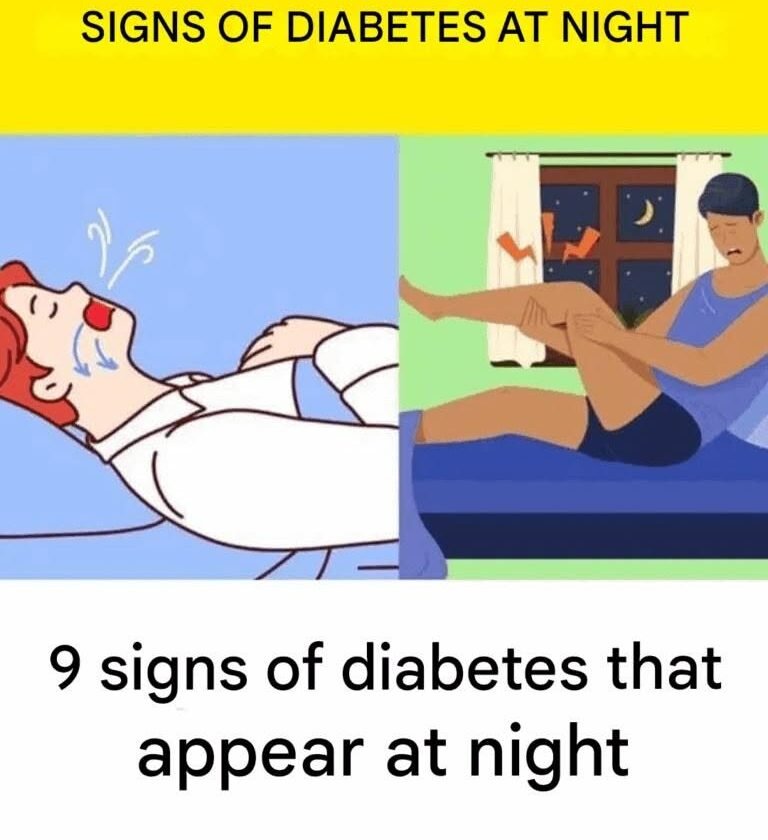
9 Signs of Diabetes That May Be More Noticeable at Night
Diabetes doesn’t necessarily produce symptoms only at night. However, some signs of high or low blood glucose may become particularly noticeable while you’re sleeping or when you wake up. Many people with type 2 diabetes have few or no symptoms, so symptoms alone cannot diagnose diabetes. CDC+1
-
Waking up frequently to urinate — Excess glucose can increase urination, potentially leading to repeated nighttime bathroom trips.
-
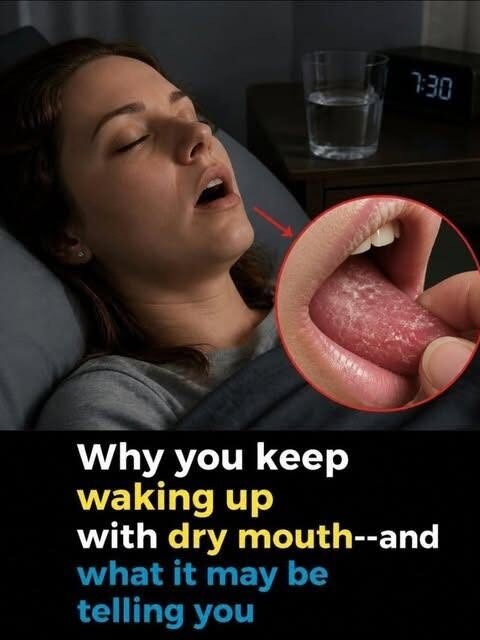
Excessive thirst or a very dry mouth — Increased urination can cause fluid loss and leave you unusually thirsty.
-
Night sweats — In someone taking insulin or certain diabetes medications, sweating during sleep can be a sign of low blood sugar, rather than high blood sugar. NIDDK
-
Nighttime hunger — Unusual hunger can occur with diabetes, although it has many other possible causes.
-
Morning headaches or feeling unusually tired — Blood-glucose fluctuations and disrupted sleep can contribute to these symptoms.
-
Restless or interrupted sleep — Frequent urination, thirst, or episodes of low blood sugar can disturb sleep.
-
Waking shaky, confused, or with a racing heartbeat — These are recognized symptoms of hypoglycemia and are particularly important in people using insulin or certain glucose-lowering medications. NIDDK
-
Blurred vision — Elevated blood glucose can cause blurred vision. Persistent or sudden vision changes should be medically evaluated. CDC+1
-
Tingling, burning, or numbness in the feet — Diabetes-related nerve damage can cause these symptoms, although neuropathy generally develops over time rather than appearing exclusively at night. NIDDK
The important distinction
These symptoms do not prove you have diabetes. Frequent nighttime urination, dry mouth, sweating, and poor sleep can all have other causes.
If you’re experiencing several of these symptoms, ask a healthcare professional about blood-glucose testing and an HbA1c test. Diabetes is diagnosed using blood tests, not symptoms alone. NIDDK
If you have diabetes and develop severe confusion, loss of consciousness, vomiting, difficulty breathing, or fruity-smelling breath, seek urgent medical care because very abnormal glucose levels can become life-threatening. NIDDK+1