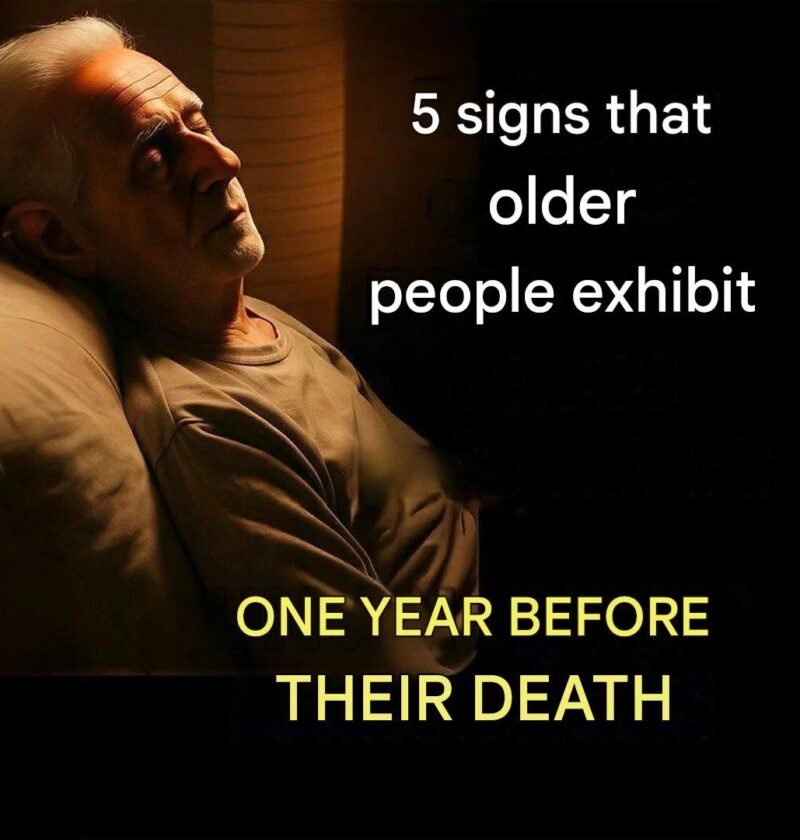
5 Signs an Older Adult May Need More Care and Attention—Don’t Ignore These Changes
Getting older doesn’t automatically mean someone needs daily assistance. But new or noticeable changes in everyday functioning, health, or behavior can be signs that an older adult needs additional support.
1. They Are Struggling With Everyday Tasks
Pay attention if someone who was previously independent begins having difficulty with:
- Preparing meals
- Bathing or dressing
- Keeping the home reasonably safe and organized
- Shopping or managing transportation
- Using the phone or handling routine activities
A change in the ability to perform everyday activities can be an important sign that more support is needed.
2. They Are Falling or Becoming Unsteady
Repeated falls, new difficulty walking, dizziness, or increasing fear of falling shouldn’t simply be dismissed as “part of getting older.”
Falls can result in serious injuries and may also signal problems with balance, strength, vision, medications, or other health conditions.
3. Their Memory or Thinking Has Changed
Occasional forgetfulness can be normal. More concerning changes include repeatedly asking the same questions, getting lost in familiar places, becoming confused about people or time, or having difficulty following familiar instructions.
A noticeable decline should be discussed with a healthcare professional because cognitive changes can have many possible causes.
4. They Are Having Trouble Managing Medications
Missing doses, taking the wrong amount, running out of important medicines, or becoming confused about medication schedules can create serious risks.
Older adults may take multiple medications, making medication management particularly important. A doctor or pharmacist can review the medication list and identify potential problems.
5. Their Eating, Hygiene, or Mood Has Changed
Warning signs can include unexplained weight loss or gain, poor hygiene, inadequate food at home, social withdrawal, persistent low mood, or unusual changes in behavior.
These changes don’t necessarily mean the person needs full-time care, but they are good reasons to check in and find out what’s happening.
❤️ What Should You Do?
Don’t approach the conversation as “You can’t take care of yourself anymore.”
Instead, ask gentle, specific questions:
“I’ve noticed you’ve been having more trouble with meals lately. How can I help?”
Depending on the situation, support might mean help with groceries, transportation, medication organization, household tasks, or arranging a medical evaluation—not necessarily moving into a care facility.
🚨 Don’t Ignore Sudden Changes
A sudden change in confusion, weakness, speech, walking, consciousness, or other major symptoms can indicate an acute medical problem and should be assessed promptly.