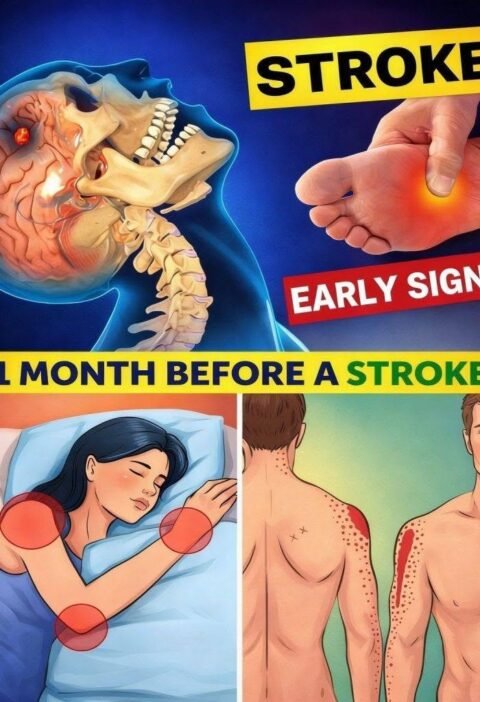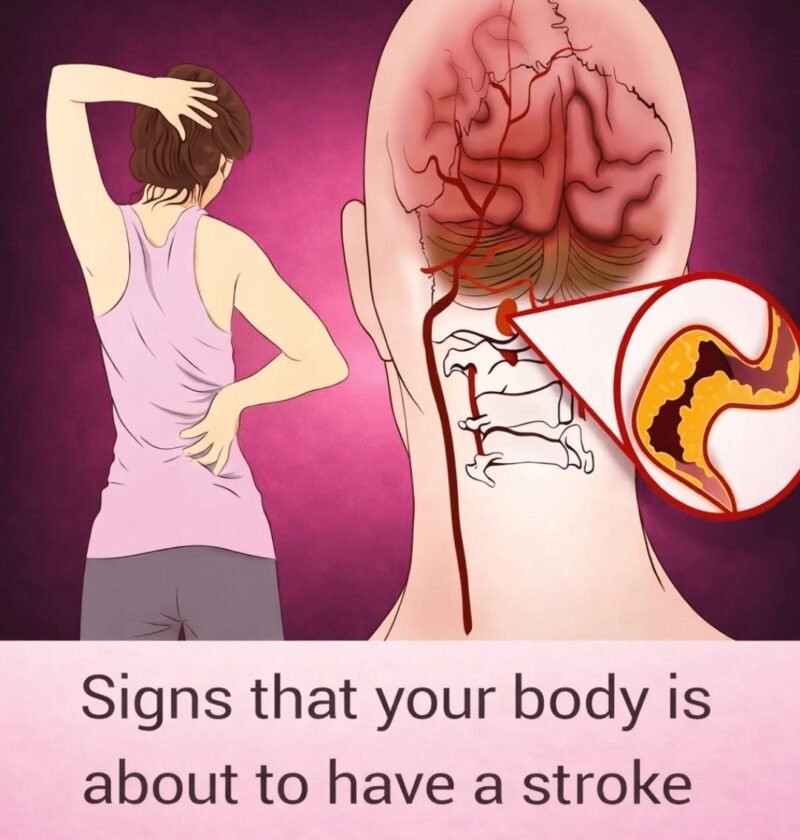
Recognizing the early warning signs of a stroke and acting immediately can save a life and drastically reduce long-term disability. Every minute counts during a stroke, as millions of brain cells begin to die the longer oxygen is cut off.
The gold standard for remembering the most common stroke symptoms is the FAST acronym, expanded here into 10 comprehensive warning signs everyone should recognize:
The FAST Symptoms (The Most Common Signs)
-
1. Face Drooping (F):
-
What it looks like: One side of the face may droop or feel numb. If the person smiles, the smile is uneven or lopsided.
-
-
2. Arm Weakness (A):
-
What it looks like: One arm feels weak or numb. If the person tries to raise both arms, one drifts downward or they cannot lift it at all.
-
-
3. Speech Difficulty (S):
-
What it looks like: Speech may be slurred, the person might sound confused, or they may struggle to find words or understand simple sentences. (Tip: Ask them to repeat a simple sentence like “The sky is blue” to test for clarity.)
-
-
4. Time to Call 911 (T):
-
What it means: If you observe any of these signs—even if they go away—call emergency services immediately. Do not wait to see if the symptoms pass. Note the exact time the symptoms started, as this helps doctors determine the best treatment options.
-
6 Additional Critical Warning Signs
Beyond the classic FAST indicators, strokes can manifest in other sudden, specific ways depending on which part of the brain is affected:
-
5. Sudden Trouble Seeing in One or Both Eyes:
-
What it looks like: A sudden darkening of vision, double vision, blurred vision, or a shadow cutting across your field of view in one or both eyes.
-
-
6. Sudden, Severe Headache with No Known Cause:
-
What it looks like: A blinding, “thunderclap” headache that hits out of nowhere, often accompanied by vomiting, dizziness, or an altered state of consciousness. This is more common in hemorrhagic strokes (bleeding in the brain).
-
-
7. Sudden Trouble Walking, Dizziness, or Loss of Balance:
-
What it looks like: Sudden unsteadiness, a feeling of spinning (vertigo), stumbling, or a total loss of coordination, making it hard to walk straight.
-
-
8. Sudden Numbness or Weakness on One Side of the Body:
-
What it looks like: A sudden lack of feeling or paralysis affecting an entire half of the body (e.g., an entire right arm and right leg feeling “dead” or unresponsive).
-
-
9. Sudden Confusion or Trouble Understanding Speech:
-
What it looks like: The person suddenly seems disoriented, unable to comprehend what is being said to them, or gives nonsensical answers to basic questions.
-
-
10. Sudden Memory Loss or Disorientation:
-
What it looks like: A sudden inability to recognize familiar surroundings, family members, or a sudden blankness regarding recent events.
-
🚨 Crucial Medical Disclaimer: If you suspect someone is having a stroke, do not drive them to the hospital yourself—call emergency services immediately so paramedics can begin life-saving care on the way. Never give them aspirin, food, or water, as swallowing difficulties can cause choking.