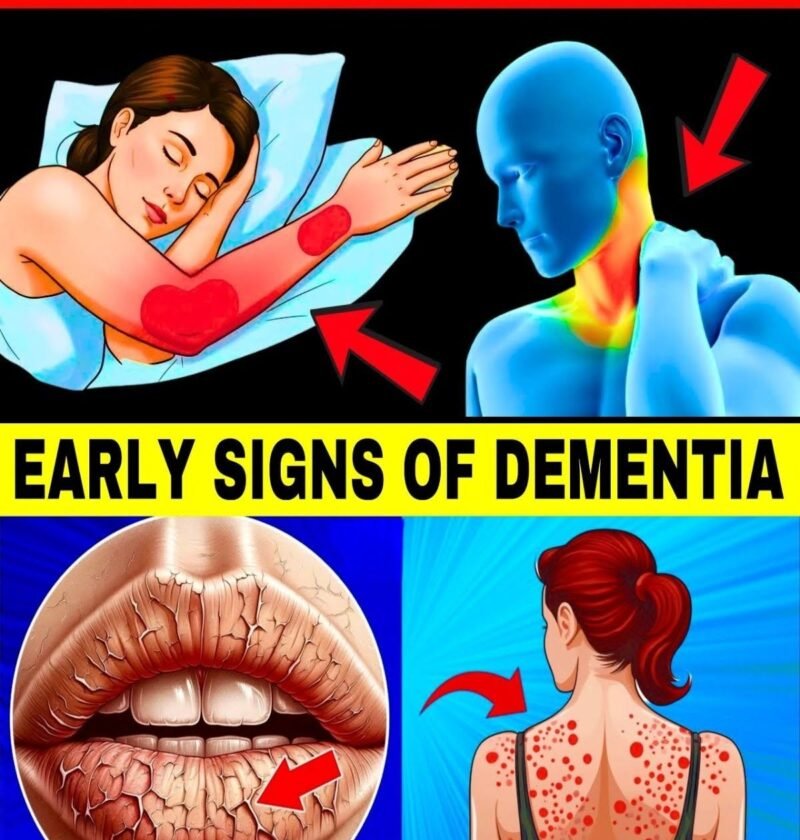
Recognizing the early signs of dementia can be daunting, but noticing subtle changes early on is crucial. It allows individuals and their families to seek proper medical evaluation, rule out reversible causes (like vitamin deficiencies or thyroid issues), and access support and treatments sooner.
Here are 10 early signs of dementia that should never be ignored, going beyond normal age-related forgetfulness:
1. Memory Loss That Disrupts Daily Life
-
The Sign: Forgetting recently learned information, important dates, or events, and repeatedly asking for the same information.
-
Normal Aging vs. Dementia: Occasionally forgetting names or appointments, but remembering them later, is normal. Forgetting things frequently and relying heavily on memory aids or family members for things you used to handle on your own is a red flag.
2. Difficulty Planning or Solving Problems
-
The Sign: Struggling to develop and follow a plan or work with numbers. You might find it hard to follow a familiar recipe, keep track of monthly bills, or concentrate on tasks that used to be easy.
-
Normal Aging vs. Dementia: Making occasional errors when balancing a checkbook is typical; struggling with basic daily problem-solving is not.
3. Trouble Completing Familiar Tasks at Home, Work, or Leisure
-
The Sign: Finding it hard to complete everyday tasks. People with early dementia may struggle to drive to a familiar location, manage a budget at work, or remember the rules of a favorite game.
-
Normal Aging vs. Dementia: Needing occasional help to use a microwave or record a TV show is normal aging.
4. Confusion with Time or Place
-
The Sign: Losing track of dates, seasons, and the passage of time. Individuals may forget where they are or how they got there, or lose track of how much time has passed.
-
Normal Aging vs. Dementia: Temporarily forgetting what day of the week it is (and figuring it out later) happens to everyone.
5. Trouble Understanding Visual Images and Spatial Relationships
-
The Sign: For some people, having vision problems is a sign of dementia. This can lead to difficulty reading, judging distance, and determining color or contrast, causing issues with balance or driving.
-
Normal Aging vs. Dementia: Age-related vision changes like cataracts or presbyopia are common, but spatial disorientation goes beyond simple eyesight.
6. New Problems with Words in Speaking or Writing
-
The Sign: Struggling to follow or join a conversation. Someone might stop midway through a conversation with no idea how to continue, or repeat themselves. They may also struggle with vocabulary, calling things by the wrong name (e.g., calling a “watch” a “hand-clock”).
-
Normal Aging vs. Dementia: Occasionally having trouble finding the right word is a normal part of aging.
7. Misplacing Things and Losing the Ability to Retrace Steps
-
The Sign: Putting things in unusual places—like storing a wallet in the kitchen pantry or keys in the refrigerator. They may accuse others of stealing because they cannot find their items and cannot retrace their steps to find them.
-
Normal Aging vs. Dementia: Misplacing keys or glasses temporarily is normal, but losing things consistently and being unable to logically search for them is different.
8. Decreased or Poor Judgment
-
The Sign: Experiencing changes in judgment or decision-making. For example, a person might show poor judgment when dealing with money, giving large amounts away to telemarketers, or paying less attention to personal grooming and hygiene.
-
Normal Aging vs. Dementia: Making a questionable decision once in a while (like neglecting to change the oil in the car) is normal.
9. Withdrawal from Work or Social Activities
-
The Sign: Pulling away from hobbies, social activities, work projects, or sports. The individual may stop keeping up with a favorite sports team or avoid social gatherings because they find it hard to follow what is happening.
-
Normal Aging vs. Dementia: Sometimes feeling weary of work, family, and social obligations is normal; social withdrawal driven by confusion or frustration is a warning sign.
10. Changes in Mood and Personality
-
The Sign: Becoming easily upset, suspicious, depressed, confused, or anxious. They may get easily upset at home, with friends, or in places where they are out of their comfort zone.
-
Normal Aging vs. Dementia: Developing very specific routines and becoming irritable if that routine is disrupted is a normal part of aging; drastic, uncharacteristic shifts in mood and personality are not.
⚠️ When to See a Doctor:Experiencing one or two of these signs occasionally does not automatically mean someone has dementia. However, if you or a loved one are noticing several of these symptoms consistently interfering with daily life, it is vital to schedule a comprehensive evaluation with a primary care physician, neurologist, or gerontologist.
Are you or someone you care about experiencing any of these changes that you’d like to discuss or find guidance on?