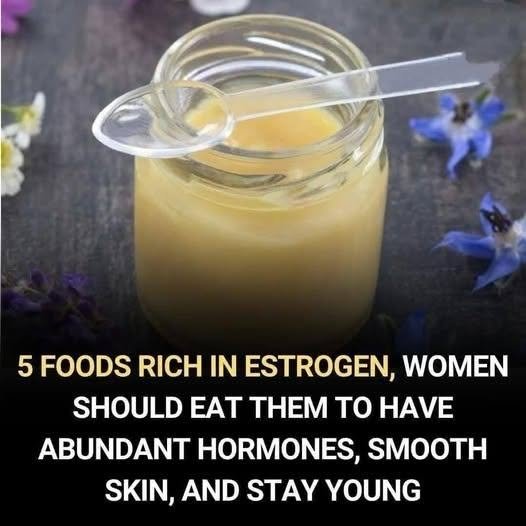
If by “estrogen-rich foods” you mean foods containing phytoestrogens, these are plant compounds that can interact weakly with estrogen receptors. They aren’t the same thing as human estrogen, and eating them doesn’t simply “raise estrogen” in everyone.
5 Foods With Phytoestrogens
- Soybeans and soy foods 🫘
Tofu, tempeh, edamame, and unsweetened soy milk are among the richest dietary sources of isoflavones. - Flaxseeds 🌱
Flax is particularly rich in lignans, a type of phytoestrogen. Ground flaxseed is easier to digest than whole seeds. - Sesame seeds
Sesame contains lignans and can be added to oatmeal, salads, stir-fries, or yogurt. - Chickpeas and other legumes
Beans, lentils, and chickpeas contain various phytoestrogens and also provide fiber, protein, and other nutrients. - Dried fruits 🍑
Prunes, dried apricots, and raisins contain smaller amounts of phytoestrogen compounds and can be included as part of a balanced diet.
A common misconception
Eating these foods doesn’t provide a predictable dose of estrogen like an estrogen medication would. Phytoestrogens can have estrogen-like or anti-estrogen-like effects depending on the compound, tissue, and individual metabolism.
For most people, soy foods and other phytoestrogen-containing foods can be part of a healthy diet. If you’re considering them specifically to manage menopause symptoms, fertility, low estrogen, or another hormone-related condition, it’s better to discuss the goal with a healthcare professional rather than relying on food alone.