The 5 Drinks That May Be Worst for Your Bones
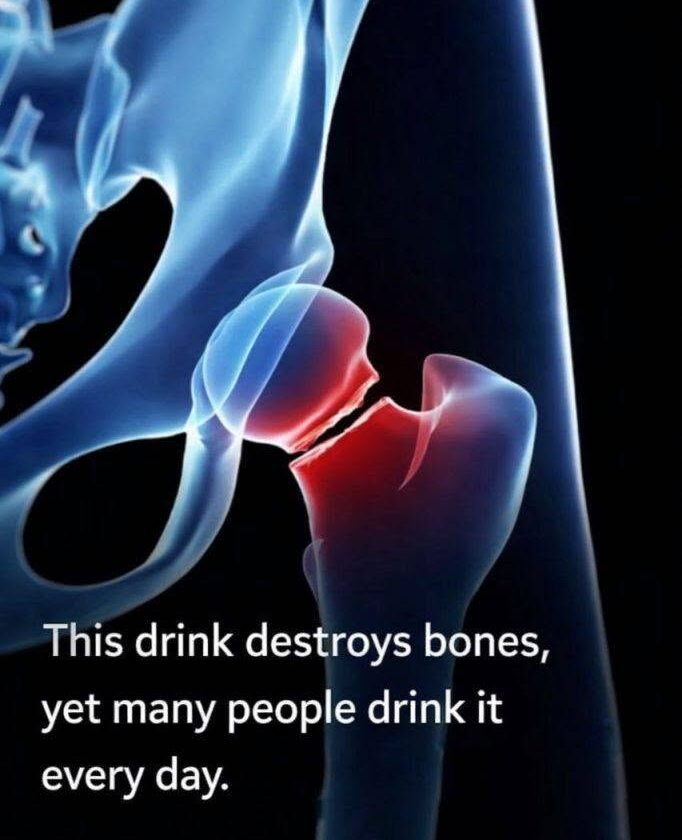
Your bones need adequate calcium, vitamin D, protein, and regular weight-bearing activity. What you drink can matter too—but some viral claims about beverages and “bone loss” are overstated. The strongest concerns are excessive alcohol and frequent sugar-sweetened beverages, while moderate caffeine is generally much less concerning when your calcium intake is adequate.
1. Heavy alcohol consumption
Regularly drinking too much alcohol can interfere with bone formation and calcium and vitamin D metabolism and is associated with a higher risk of osteoporosis and fractures.
2. Sugary soft drinks
Frequent consumption of sugar-sweetened beverages has been associated with lower bone mineral density in adults in observational research. They can also displace more nutritious drinks from the diet.
3. Cola drinks
Cola deserves particular caution because some studies have found an association between regular cola consumption and lower bone mineral density, especially in women. However, this doesn’t prove that cola itself directly causes osteoporosis.
4. Highly caffeinated drinks
Large amounts of caffeine can slightly increase urinary calcium loss. The effect is generally small, and moderate caffeine intake isn’t considered a major bone-health problem when the diet provides enough calcium.
This makes energy drinks and large quantities of highly caffeinated beverages a concern when they’re consumed frequently, particularly if they replace nutritious drinks.
5. Sugary energy or sports drinks
These can combine several concerns—added sugar, substantial caffeine in some products, and relatively little calcium or other bone-supporting nutrition. Frequent consumption may therefore be a poor choice for someone trying to protect bone health. Evidence is stronger for sugar-sweetened beverages generally than for any particular energy-drink brand or formula.
What should you drink instead?
For everyday hydration, water is the simplest choice. Milk or fortified alternatives can provide calcium and, depending on the product, vitamin D. Unsweetened tea can also fit into a bone-friendly diet; recent evidence has actually associated tea consumption with a lower risk of osteoporosis.
Bottom line: You don’t need to fear an occasional soda or cup of coffee. The bigger issue is habitual, high consumption, especially of alcohol and sugar-sweetened beverages, combined with inadequate calcium, vitamin D, and physical activity.