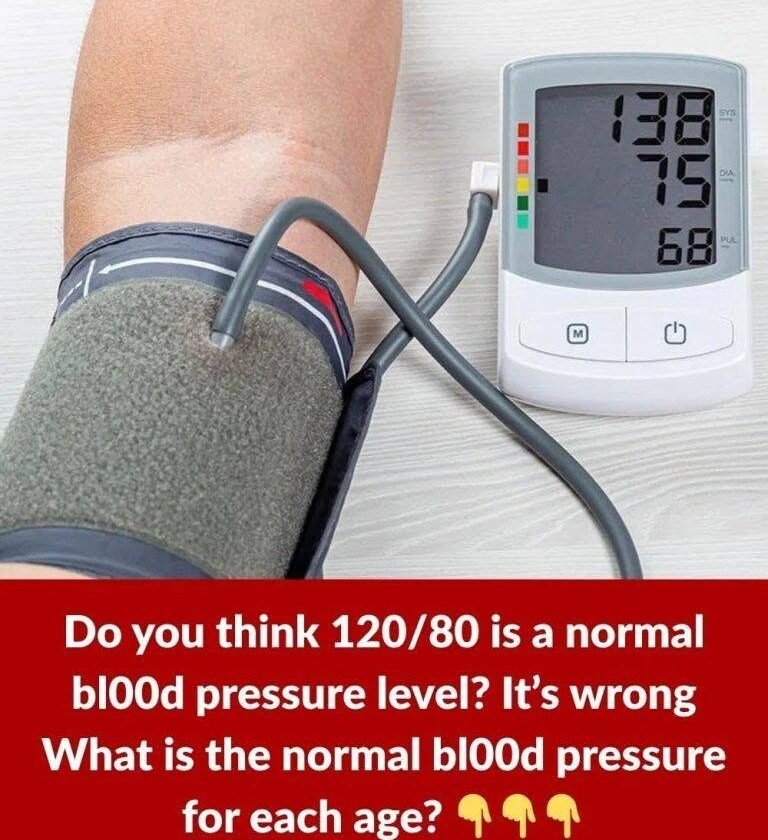
Blood pressure targets vary across different age groups, as our blood vessels naturally stiffen over time, requiring slightly higher normal thresholds for older adults.
The following breakdown outlines normal, elevated, and high blood pressure ranges by age category, based on standard guidelines from organizations like the American Heart Association (AHA):
Normal Blood Pressure Ranges by Age
| Age Category | Systolic (Top Number) | Diastolic (Bottom Number) | Status | |
| Teens (13–19 years) | Less than 120 mmHg | and | Less than 80 mmHg | Normal |
| Young Adults (20–44 years) | Less than 120 mmHg | and | Less than 80 mmHg | Normal |
| Middle-Aged Adults (45–64 years) | Less than 130 mmHg | and | Less than 80–85 mmHg | Normal/Target Range |
| Older Adults (65+ years) | Less than 130–140 mmHg | and | Less than 80–90 mmHg | Target Range |
Key Blood Pressure Classifications
-
Normal: Less than 120 / 80 mmHg.
-
Elevated: 120–129 / less than 80 mmHg. (This is a warning sign that numbers may trend too high without lifestyle adjustments).
-
Hypertension Stage 1: 130–139 / 80–89 mmHg.
-
Hypertension Stage 2: 140 or higher / 90 mmHg or higher.
Keep in mind that a single high reading doesn’t automatically mean you have hypertension, as blood pressure naturally fluctuates throughout the day based on stress, physical activity, caffeine, and even the size of the cuff used. Doctors diagnose high blood pressure based on an average of multiple readings taken across different occasions.