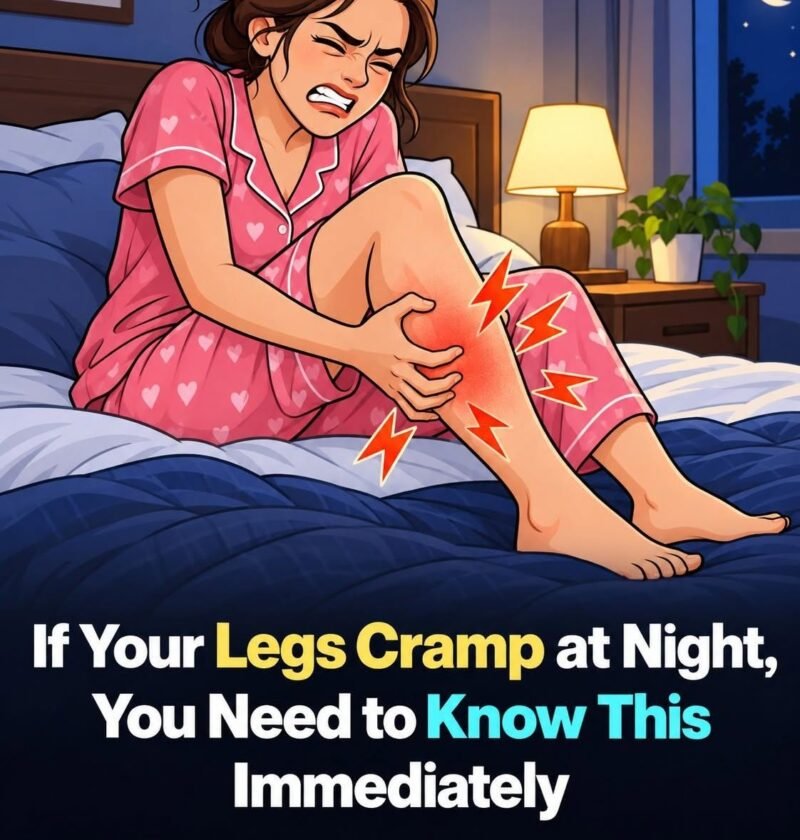
Why Cramps Strike at Night
-
Foot posture in bed: Lying down—especially on your back or stomach—often leaves the ankle in plantar flexion (toes pointed downward), keeping calf muscle fibers in a shortened position where involuntary nerve firing can trigger a spasm. Tight or tucked blankets can push toes downward further.
-
Muscle fatigue and sitting/standing: Heavy exercise, unaccustomed physical work, or long stretches of sitting or standing on hard surfaces can sensitize muscles and nerves later in the day.
-
Age, pregnancy, and fluid/circulatory shifts: Older adults and pregnant people experience nocturnal cramps more often; changes in circulation, fluid balance, and nerve excitability all play roles.
-
Medications and underlying conditions: Certain prescription drugs (such as diuretics, statins, or blood pressure/respiratory medications), peripheral neuropathy, diabetes, thyroid or kidney issues, or venous/arterial circulation problems can occasionally contribute.
What to Do When a Cramp Wakes You Up
-
Stretch the cramping muscle: For a calf cramp, straighten the leg and gently pull your toes and foot upward toward your shin (or stand and press your heel firmly into the floor).
-
Move and massage: Gently massaging the tight muscle and taking a few slow steps or standing once the acute spasm eases can help release residual tension.
-
Use warmth or cool comfort: A warm shower, warm compress, or heating pad can help relax tight muscle fibers, while a cool cloth may soothe lingering soreness afterward.
Prevention and What the Evidence Shows
-
Stretching and movement: Daily or pre-bed calf and hamstring stretches show mixed results across clinical trials—some trials in older adults suggest modest reductions in cramp severity or frequency, while sham-controlled studies have had mixed findings—yet gentle stretching remains low-risk and worth a trial.
-
Sleep setup and daytime hydration: Keep blankets loose around your feet, stay reasonably hydrated during the day, and avoid heavy late-evening alcohol or caffeine.
-
Supplements and medications: Routine magnesium, calcium, or vitamin supplements generally show little consistent benefit in non-pregnant adults (though magnesium has mixed/modest evidence in pregnancy). Quinine is not recommended for routine leg cramps because serious risks—including dangerous drops in blood platelets, heart rhythm changes (QT prolongation), and severe allergic or kidney reactions—outweigh its modest cramp reduction.