What to Do If You Suddenly See Eye Floaters
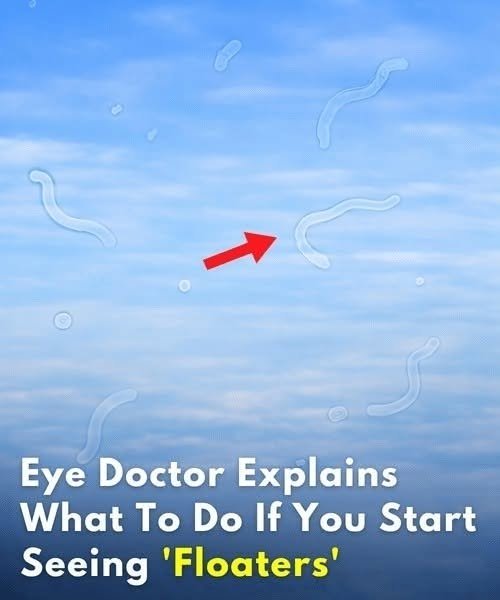
Eye floaters—dots, threads, cobwebs, or squiggly lines drifting across your vision—are common and are often caused by normal changes in the eye’s vitreous gel, particularly with aging. They can become less noticeable over time. nhs.uk+1
But a sudden change should not be ignored. New floaters can sometimes occur when the vitreous pulls on the retina, causing a retinal tear or, in some cases, retinal detachment. AAO+1
🚨 Get urgent eye care if you notice:
-
A sudden shower or large increase in floaters
-
New flashes of light, especially repeated flashes
-
A dark curtain, veil, or shadow moving across your vision
-
Sudden blurred or reduced vision
-
Floaters or flashes following an eye injury or eye surgery
These symptoms can signal a retinal tear or detachment, which can threaten vision if treatment is delayed. nhs.uk+1
What should you do?
If the floaters are new or suddenly increased, arrange an urgent dilated eye examination rather than assuming they’re harmless. An ophthalmologist can examine the retina for a tear or detachment. Moorfields Eye Hospital+1
If you’ve had the same one or two floaters for a long time, they’re not increasing, and your vision is unaffected, they’re generally less concerning. Treatment usually isn’t necessary unless floaters become persistently disruptive to vision. nhs.uk+1
Important: A retinal detachment can be painless. Don’t wait for eye pain before seeking care if you develop the warning signs above. Moorfields Eye Hospital
If you tell me your age, whether the floaters appeared suddenly, whether you see flashes, and whether it’s one eye or both, I can help you understand how urgently you should get examined.