When it comes to blood pressure, there is an important clinical distinction between what is considered healthy and optimal and what is merely average for a given age.
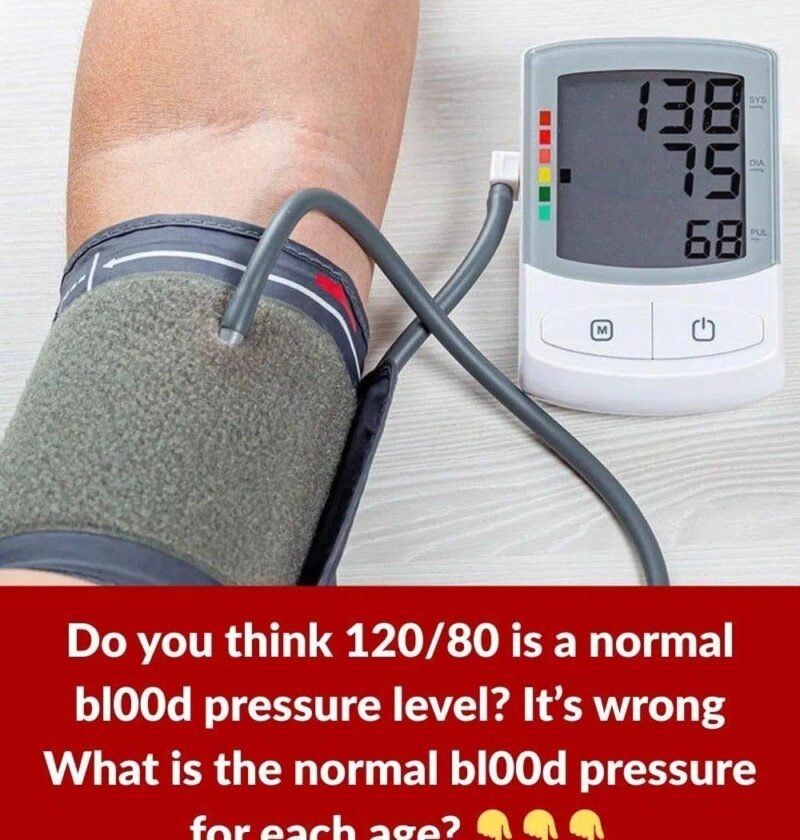
According to major cardiovascular guidelines (such as the American Heart Association), the ideal target for a healthy adult—regardless of whether you are 20 or 80—is less than 120/80 mm Hg.
However, because blood vessels naturally lose elasticity and stiffen over time, average population readings tend to creep upward as people age.
Standard Adult Blood Pressure Categories (Ages 18+)
For all healthy adults, clinical readings fall into five main categories:
-
Normal: Less than 120 / 80 mm Hg
-
Elevated: Systolic between 120–129 and Diastolic less than 80
-
Hypertension Stage 1: Systolic 130–139 or Diastolic 80–89
-
Hypertension Stage 2: Systolic 140 or higher or Diastolic 90 or higher
-
Hypertensive Crisis: Higher than 180 / 120 (requires immediate emergency medical attention)
Average Blood Pressure by Age Group
While the clinical goal remains below 120/80, population averages drift upward across different decades due to normal physiological aging:
-
Ages 18–39: Average readings hover around 110–120 / 68–78 mm Hg. Younger adults typically experience the lowest resting readings of their lifetime, though lifestyle factors, stress, and genetics can cause early elevations.
-
Ages 40–59: Average readings shift closer to 120–130 / 74–82 mm Hg. During middle age, the top number (systolic pressure) often begins its steady climb as arterial walls become less flexible.
-
Ages 60 and Older: Average readings frequently range around 130–140 / 70–80 mm Hg. While a reading in the 130s is common for older adults, cardiologists stress that “common” does not mean “optimal.” Consistently reading 130/80 or higher still meets the criteria for stage 1 hypertension, though physicians often individualize treatment targets for older seniors to balance cardiovascular health against fall risks and other medications.
What About Children and Teens?
For minors under 18, “normal” blood pressure cannot be defined by a single fixed number. Instead, pediatric guidelines evaluate blood pressure based on a child’s age, height, and gender percentiles, which are calculated using specialized medical growth charts during a visit to the pediatrician.
A Quick Tip for Tracking BP: Blood pressure fluctuates naturally throughout the day based on caffeine, physical activity, stress, and posture. If you are checking your numbers at home, sit quietly with your back supported and your feet flat on the floor for 5 minutes before taking a measurement.
Are you looking up these numbers out of general curiosity, or did you recently get a reading that you’d like to understand better?