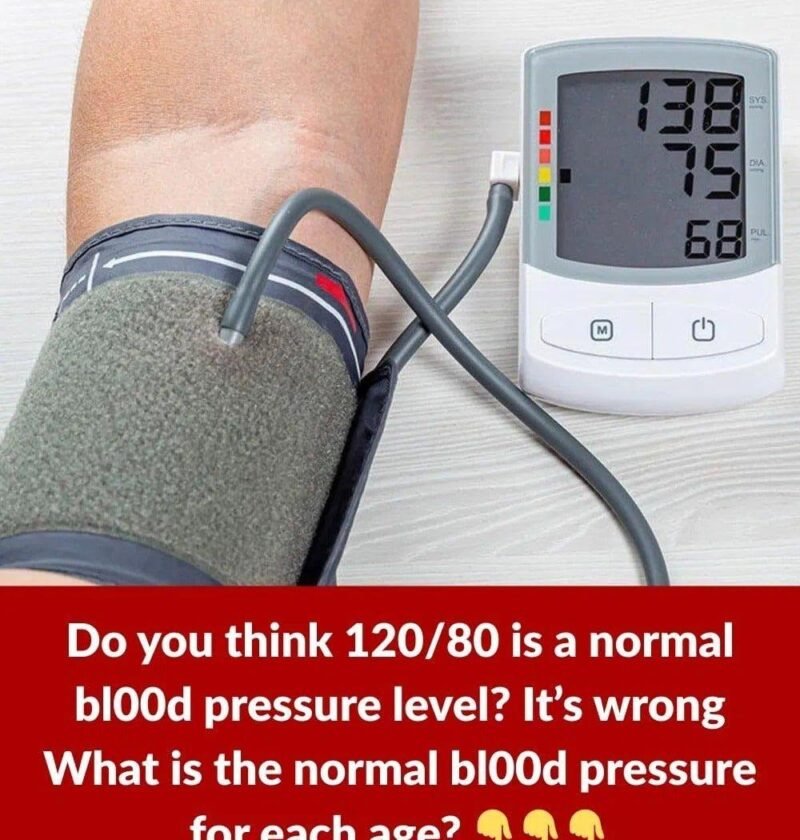
Blood pressure targets change as we age because blood vessels naturally stiffen over time, which can cause systolic pressure (the top number) to rise. However, “normal” blood pressure remains generally consistent for healthy adults, while older adults may have slightly adjusted guidelines depending on their overall health.
Here is a breakdown of normal and target blood pressure ranges across different age groups, based on guidelines from the American Heart Association (AHA) and the American College of Cardiology (ACC).
1. Blood Pressure Categories (Standard Adult Guidelines)
Before looking at age, it helps to know the universal classification for blood pressure readings (measured in millimeters of mercury, or mmHg):
-
Normal: Less than 120 / 80 mmHg
-
Elevated: 120–129 / Less than 80 mmHg
-
Stage 1 Hypertension: 130–139 / 80–89 mmHg
-
Stage 2 Hypertension: 140 or higher / 90 or higher mmHg
-
Hypertensive Crisis: Higher than 180 / Higher than 120 mmHg (Seek immediate emergency care)
2. Blood Pressure Ranges by Age Group
Children and Teens (Ages 1 to 17)
-
How it’s measured: Unlike adults, normal blood pressure for children is not a single flat number. It is based on percentiles determined by the child’s age, sex, and height.
-
Target: Generally, a reading below the 90th percentile for their specific height and age is considered normal. Pediatricians use specialized charts to evaluate these numbers.
Young Adults (Ages 18 to 39)
-
Normal Target: Less than 120 / 80 mmHg
-
Context: At this stage, maintaining a normal reading is crucial for long-term vascular health. Lifestyle habits—such as diet, exercise, stress levels, and limiting sodium—play the biggest role in keeping numbers in check.
Middle-Aged Adults (Ages 40 to 59)
-
Normal Target: Less than 120 / 80 mmHg (though readings up to 129/80 are often monitored closely rather than treated immediately).
-
Context: Blood vessel elasticity begins to decrease during these decades, making systolic hypertension (a high top number with a normal bottom number) more common. Regular yearly check-ups are essential.
Older Adults (Ages 60 and Older)
-
Target: For most healthy older adults, a target of less than 130/80 mmHg is recommended by modern clinical guidelines.
-
Context: Doctors often individualize targets for patients over 60 or 65. If a patient experiences dizziness, fainting, or falls when taking blood pressure medication, a physician might allow a slightly higher threshold (e.g., up to 140/90 mmHg) to ensure adequate blood flow to the brain and prevent orthostatic hypotension (sudden blood pressure drops when standing up).
Important Note on Readings:A single high reading does not mean you have high blood pressure; everyone’s blood pressure fluctuates throughout the day based on physical activity, stress, caffeine, and posture. A diagnosis of high blood pressure is typically made only after averaging multiple readings taken on separate occasions.
Are you looking at a specific set of blood pressure readings for yourself or a family member, or trying to manage your heart health?