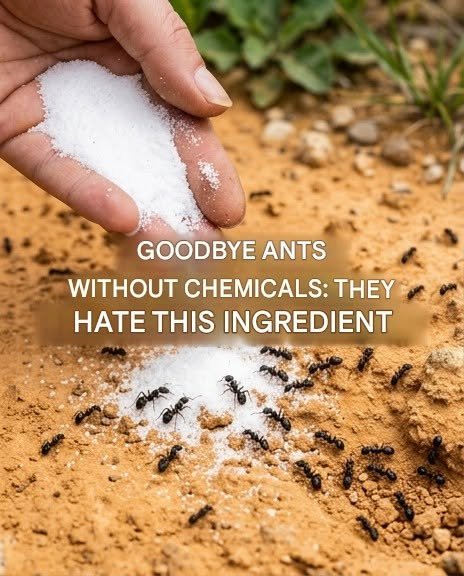
Sensationalized DIY pest control headlines promising that a single household ingredient will keep ants away “for good” are classic clickbait. While certain natural substances can temporarily deter ants or disrupt their scent trails, no single household trick provides a permanent, magic solution to an ant infestation.
To understand why “quick fixes” rarely last forever, it helps to look at how ants actually operate—and which common household items actually work as effective, short-term deterrents.
Why “For Good” Is a Myth
Ants operate as a colony with a central queen. When you see a few ants marching across your kitchen counter, they are simply worker scouts following a chemical scent trail (pheromone trail) left behind to guide others to a food source.
Wiping away a trail or using a strong-smelling deterrent might push them away from one specific spot, but it doesn’t eliminate the colony or the queen hidden outside or inside your walls. Until the source is addressed, they will usually just find a new entry point.
Common Household Repellents (What Actually Works Temporarily)
While they won’t solve an infestation permanently, certain kitchen items can effectively disrupt ant trails and keep them out of specific areas:
-
White Vinegar: Ants hate the smell of vinegar, and wiping down your countertops with a 50/50 water and vinegar solution instantly erases their chemical scent trails, causing them to scatter and lose direction.
-
Essential Oils (Peppermint, Tea Tree, or Lemon): Ants rely heavily on scent. Mixing a few drops of peppermint oil with water in a spray bottle and misting entry points creates a strong olfactory barrier that they prefer to avoid.
-
Diatomaceous Earth (Food Grade): A natural powder made of fossilized algae. When ants walk across it, the powder absorbs the waxy outer layer of their exoskeletons, dehydrating them. It’s great for placing along baseboards or cracks (just keep it dry and away from pets’ breathing zones).
-
Boric Acid and Sugar Baits: If you want to actually tackle the colony rather than just repel them, mixing borax (boric acid) with a sweet syrup or peanut butter acts as a slow-acting bait. Worker ants take the sweet poison back to feed the queen and larvae, wiping out the source.
Stopping Them Long-Term
If you want to keep ants from coming back, prevention is much more effective than temporary deterrents:
-
Seal Entry Points: Caulk cracks around windows, doors, and baseboards.
-
Deprive Them of Food: Wipe up crumbs immediately, store sugar and cereal in airtight glass or plastic containers, and don’t leave pet food out overnight.
-
Manage Moisture: Fix leaky pipes or standing water sources, as ants are frequently drawn indoors looking for water during dry or hot spells.
Have you been dealing with an influx of ants in a specific part of your home, like the kitchen or bathroom?