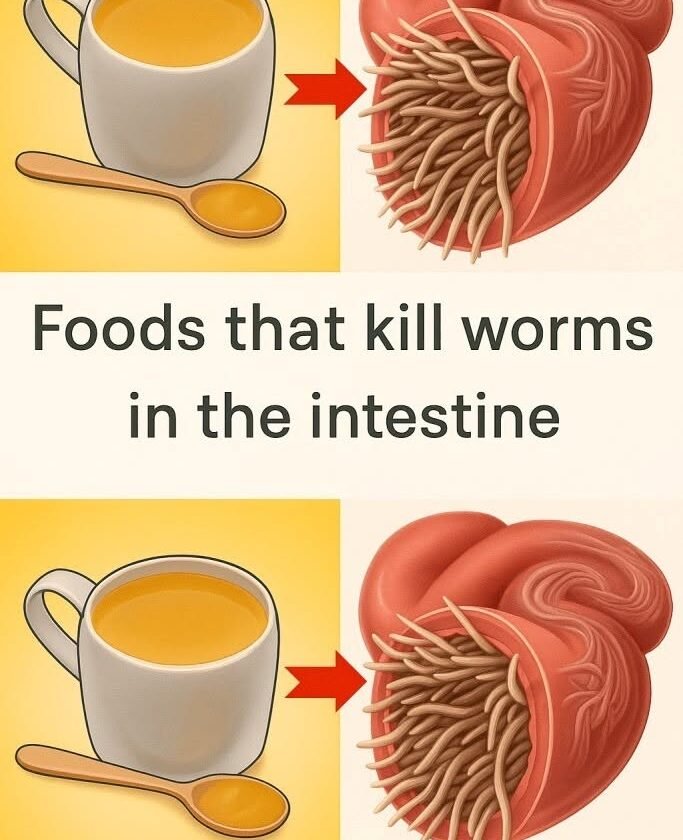
If you mean foods that can help prevent or support gut health during an intestinal worm infection, there’s an important distinction: no food has been proven to reliably kill intestinal worms in humans. Confirmed worm infections are treated with specific antiparasitic medicines, depending on the type of worm. CDC+1
7 foods worth including
-
Garlic — nutritious and contains compounds with antiparasitic activity in laboratory studies, but eating garlic alone is not a proven treatment.
-
Pumpkin seeds — provide protein, magnesium and other nutrients; traditional remedies use them against intestinal parasites, but evidence for curing human infections is limited.
-
Papaya — contains enzymes and other compounds being studied for antiparasitic effects; it shouldn’t replace treatment.
-
Carrots — a good source of fiber and nutrients that support normal digestion.
-
Yogurt with live cultures — can support the gut microbiome, although it does not eliminate worms.
-
High-fiber fruits and vegetables — useful for general digestive health and regular bowel movements.
-
Adequately cooked foods and washed produce — particularly important because contaminated food and water can transmit intestinal parasites. CDC+1
If you actually suspect worms, symptoms such as seeing worms/segments in stool, persistent abdominal pain, unexplained weight loss, prolonged diarrhea, or significant itching around the anus warrant medical evaluation. A stool test may identify certain infections, and treatments such as albendazole, mebendazole, ivermectin, pyrantel, or praziquantel are used depending on the parasite. CDC+1
If you’d like, I can also give you a 7-day food plan for intestinal worms , including what to eat and what foods to avoid.