What Is the Normal Blood Pressure for Each Age?
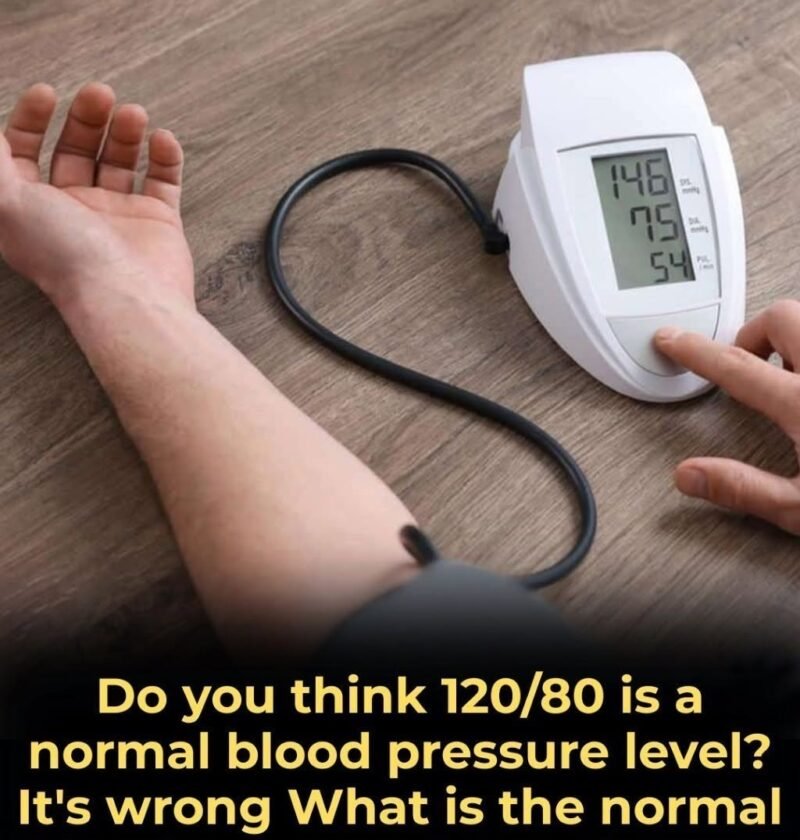
Blood pressure doesn’t have one exact “normal” number for every age. In adults, the same general blood-pressure categories are used regardless of age, although treatment goals may be individualized based on overall health.
Adults
| Blood pressure | Systolic (top) | Diastolic (bottom) |
|---|---|---|
| Normal | Less than 120 | and less than 80 |
| Elevated | 120–129 | and less than 80 |
| High – Stage 1 | 130–139 | or 80–89 |
| High – Stage 2 | 140 or higher | or 90 or higher |
| Very high | Higher than 180 | and/or higher than 120 |
A single high reading doesn’t necessarily mean you have hypertension. Blood pressure can temporarily rise because of stress, pain, caffeine, exercise, or illness. Repeated measurements taken correctly are much more useful.
What about older adults?
It’s a common misconception that 140/90 or 150/90 is automatically normal because someone is elderly. Older adults can develop hypertension just like younger adults, and their individual treatment target should be determined with a healthcare professional.
When is blood pressure an emergency?
If your blood pressure is 180/120 mmHg or higher, rest quietly and repeat the measurement after a few minutes. If it remains that high, contact a healthcare professional promptly. If it is that high and you have chest pain, severe shortness of breath, weakness or numbness, vision changes, severe headache, confusion, or difficulty speaking, seek emergency medical care immediately.
For children and teenagers, blood-pressure interpretation is different and depends on age, sex, and height, rather than using the adult ranges above.