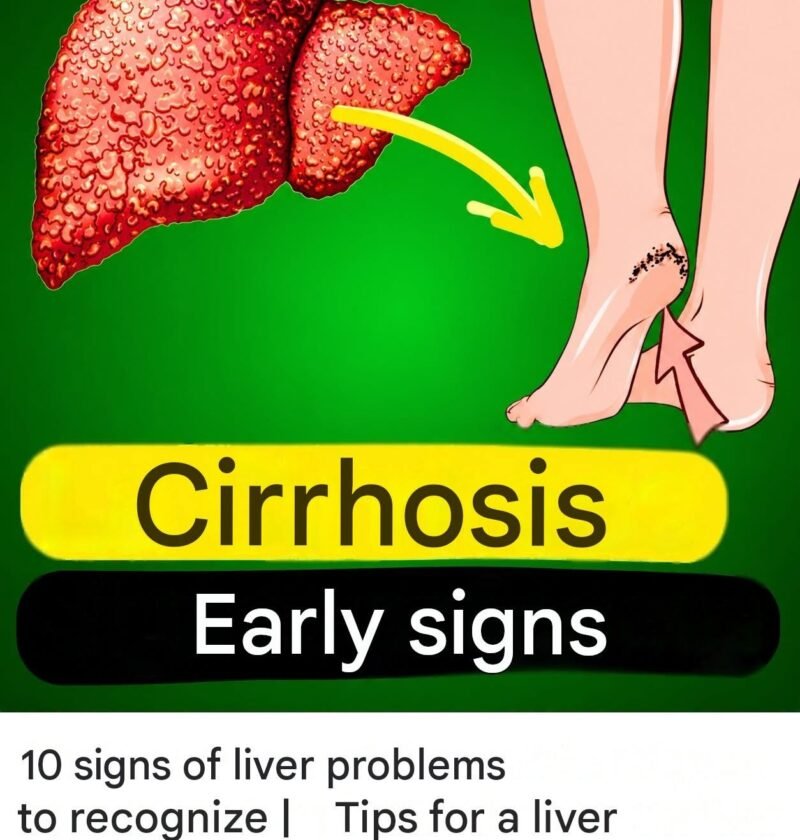
Recognizing early signs of liver distress is crucial, as the liver is a remarkably resilient organ that can often function even when damaged, meaning symptoms might not appear until the issue has progressed.
10 Common Signs of Liver Problems
-
1. Yellowing of the Skin and Eyes (Jaundice)
-
Why it happens: A buildup of bilirubin, a yellow pigment produced by the breakdown of red blood cells that a damaged liver fails to process and clear.
-
-
2. Abdominal Pain and Swelling
-
Why it happens: Inflammation or scarring (cirrhosis) can cause pain in the upper right abdomen. Fluid buildup in the abdominal cavity (ascites) can also lead to noticeable swelling and discomfort.
-
-
3. Chronic Fatigue and Weakness
-
Why it happens: Persistent exhaustion that does not improve with rest is one of the most common early indicators, often tied to altered energy metabolism and toxin buildup.
-
-
4. Dark Urine
-
Why it happens: Excess bilirubin overflows into the kidneys and is excreted through urine, turning it a deep amber, brown, or cola color.
-
-
5. Pale, Clay-Colored, or Bloody Stools
-
Why it happens: A lack of normal bile reaching the intestines can cause stools to become very light, gray, or clay-colored. Stools may also appear dark or black if there is gastrointestinal bleeding.
-
-
6. Swelling in the Legs and Ankles (Edema)
-
Why it happens: Reduced production of essential blood proteins (like albumin) by the liver can cause fluid to leak into surrounding tissues due to gravity and circulation changes.
-
-
7. Itchy Skin (Pruritus)
-
Why it happens: The accumulation of bile salts under the skin, often caused by restricted bile flow (cholestasis), leads to persistent and generalized itching.
-
-
8. Easy Bruising and Bleeding
-
Why it happens: The liver produces proteins necessary for blood clotting. When liver function declines, you may notice you bruise easily or bleed longer from minor cuts.
-
-
9. Nausea, Vomiting, and Loss of Appetite
-
Why it happens: Impaired digestion and the accumulation of toxins in the bloodstream can severely diminish appetite and cause frequent digestive upset.
-
-
10. Confusion, Memory Loss, or Sleep Disturbances
-
Why it happens: Advanced liver issues can allow toxins (like ammonia) to reach the brain, leading to a condition called hepatic encephalopathy, which affects cognitive function, concentration, and sleep cycles.
-
Tips for Maintaining a Healthy Liver
Your liver performs over 500 vital functions, including filtering toxins, regulating metabolism, and storing nutrients. You can protect and support its health with these daily habits:
-
Maintain a Balanced Diet: Focus on fiber-rich foods, whole grains, lean proteins, and plenty of colorful fruits and vegetables. Minimize heavily processed foods, saturated fats, and refined sugars, which contribute to fatty liver disease.
-
Limit Alcohol Consumption: Excessive alcohol is a leading cause of liver damage. If you drink, do so in moderation (or avoid it entirely to give your liver a break).
-
Manage Body Weight: Obesity significantly increases the risk of non-alcoholic fatty liver disease (NAFLD). Regular physical activity and healthy eating help keep weight within a safe range.
-
Hydrate Well: Drinking plenty of water helps flush out toxins and supports optimal kidney and liver filtration.
-
Use Medications Carefully: Avoid mixing alcohol with medications like acetaminophen (Tylenol), and consult your doctor before combining multiple over-the-counter drugs or herbal supplements, as many are metabolized by the liver.
-
Get Vaccinated: Protect yourself against viral hepatitis by getting vaccinated for Hepatitis A and Hepatitis B.
-
Practice Safe Habits: Avoid sharing needles, personal hygiene items (like razors or toothbrushes), and practice safe sex to minimize the risk of contracting blood-borne hepatitis infections.
When to see a doctor: If you experience persistent or severe symptoms—especially yellowing of the skin or eyes, severe abdominal pain, or unexplained swelling—consult a healthcare professional or a gastroenterologist for proper diagnostic testing, such as blood liver function tests (LFTs) or imaging.
Would you like some specific dietary recommendations or recipes that are known to support liver health?