8 “warning signs” before a stroke — an important correction
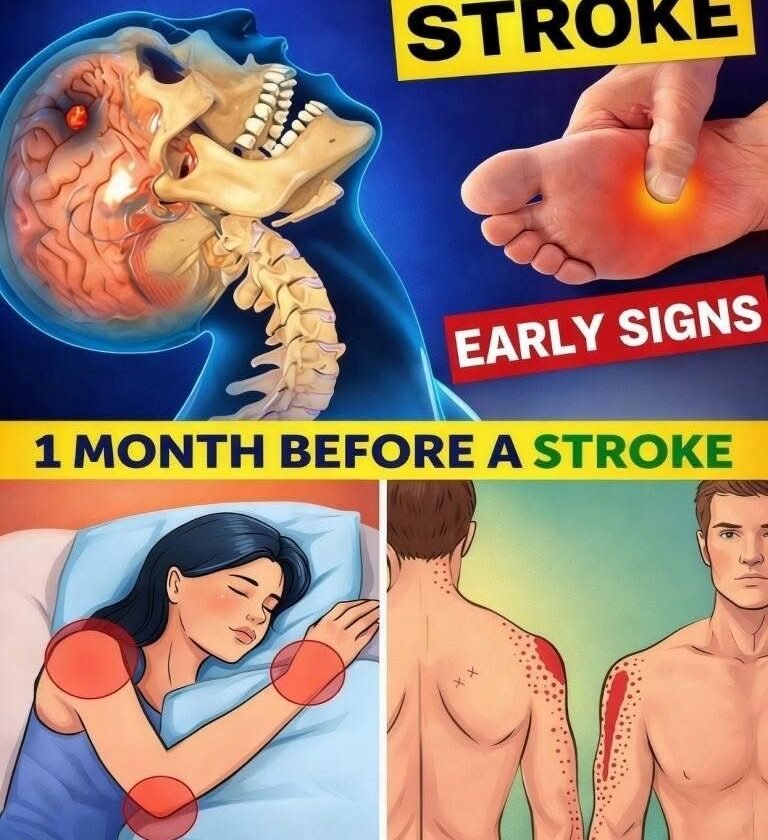
The claim that there are 8 predictable symptoms that appear one month before a stroke isn’t supported by medical evidence. A stroke usually causes sudden neurological symptoms. However, a TIA (transient ischemic attack) can produce the same symptoms temporarily and can be an important warning that a stroke may follow. CDC+1
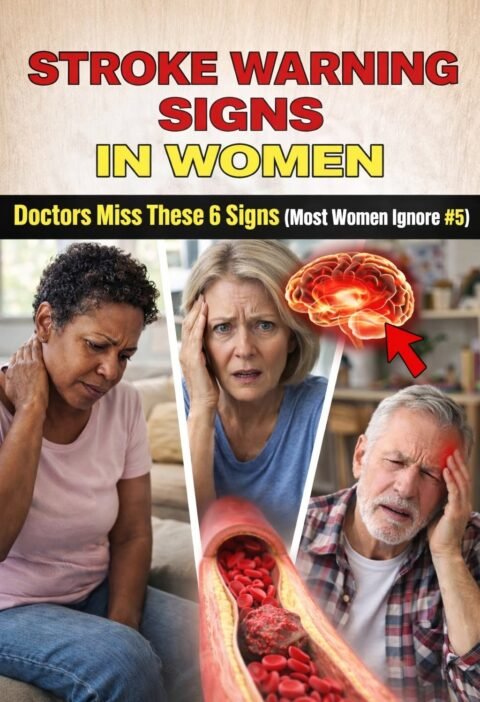
Watch for sudden:
-
Face drooping or facial numbness
-
Weakness or numbness of an arm
-
Weakness or numbness of a leg, particularly on one side
-
Slurred speech or difficulty speaking
-
Difficulty understanding speech
-
Sudden vision changes
-
Sudden dizziness, loss of balance, or trouble walking
-
A sudden, severe headache with no known cause CDC+1
🚨 Don’t wait for symptoms to last
If these symptoms occur—even if they disappear after a few minutes—treat them as an emergency. You cannot reliably tell at home whether it’s a TIA or a completed stroke. CDC+1
Remember B.E. F.A.S.T.:
-
B — Balance: sudden loss of balance
-
E — Eyes: sudden vision changes
-
F — Face: facial drooping
-
A — Arm: sudden weakness/numbness
-
S — Speech: speech difficulty
-
T — Time: call emergency services immediately
9 ways to reduce stroke risk
Many strokes can be prevented by addressing modifiable risk factors. CDC+1
-
Control high blood pressure — one of the most important modifiable risk factors.
-
Manage cholesterol with diet, activity, and prescribed medication when appropriate.
-
Keep diabetes under control.
-
Don’t smoke or use tobacco.
-
Exercise regularly—for many adults, about 150 minutes of moderate activity per week is a commonly recommended target.
-
Eat a heart-healthy diet, emphasizing vegetables, fruits, whole grains, legumes, and limiting excess sodium and saturated/trans fats.
-
Maintain a healthy weight when possible.
-
Limit alcohol and avoid binge drinking.
-
Treat conditions such as atrial fibrillation and sleep apnea according to medical advice. CDC+1
If stroke-like symptoms are happening now, don’t wait to see whether they improve—seek emergency medical care immediately.