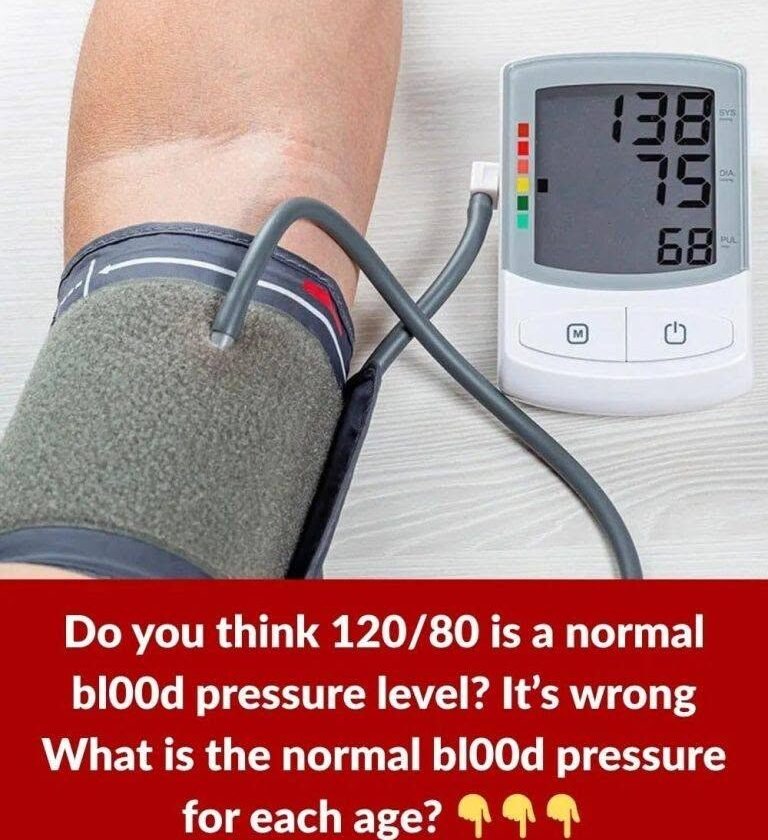
What Is the Normal Blood Pressure for Each Age?
There is no single “normal” blood pressure number for each age. Blood pressure goals depend on overall health, medical conditions, medications, and personal risk factors. Age alone does not determine what is healthy.
For most adults:
- Normal: Less than 120/80 mmHg
- Elevated: 120–129 / less than 80 mmHg
- High blood pressure (hypertension): Usually 130/80 mmHg or higher when readings are consistently elevated
Approximate Blood Pressure Ranges by Age
| Age Group | Typical Healthy Range (Approximate) |
|---|---|
| Children | Varies by age, height, and sex |
| Teenagers (13–19) | About 110–120 / 65–80 mmHg |
| Adults (20–39) | About 110–130 / 70–85 mmHg |
| Adults (40–59) | About 120–135 / 70–85 mmHg |
| Adults (60+) | Often around 120–140 / 70–90 mmHg, depending on health status |
Blood Pressure in Older Adults
Blood pressure may rise with age because blood vessels can become less flexible. However, high blood pressure is not simply a normal part of aging and should be monitored because it increases the risk of:
- Stroke
- Heart disease
- Kidney problems
- Vision complications
Many older adults have individualized blood pressure targets based on their health, medications, and risk of falls or other conditions.
When Blood Pressure Needs Attention
Seek medical advice if readings are repeatedly:
- 130/80 mmHg or above
- 140/90 mmHg or above (a commonly used threshold in some settings)
Seek urgent medical care for readings around:
- 180/120 mmHg or higher, especially with symptoms such as chest pain, shortness of breath, severe headache, confusion, weakness, or vision changes.