12 Habits in Older Age That Others May Notice — But May Not Mention
Aging brings many changes, and some habits that develop over time can affect how others experience our presence. These are not “bad” traits or reasons to feel embarrassed—many are common, manageable, and often related to health, comfort, or changing routines.
1. Neglecting Personal Hygiene
Sometimes reduced mobility, fatigue, memory changes, or difficulty with daily tasks can make grooming harder. Regular bathing, dental care, clean clothing, and simple routines can make a big difference.
2. Wearing Strong Perfumes or Covering Odors Excessively
Some older adults use heavy fragrances to hide natural body odors. Strong scents can bother others, especially in enclosed spaces. Gentle hygiene and fresh clothing are usually more effective.
3. Repeating the Same Stories Frequently
Memory changes can make people repeat conversations without realizing it. Others may notice, but patience and understanding help maintain connection.
4. Interrupting or Not Listening
Hearing difficulties, loneliness, or a desire to share experiences can sometimes lead to talking over others. Practicing active listening can improve conversations.
5. Complaining Constantly
Pain, health concerns, or frustration can make negative conversations more frequent. Balancing concerns with positive topics can improve social interactions.
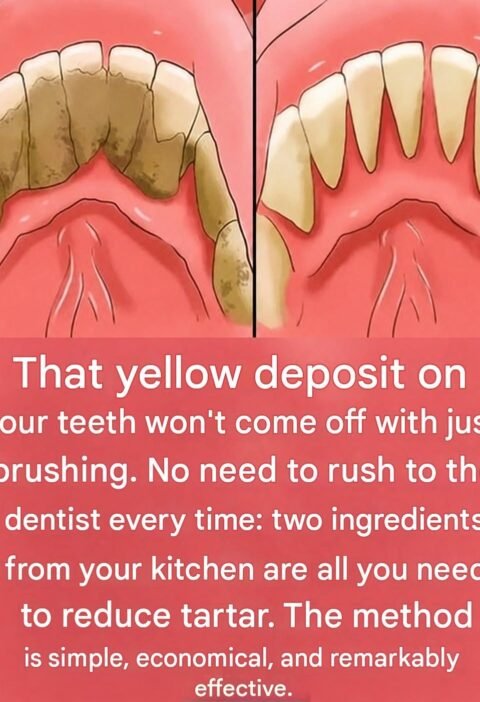
6. Ignoring Oral Health
Dental problems, dentures that need adjustment, or dry mouth can affect comfort, breath, and confidence. Regular dental visits remain important at every age.
7. Wearing Unclean or Worn-Out Clothes
Comfort matters, but clean, well-fitting clothes can help people feel more confident and comfortable around others.
8. Being Resistant to New Technology
Avoiding all new tools can sometimes create isolation. Learning basic technology skills can help with communication, healthcare, and daily tasks.
9. Not Paying Attention to Hearing Problems
Untreated hearing loss can make conversations difficult and may appear as ignoring people or misunderstanding them. Hearing checks can help.
10. Neglecting Physical Activity
Too much sitting can affect strength, balance, mood, and independence. Even gentle walking or stretching can help.
11. Ignoring Changes in Health or Appearance
New confusion, unusual fatigue, weight changes, or changes in behavior may be signs that a health check is needed—not simply “getting older.”
12. Losing Social Connection
Withdrawing from friends, family, or community activities can affect mental and emotional well-being. Staying connected is an important part of healthy aging