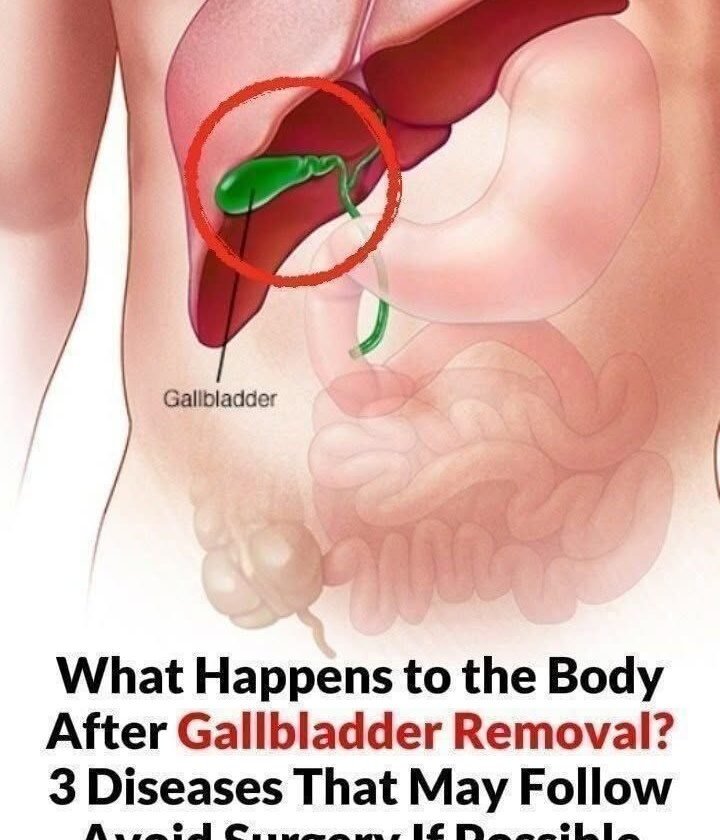
When the gallbladder is removed (a procedure known medically as a cholecystectomy), the body undergoes a fundamental physiological shift. Normally, the gallbladder acts as a reservoir, storing concentrated bile produced by the liver and releasing it in controlled bursts when you eat dietary fats.
Without this storage pouch, bile drips continuously and unregulated straight from the liver into your small intestine. While many people adapt well, this constant flow can alter digestive dynamics and contribute to long-term gastrointestinal challenges.
What Happens to the Body Post-Surgery?
-
Continuous Bile Drip: Instead of on-demand delivery, your digestive tract is exposed to a steady trickle of bile acids, which can irritate the lining of the stomach, small intestine, and colon.
-
Fat Malabsorption: Because bile is no longer concentrated or released in a targeted surge, your body may struggle to break down heavy, fatty meals efficiently, leading to immediate digestive distress.
-
Altered Gut Microbiome: The constant presence of bile acids changes the environment of the gut microbiome, which can impact bowel regularity, nutrient absorption, and inflammation.
3 Diseases and Conditions That May Follow
While not everyone experiences severe long-term complications, a cluster of issues known collectively or individually can surface weeks, months, or even years later:
1. Post-Cholecystectomy Syndrome (PCS)
-
What it is: PCS is a broad term used when a patient continues to experience symptoms that mimic original gallbladder disease—such as sharp right-upper-quadrant abdominal pain, chronic bloating, nausea, gas, and indigestion—even after the organ has been removed.
-
Why it happens: It can be triggered by retained micro-stones in the bile ducts, inflammation, or structural changes in how the digestive tract handles fluid.
2. Bile Acid Malabsorption (BAM) and Chronic Diarrhea
-
What it is: Because the body loses its storage capacity, excess bile spills into the large intestine rather than being fully reabsorbed higher up. This unabsorbed bile irritates the colon lining, drawing water in and causing sudden, watery, urgent, and chronic diarrhea (frequently referred to as bile acid diarrhea).
3. Sphincter of Oddi Dysfunction (SOD)
-
What it is: The Sphincter of Oddi is a muscular valve that controls the flow of bile and pancreatic juices into the small intestine. Without the regulatory pacing of the gallbladder, this valve can begin to spasm, malfunction, or experience high pressure.
-
The Result: This manifests as severe, recurring abdominal pain (resembling an gallbladder attack) and enzyme backups that can occasionally provoke secondary inflammation in the pancreas.
Can You Avoid Surgery?
For acute, life-threatening situations—such as a gallbladder rupture, severe infection (cholecystitis), or complete bile duct blockage—surgery is a necessary, life-saving intervention.
However, if you are dealing with mild-to-moderate gallstones or biliary sludge that is not acutely infected, many functional medicine and gastroenterology approaches focus on preservation and management:
-
Targeted Diet Modification: Minimizing heavy, highly processed, or saturated fats prevents the gallbladder from aggressively spasming to empty a reservoir it can no longer manage comfortably.
-
Hydration and Soluble Fiber: Supporting regular bowel movements helps prevent bile stasis.
-
Targeted Supplements: Under medical guidance, agents like ox bile or digestive enzymes can sometimes assist overall fat breakdown, while lecithin or specific compounds may help thin biliary sludge.
Disclaimer: This information is for educational purposes and should not replace professional medical advice. Always consult a qualified healthcare provider before making major changes to your diet, treatment plan, or deciding on surgical options.
What specific symptoms or gallbladder concerns are prompting you to explore alternatives to surgery?