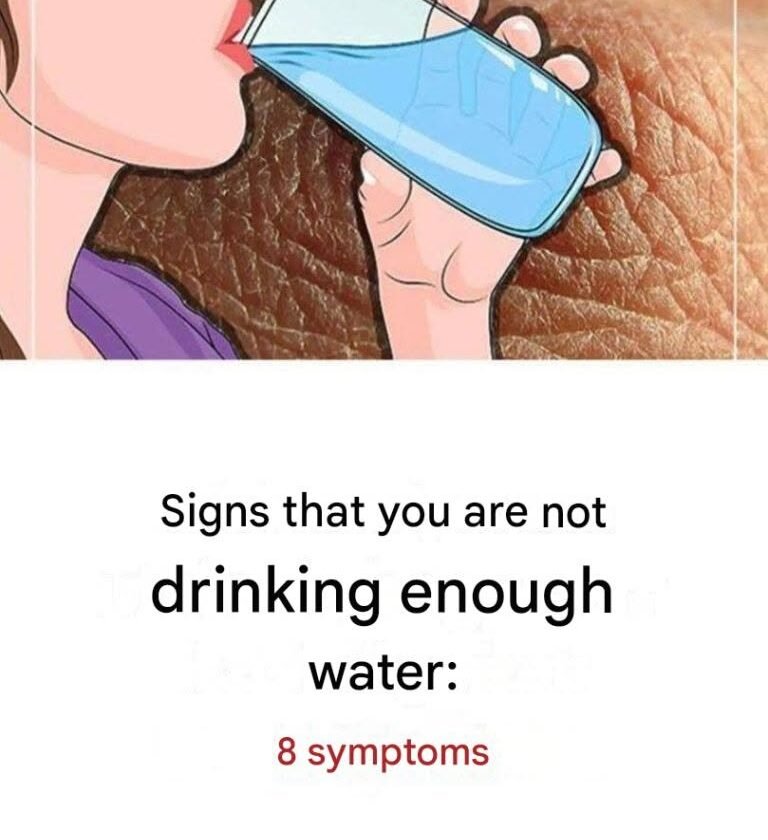
Not drinking enough water can lead to dehydration, which happens when your body loses more fluid than it takes in. Mild dehydration is common, but significant dehydration can become dangerous.
What can happen to your body?
- You become thirsty and develop a dry mouth
Thirst is one of the body’s early signals that you need more fluid. - Your urine becomes darker
Urine may become more concentrated and you may urinate less frequently. - You may develop headaches or dizziness
Dehydration can contribute to headache, lightheadedness and weakness. - You may feel tired
Even relatively mild dehydration can make you feel fatigued and less able to concentrate. - Your heart may work harder
Significant fluid loss reduces circulating blood volume, which can cause a faster heartbeat and lower blood pressure. - Your digestion can suffer
Inadequate fluid intake can contribute to constipation. - Your kidneys are affected
Severe dehydration can reduce kidney function and, in serious cases, contribute to acute kidney injury. (nhs.uk) - You can overheat more easily
Your body relies on fluid and sweating to regulate temperature, particularly during exercise or hot weather.
🚨 Signs of serious dehydration
Seek urgent medical attention if you have confusion, severe dizziness, very little or no urine, rapid breathing, a very fast heartbeat, extreme weakness, or loss of consciousness. These can indicate severe dehydration. (nhs.uk)
How much water do you need?
There isn’t one exact amount that everyone needs. Requirements vary with weather, physical activity, diet, age, illness, pregnancy and other factors. Drinking regularly and paying attention to thirst and urine color can help.
Also, more water isn’t always better. People with certain kidney, heart or liver conditions may have been instructed to limit fluids, so they should follow their healthcare professional’s advice rather than deliberately drinking large amounts.
Bottom line: Regularly drinking too little can affect your energy, concentration, digestion, circulation and kidney function. The goal is adequate hydration, not forcing excessive amounts of water.