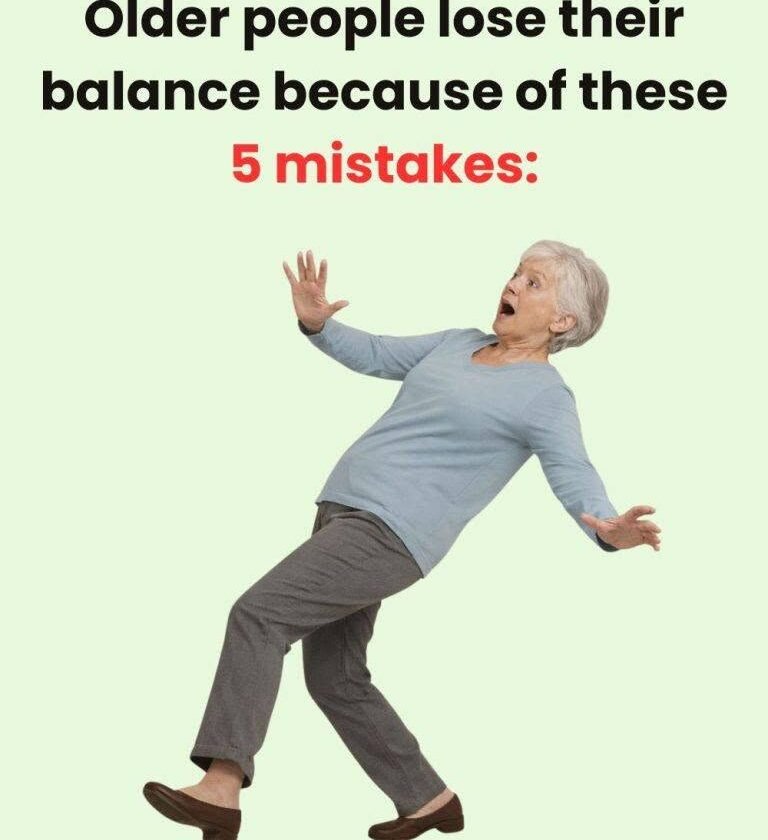
As people get older, balance can be affected by several common, often overlooked factors. The good news is that many can be addressed.
Common mistakes that can worsen balance
-
Being too sedentary: Avoiding walking and other movement can gradually reduce leg strength and balance.
-
Skipping strength and balance exercises: Strengthening the legs and practicing balance can help maintain stability.
-
Wearing unsafe footwear: Loose slippers, slippery soles, or poorly fitting shoes can increase fall risk.
-
Poor lighting: Dim hallways, stairs, and bathrooms make obstacles harder to see.
-
Leaving clutter on walking paths: Cords, rugs, furniture, and other trip hazards can be especially problematic.
-
Standing up too quickly: Some people experience a drop in blood pressure when moving from sitting or lying down to standing.
-
Ignoring vision or hearing problems: Difficulty seeing obstacles or sensing the environment can affect balance.
-
Not reviewing medications: Some medicines can cause dizziness, drowsiness, or low blood pressure. Medication changes should be discussed with a healthcare professional rather than stopped independently.
-
Dehydration: Not drinking enough fluids can contribute to weakness or dizziness in some older adults.
-
Ignoring repeated falls or near-falls: These can be signs of an underlying problem that deserves medical assessment.
If balance has suddenly become worse, or it comes with weakness on one side, difficulty speaking, severe headache, chest pain, or fainting, seek urgent medical attention.