Common Medication Classes Linked to Clots or Heart Risk
-
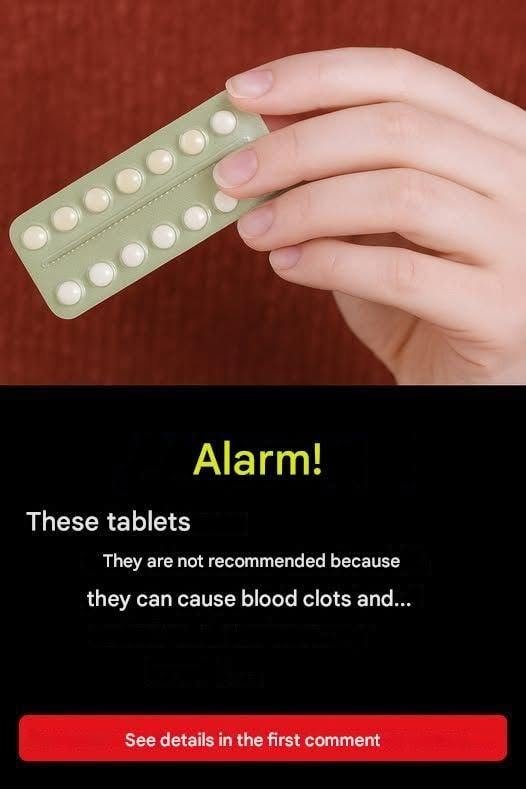
Combined Hormonal Contraceptives & Oral Estrogen Therapy: Pills containing estrogen increase liver production of clotting factors, raising the risk of deep vein thrombosis (DVT) and pulmonary embolism (PE). The risk is highest in the first year of use and increases sharply in people who smoke, are over age 35, or have a history of clotting disorders.
-
Nonsteroidal Anti-Inflammatory Drugs (NSAIDs): High doses or long-term use of non-aspirin NSAIDs—such as ibuprofen, naproxen, diclofenac, and celecoxib—carry FDA boxed warnings for increased risk of heart attack and stroke, particularly in people with existing cardiovascular disease or high blood pressure. (Low-dose aspirin is an exception, as it inhibits platelet clumping rather than promoting it.)
-
Corticosteroids (e.g., Prednisone): Systemic oral steroids taken at higher doses or over extended periods can raise blood pressure, worsen blood sugar, and promote clotting pathways, modestly increasing venous thromboembolism risk.
-
Certain Targeted Cancer and Autoimmune Drugs: Medications such as tamoxifen (used in breast cancer), thalidomide/lenalidomide, and JAK inhibitors (used for rheumatoid arthritis or ulcerative colitis) carry documented warnings for blood clots and major cardiovascular events in high-risk patients.
-
Testosterone Replacement Therapy: Excess red blood cell production (polycythemia) triggered by testosterone therapy can thicken the blood and increase clotting risk if hematocrit levels are not monitored.
Understanding Absolute Risk vs. Viral Headlines
| Medication Type | Primary Vascular Risk | Key Risk Multipliers |
| Estrogen-Containing Pills | Venous clots (DVT / PE) | Smoking, age >35, obesity, prolonged immobility, inherited clotting traits |
| High-Dose Oral NSAIDs | Arterial events (heart attack, stroke) | Existing heart disease, uncontrolled hypertension, daily high-dose use |
| Oral Corticosteroids | Venous clots, fluid retention, high BP | High daily doses, prolonged courses, recent surgery or immobility |
Safe Rules for Any Medication You Take
-
Never stop a prescribed medication abruptly: Stopping blood pressure pills, blood thinners, hormone therapies, or autoimmune drugs suddenly after reading an online warning can trigger rebound blood pressure spikes, disease flares, or clotting events far more dangerous than the medication itself.
-
Use the lowest effective dose of OTC pain relievers: Limit over-the-counter NSAIDs to short durations unless a doctor specifically advises otherwise, and avoid combining multiple NSAIDs at once.
-
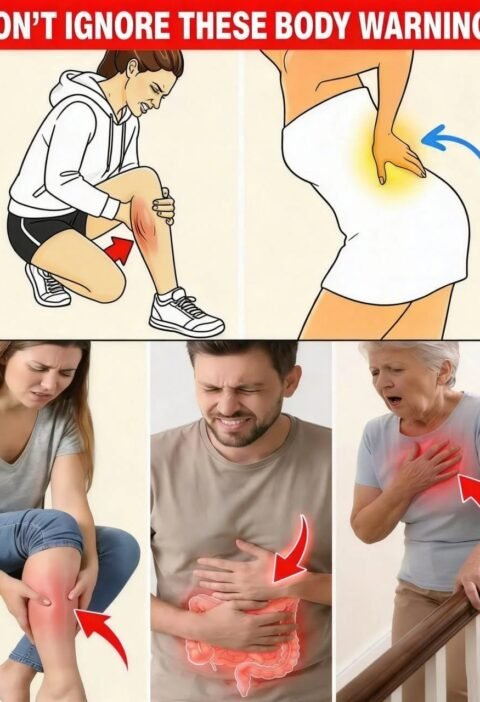
Know emergency clot and heart warning signs: Seek immediate medical care for sudden one-sided leg swelling, warmth, or calf pain (DVT), unexplained shortness of breath or sharp chest pain (PE), or chest pressure radiating to the arm, jaw, or back (heart attack).