What Is Actually True vs. Exaggerated
-
Some medications genuinely carry a small, known risk of blood clots or cardiovascular events—but only in specific people and situations:
-
Estrogen-containing birth control pills & hormone replacement therapy (HRT): Combined oral contraceptives (containing estrogen + progestin) slightly increase the risk of deep vein thrombosis (DVT) and pulmonary embolism (PE)—roughly from ~2–5 per 10,000 women per year to ~6–12 per 10,000, depending on the formulation. The risk is much higher in smokers over 35, people with migraine with aura, or those with inherited clotting disorders.
-
High-dose NSAID painkillers (e.g., diclofenac, high-dose ibuprofen, celecoxib): Long-term or high-dose use carries a small increase in heart attack and stroke risk, primarily in older adults or people who already have heart disease or uncontrolled high blood pressure.
-
Certain cancer therapies, corticosteroids, and specialty drugs (such as JAK inhibitors or erythropoiesis-stimulating agents): Can raise clotting risk and are prescribed with active doctor monitoring.
-
Sudden withdrawal of blood thinners or blood-pressure pills: Stopping prescribed anticoagulants (like rivaroxaban, apixaban, or warfarin) or antiplatelets (like aspirin or clopidogrel) abruptly causes a real rebound risk of clots or heart attacks.
-
-
Why Viral Posts Make It Dangerous:
-
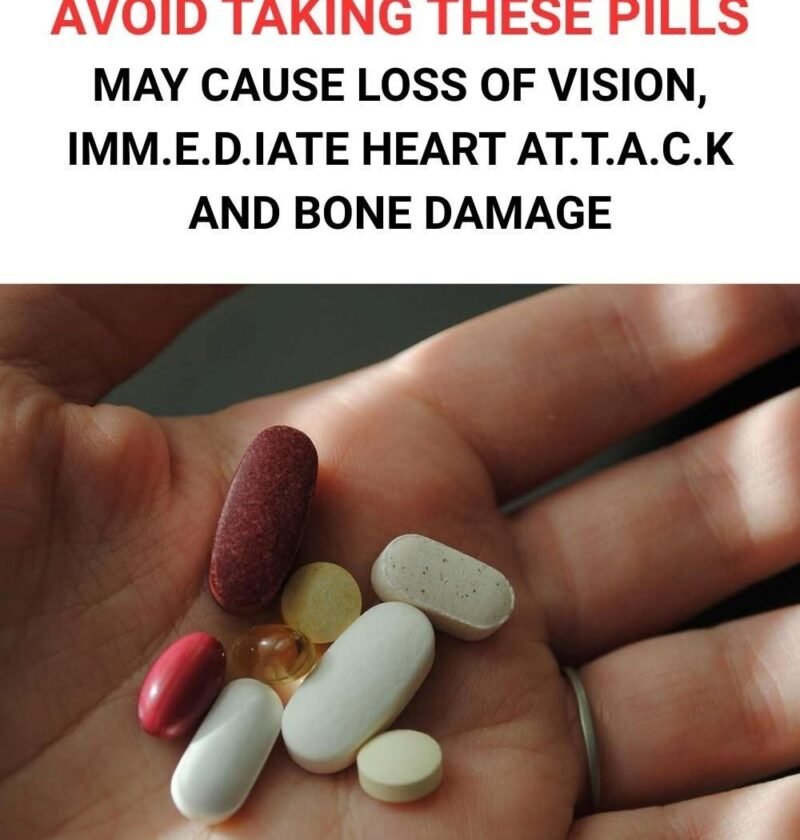
Posts that flash vague pill bottles or list common medications without context often frighten patients into stopping prescribed tablets cold turkey.
-
Never stop a prescribed medication suddenly without talking to your doctor—stopping heart, blood-pressure, diabetes, or blood-thinning medications abruptly is far more likely to trigger a clot, stroke, or heart attack than taking them as directed.
-
Real Warning Signs of a Blood Clot or Heart Attack (Seek Immediate Care)
-
Blood clot in the leg (DVT): Sudden swelling, throbbing pain or cramping, warmth, and redness/discoloration in one calf or thigh.
-
Blood clot in the lung (Pulmonary Embolism): Sudden unexplained shortness of breath, sharp chest pain that worsens when breathing in, racing heart, or coughing up blood.
-
Heart attack: Chest pressure, tightness, or heaviness lasting more than a few minutes, pain spreading to the arm, jaw, neck, or back, cold sweats, nausea, or sudden dizziness.(In Pakistan, call 1122 for Rescue 1122 or go directly to the nearest hospital emergency department.)