The Fastest Way to Spot a Stroke: BE FAST
-
B — Balance: Sudden loss of balance, coordination, or dizziness (trouble walking straight).
-
E — Eyes: Sudden blurred vision, double vision, or loss of vision in one or both eyes.
-
F — Face: One side of the face droops or feels numb—ask the person to smile and check if it looks uneven.
-
A — Arms: Sudden weakness or numbness in one arm (or leg)—ask them to raise both arms and watch if one drifts downward.
-
S — Speech: Slurred speech, trouble finding words, or inability to understand simple sentences—ask them to repeat a short phrase.
-
T — Time: Time to call emergency services immediately—note the exact time symptoms started, because clot-busting treatments work best within a strict 3 to 4.5-hour window.
All 10 Warning Signs Explained Clearly
-
Sudden numbness or weakness on one side of the body: Affecting the face, arm, or leg—especially on only the left or only the right side.
-
Facial drooping: One side of the mouth or eyelid sags noticeably when smiling or talking.
-
Slurred or garbled speech (dysarthria): Words sound thick, mumbled, or hard to pronounce.
-
Difficulty understanding speech or finding words (aphasia): The person looks confused, speaks nonsense words, or cannot follow simple directions.
-
Sudden vision changes: Dimming, blacking out, blurriness, or double vision in one or both eyes.
-
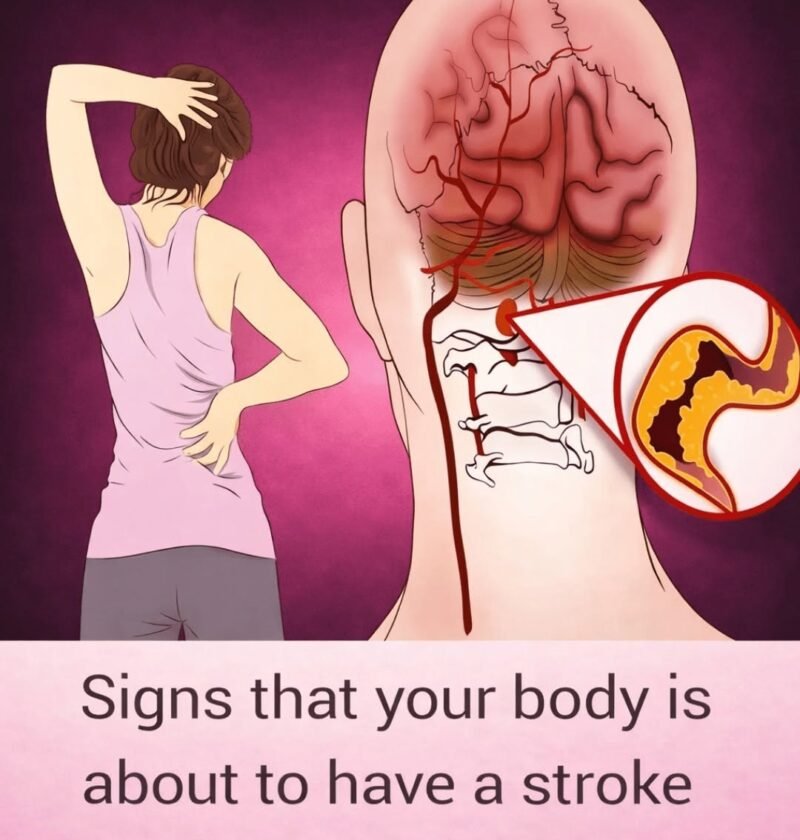
Sudden severe headache with no known cause: Often described as the “worst headache of my life” (“thunderclap” headache)—more common in hemorrhagic (bleeding) strokes, sometimes paired with nausea or stiff neck.
-
Sudden dizziness, spinning (vertigo), or loss of balance: Stumbling, veering to one side, or sudden inability to stand steady.
-
Loss of coordination or clumsiness: Sudden trouble picking up a cup, buttoning a shirt, or walking smoothly.
-
Sudden confusion or memory drop: Abrupt disorientation about where they are or what is happening.
-
Sudden trouble swallowing (dysphagia) or abrupt hiccups/nausea with neurological signs: Less common on its own, usually appearing alongside dizziness, speech trouble, or weakness from a brainstem stroke.
Crucial Do’s and Don’ts During a Suspected Stroke
-
DO call emergency services immediately: In Pakistan, dial 1122 (Rescue 1122) or go straight to a major hospital with a 24/7 CT scan and stroke unit.
-
DO NOT “wait to see if it passes”: Even if symptoms vanish after 5–15 minutes—a Transient Ischemic Attack (TIA) or “mini-stroke”—it is an urgent warning that a major stroke could happen within hours or days.
-
DO NOT give aspirin, food, water, or blood-pressure pills at home: About 15% of strokes are caused by bleeding in the brain rather than a clot; giving aspirin before a brain CT scan can worsen bleeding, and swallowing difficulties create a serious choking hazard.