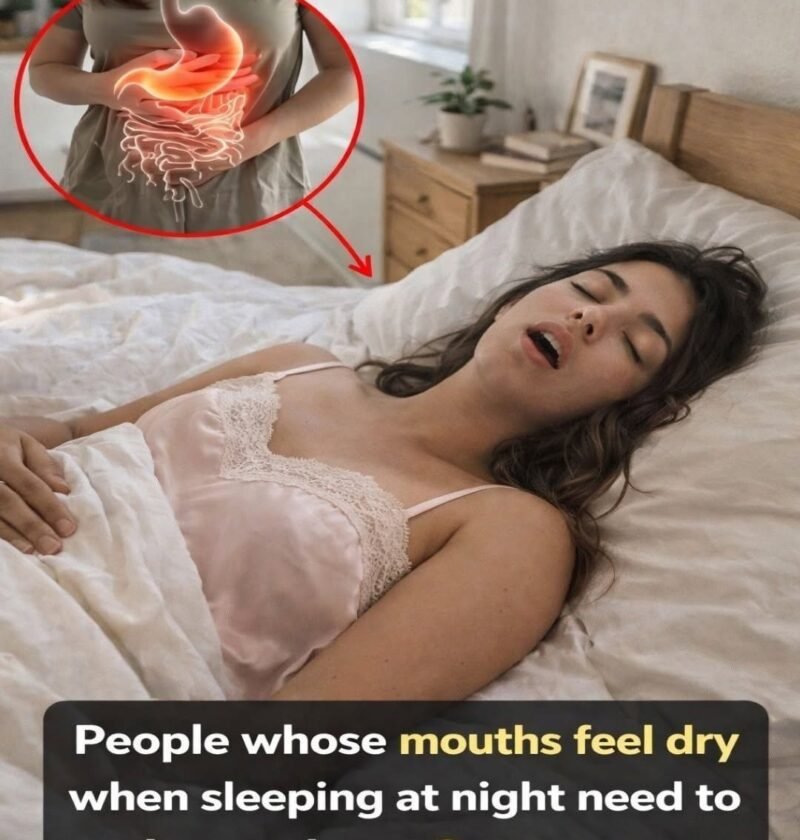
Waking up with a parched, sticky mouth can leave you feeling instantly uncomfortable and reaching for a glass of water. While it happens to everyone occasionally, waking up with a dry mouth every night (xerostomia) is usually a sign of something specific happening while you sleep.
Here are the most common causes and practical steps you can take to find relief.
Common Causes of Nighttime Dry Mouth
-
Mouth Breathing
-
Why it happens: If your nasal passages are blocked due to allergies, a deviated septum, a sinus infection, or sleep apnea, you naturally breathe through your mouth while sleeping. Constant airflow rapidly evaporates your saliva.
-
-
Medications
-
Why it happens: Hundreds of common medications list dry mouth as a side effect. This includes antihistamines, decongestants, high blood pressure medications, antidepressants, and muscle relaxants.
-
-
Dehydration or Dry Bedroom Environment
-
Why it happens: Not drinking enough water throughout the day or sleeping in a bedroom with very dry air (especially with heaters or air conditioning running) can easily dry out your mucous membranes.
-
-
Lifestyle Habits
-
Why it happens: Consuming caffeine, alcohol, or salty/spicy foods late in the evening, or smoking/vaping close to bedtime, heavily contributes to reduced saliva production overnight.
-
-
Aging and Natural Changes
-
Why it happens: As we get older, our bodies naturally produce less saliva, and older adults are also more likely to take multiple medications that cause dryness.
-
What Helps: Relief and Prevention
-
Use a Cool-Mist Humidifier: Running a humidifier in your bedroom overnight adds moisture back into the air, preventing your mouth and nasal passages from drying out.
-
Practice Nasal Breathing: If congestion is the culprit, try using saline nasal rinses, nasal strips, or allergy medications before bed to keep your airways clear.
-
Stay Hydrated (with a strategy): Sip water steadily throughout the day, but avoid chugging a massive glass right before bed—otherwise, you’ll just be waking up all night to use the restroom. Keep a small glass or bottle of water right on your nightstand.
-
Try Over-the-Counter Saliva Substitutes: Look for specialized dry-mouth mouthwashes, lozenges, or sprays designed for nighttime use (often containing Xylitol or lubricating enzymes) that coat and protect your mouth while you sleep.
-
Avoid Evening Triggers: Cut back on alcohol, caffeine, and smoking, especially in the hours leading up to bedtime.
💡 Important Note: Saliva does more than just keep your mouth comfortable—it washes away food particles and neutralizes acids that protect your teeth from decay. If your dry mouth persists despite making a few changes, it’s a good idea to mention it to your dentist or doctor to rule out underlying issues like sleep apnea or medication side effects.
Are you experiencing any other symptoms like daytime fatigue, nasal congestion, or snoring, or would you like a few recommendations for specific dry-mouth products?