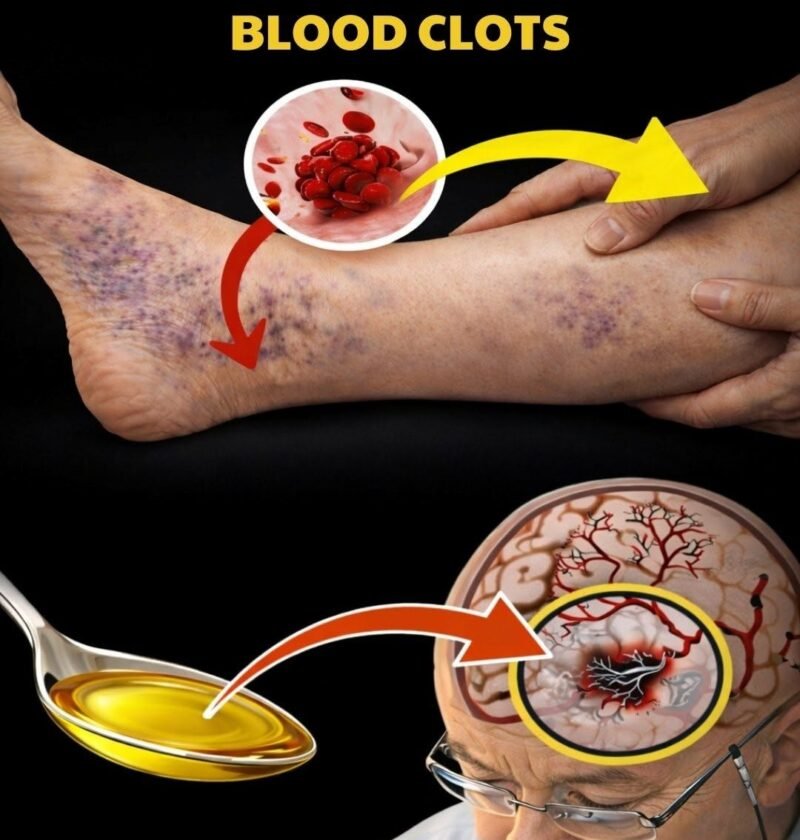
If by “blood clot management” you mean supporting normal circulation and healthy blood clotting, no fruit can dissolve an existing blood clot. A balanced diet can, however, contribute to cardiovascular health.
Eight fruits worth including are:
-
Berries — strawberries, blueberries, and similar fruits provide polyphenols and fiber.
-
Citrus fruits — oranges, grapefruit, lemons, and other citrus provide vitamin C and flavonoids.
-
Pomegranate — provides polyphenols and may support cardiovascular health.
-
Apples — a useful source of soluble fiber and polyphenols.
-
Grapes — contain polyphenols such as resveratrol.
-
Kiwi — provides vitamin C, fiber, and other antioxidants.
-
Avocado — technically a fruit and provides monounsaturated fat and potassium.
-
Cherries — contain anthocyanins and other antioxidant compounds.
Important distinction
If you already have a blood clot, don’t try to treat it with fruit, supplements, or herbal remedies. Conditions such as deep-vein thrombosis or pulmonary embolism can require urgent medical treatment.
Also, if you take warfarin or another blood-thinning medication, don’t make major dietary or supplement changes without discussing them with your clinician. Some foods and supplements can interact with anticoagulants.
If you have sudden one-sided leg swelling/pain, chest pain, difficulty breathing, coughing blood, or fainting, seek emergency medical attention.