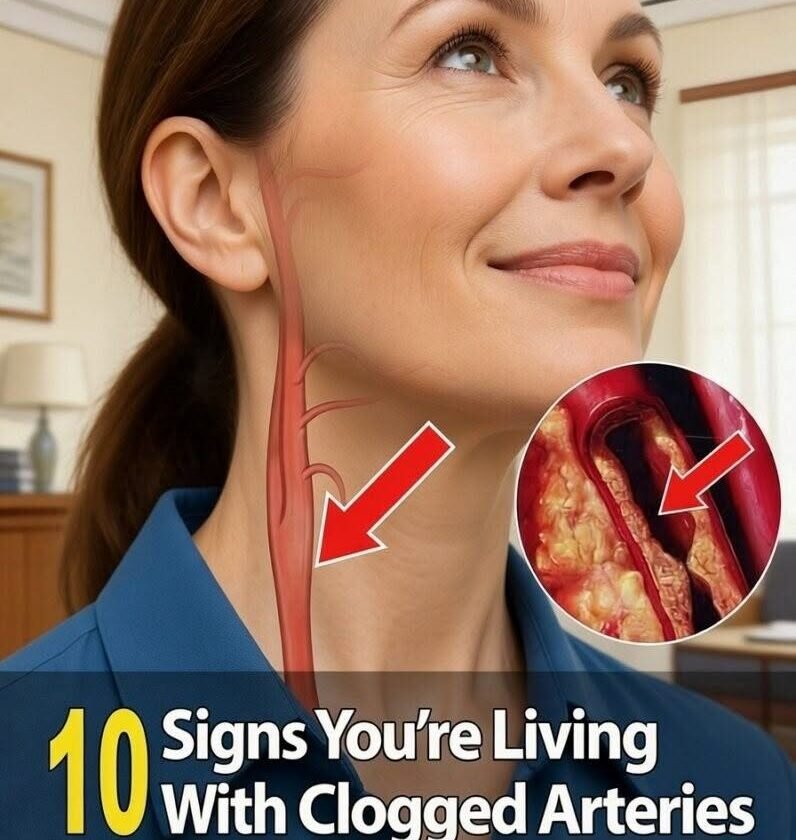
Blocked arteries can be serious, but there isn’t a reliable list of 10 symptoms that proves an artery is blocked. Atherosclerosis can progress for years without noticeable symptoms.
Symptoms that deserve attention
Depending on which arteries are affected, warning signs can include:
-
Chest pressure, tightness, or pain, particularly with exertion — possible coronary artery disease.
-
Shortness of breath during activity or at rest.
-
Pain, aching, heaviness, or cramping in the calf or thigh when walking that improves with rest — a possible sign of peripheral artery disease (PAD).
-
A foot or leg that is unusually cold, pale, or bluish, especially compared with the other side.
-
Slow-healing sores on the feet or legs.
-
Weak or absent pulses in the feet.
-
Sudden weakness or numbness on one side, facial drooping, or difficulty speaking — possible stroke/TIA and an emergency.
-
Sudden severe leg pain with coldness, numbness, or loss of movement — possible acute loss of blood flow and an emergency.
🚨 Don’t wait for a “blocked artery” symptom
Call your local emergency service immediately for new chest pressure/pain, severe breathing difficulty, or sudden stroke symptoms. Treatment can be time-sensitive.
For people without symptoms, doctors assess cardiovascular risk using factors such as blood pressure, cholesterol, diabetes, smoking, age, and family history rather than trying to detect blockages from symptoms alone.
If you’re experiencing leg pain when walking, chest discomfort, or another particular symptom, tell me what happens and when it occurs, and I can explain what it may indicate.