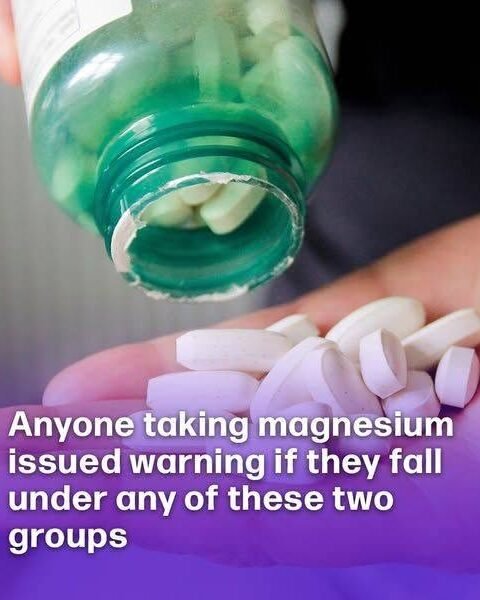
While vitamin D is essential for bone health, immunity, and overall wellness, taking excessive amounts—usually through high-dose supplements over a long period—can lead to vitamin D toxicity (hypervitaminosis D).
This condition causes a dangerous buildup of calcium in your bloodstream (hypercalcemia), which triggers specific warning signs. Medical professionals advise that you should pause your supplements and consult a doctor if you experience the following 4 key symptoms:
1. Frequent Thirst and Excessive Urination
-
Why it happens: Excess vitamin D floods your blood with calcium, disrupting your body’s fluid and salt balance. Your kidneys have to work overtime to flush out the excess calcium, which leads to dehydration, constant thirst (polydipsia), and frequent trips to the bathroom (polyuria).
2. Nausea, Vomiting, and Poor Appetite
-
Why it happens: The surge in blood calcium can upset your gastrointestinal tract. You might suddenly lose your taste for food, feel persistently queasy, suffer from a sour stomach, or experience frequent bouts of nausea and vomiting.
3. Bone Pain and Muscle Weakness/Cramps
-
Why it happens: Ironically, while vitamin D is supposed to support your musculoskeletal system, an overdose disrupts the delicate balance of minerals (like calcium and magnesium) that your muscles and bones rely on to function. This can result in unexplained muscle cramps, generalized weakness, and aching bones.
4. Brain Fog, Confusion, and Headaches
-
Why it happens: High levels of calcium in the bloodstream affect the nervous system. You may find it difficult to concentrate (“brain fog”), experience persistent headaches, or feel unusually fatigued, dizzy, or mentally sluggish.
What should you do?If you are experiencing these symptoms and regularly take high-strength vitamin D supplements, doctors recommend pausing your intake immediately and seeking medical advice. A simple blood test can check your 25-hydroxyvitamin D and calcium levels to ensure you stay safely within a healthy range.