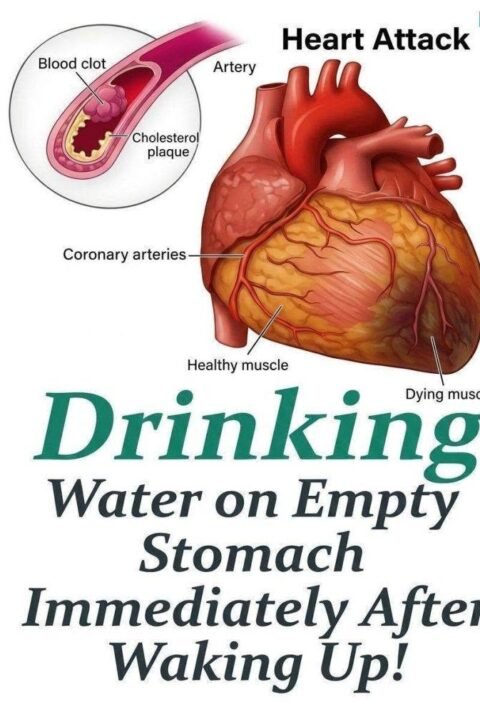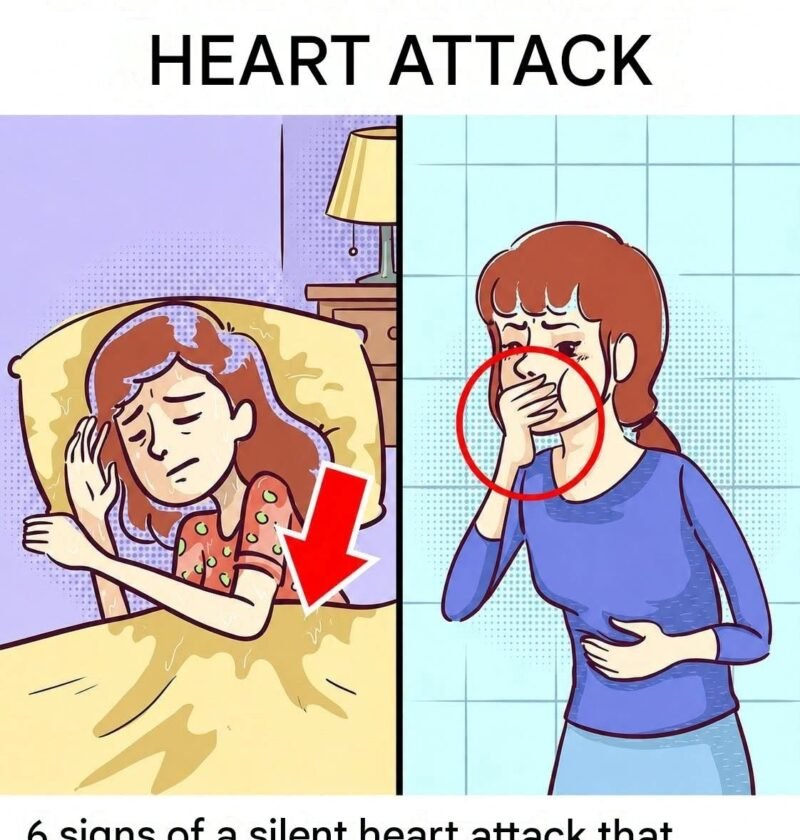
Headlines about “silent heart attacks” often use dramatic framing, but the underlying medical phenomenon is very real. Clinically known as a silent myocardial infarction (SMI), a silent heart attack accounts for roughly 20% to 45% of all heart attacks.
Unlike the dramatic Hollywood depiction of crushing chest pain and grabbing the left arm, a silent heart attack produces symptoms so mild, atypical, or brief that individuals write them off as everyday fatigue, indigestion, or muscle strain—only discovering the damage later via an electrocardiogram (ECG) or echocardiogram.
Here are 6 subtle or overlooked signs that can indicate a silent or atypical heart attack:
1. Unexplained, Overwhelming Fatigue
-
What it feels like: A sudden, crushing exhaustion that hits out of nowhere, making you feel as though you haven’t slept in days or lacks the energy to perform basic tasks like walking across a room or climbing stairs.
-
Why it happens: When a coronary artery is blocked and the heart muscle struggles to pump efficiently, blood flow to the rest of the body drops sharply, triggering severe systemic fatigue.
2. Mild Discomfort Mistaken for Indigestion or Acid Reflux
-
What it feels like: A dull ache, burning sensation, pressure, or a feeling of “fullness” in the upper abdomen, sternum, or throat that mimics heartburn, gas, or a heavy meal.
-
Why it happens: Because the nerves supplying the heart share spinal pathways with the upper digestive tract, cardiac distress frequently refers pain to the stomach and chest area.
3. Shortness of Breath During Light Activity
-
What it feels like: Catching your breath or gasping for air after minimal exertion—such as making the bed, walking to the mailbox, or simply resting—when you would normally have no trouble.
-
Why it happens: If the heart isn’t pumping blood effectively, fluid can back up slightly into the lungs, creating a sudden sensation of air hunger.
4. Vague Aches in the Jaw, Neck, or Upper Back
-
What it feels like: A dull, persistent ache, tightness, or pressure radiating into the lower jaw, teeth, neck, or between the shoulder blades (frequently mistaken for a pinched nerve, dental issue, or bad sleeping posture).
-
Why it happens: Cardiac nerve signals travel up the spinal cord and can manifest as referred pain in upper body structures sharing the same neural pathways.
5. Sudden Cold Sweats (Diaphoresis)
-
What it feels like: Breaking out into a cold, clammy sweat for no apparent reason, often accompanied by pale skin or a feeling of unease, without any fever or intense physical heat.
-
Why it happens: A struggling heart activates the body’s “fight or flight” sympathetic nervous system response, causing sudden vasomotor shifts that prompt cold sweating.
6. Lightheadedness or Dizziness
-
What it feels like: A fleeting feeling of unsteadiness, wooziness, or feeling as though you might faint when standing up or moving around.
-
Why it happens: Reduced cardiac output can temporarily lower blood pressure, depriving the brain of an optimal supply of oxygen-rich blood.
Why Recognizing Them Matters
Because silent heart attacks occur with little or no classic warning, they often go untreated in the moment. However, the heart muscle still experiences a lack of oxygen and subsequent scarring.
If you or someone around you experiences a sudden combination of these subtle symptoms—especially if you have risk factors like high blood pressure, diabetes, high cholesterol, or a family history of heart disease—it is crucial to seek prompt medical evaluation rather than brushing it off.