Why Do We Get Muscle Cramps at Night?
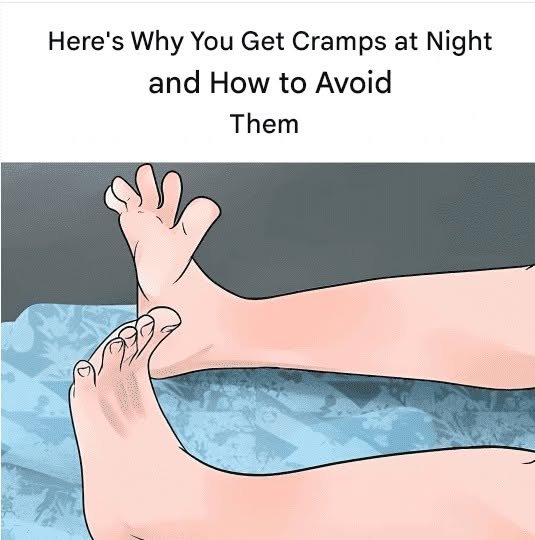
Nighttime leg cramps—especially in the calves—are very common, particularly as people get older. They are sudden, involuntary muscle contractions that can last from a few seconds to several minutes.
Common reasons
-
Muscle fatigue or overuse: A long day of walking, standing, or exercise can contribute.
-
Prolonged sitting or inactivity: Staying in one position for extended periods may increase the likelihood of cramps.
-
Age-related changes: Night cramps become more common with age.
-
Dehydration: Inadequate fluid intake may contribute in some people.
-
Certain medications: Some medicines, including certain diuretics and cholesterol-lowering drugs, can be associated with muscle cramps.
-
Nerve or circulation problems: Conditions affecting nerves or blood vessels can sometimes contribute.
-
Pregnancy or certain medical conditions: These can increase susceptibility to cramps.
Despite popular claims, night cramps aren’t automatically caused by a magnesium deficiency. Taking magnesium doesn’t reliably prevent cramps in everyone, and supplementation is most useful when there is a genuine deficiency or a clinician recommends it.
What to do when a cramp strikes cramps deserve attention because medications, nerve problems, circulation issues, and other conditions can sometimes be involved.
-
Gently stretch the affected muscle.
-
Massage the muscle while it relaxes.
-
For a calf cramp, straighten the leg and gently pull the toes toward your face.
-
Stand and walk carefully if you’re able to do so safely.
-
A warm shower or heating pad may help afterward.
When to get checked
Talk with a healthcare professional if cramps are frequent, severe, newly developing, or disrupting your sleep, especially if you also have muscle weakness, numbness, swelling, or persistent pain.
Bottom line: Occasional nighttime cramps are usually not dangerous, but frequent cramps deserve attention because medications, nerve problems, circulation issues, and other conditions can sometimes be involved.