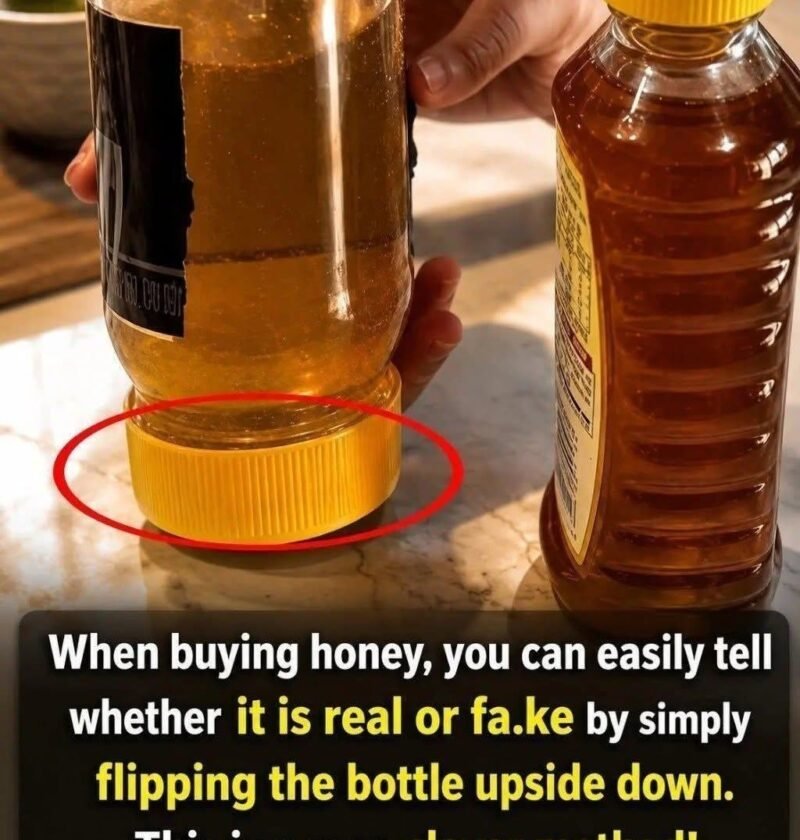
Headlines like “Think You’re Buying Real Honey? Here’s How to Tell” tap into a very real market problem—honey adulteration (stretching or replacing pure honey with cheaper syrups like corn, rice, cane, or beet syrup, or harvesting/labeling misleadingly)—while promising a simple kitchen “lie detector.” Pure honey adulteration is a genuine concern worldwide, but most viral “at-home honey tests” (like burning with a match, dissolving in water, thumb-spreading, or freezing) do not reliably prove whether honey is pure.
Real honey varies naturally in color, thickness, sweetness, aroma, and tendency to crystallize depending on floral source (such as acacia, clover, citrus, eucalyptus, or wildflower), water content, and processing. A test that flags pure honey as “fake”—or lets a syrup blend pass—isn’t a dependable verdict.
Viral Kitchen “Honey Tests” vs. What They Actually Measure
| Viral “Test” | What People Claim It Proves | Why It Often Misleads |
| Crystallization / Sugar Graininess | Claimed to mean “fake honey” or added sugar. | False. Natural crystallization is actually a normal trait of many pure honeys (especially those higher in glucose relative to fructose or kept cool)—not proof of adulteration. |
| Water Drop / Dissolving Test | Claimed that pure honey sinks in a lump and won’t mix easily without stirring. | False. Viscosity depends heavily on moisture content, temperature, and floral source; syrups can sink too, and thinner pure honeys disperse differently. |
| Flame / Match / Vinegar Foam Test | Claimed to show purity through crackling, burning, or fizzing. | Unreliable. Flame/crackling behavior mostly reflects moisture and sugar caramelization/combustion, not authentic floral nectar origin. |
| Runniness / Texture Check | Claimed thick honey is real and runny honey is watered down or fake. | Incomplete. Some authentic honeys (like acacia or certain fresh harvests) are naturally lighter and more fluid, while heated or blended syrups can be thick. |
How to Actually Shop Smarter for Real Honey
-
Look at Label Specificity and Transparency: Reputable sellers state a clear floral/regional source, ingredient list (ideally just 100% honey with no added syrups or flavors), batch/harvest details, and traceable producer or brand accountability.
-
Watch Out for “Too Cheap to Be True” Pricing: Honey production is labor- and weather-dependent. Prices dramatically below typical local or regional rates for similar honey are one of the strongest practical warning signs of cutting or mislabeling.
-
Know That True Authenticity Requires Lab Testing: Regulators and food scientists rely on analytical methods—such as stable carbon isotope ratio analysis, sugar profile chromatography, pollen/melissopalynology, or moisture/HMF checks—to detect added C4/C3 plant syrups or heat/storage issues. A spoon and a glass of water can’t replace laboratory chemistry.
Practical Takeaway
If a post claims you can spot fake honey in ten seconds with a match or a glass of water, treat the test with skepticism even when the concern about adulteration is real. Buying from trustworthy sources, paying attention to realistic pricing, and recognizing that crystallization is normal—not a defect—goes much further than kitchen parlor tricks.