The 5 Habits Behind Spotless Floors
-
Dry-sweep or vacuum before any wet mop touches the floor: Wetting fine dust, sand, or pet hair turns it into a thin film of mud. A thorough sweep or vacuum picks up abrasive grit first so it doesn’t smear or scratch hard surfaces.
-
Use less cleaner—and plain water or a damp pad more often: Extra soap or floor polish leaves a tacky residue that attracts fresh dust within hours and causes haze on tile, laminate, or vinyl. A few drops of pH-neutral cleaner (or diluted solution following label directions) is plenty for routine maintenance.
-
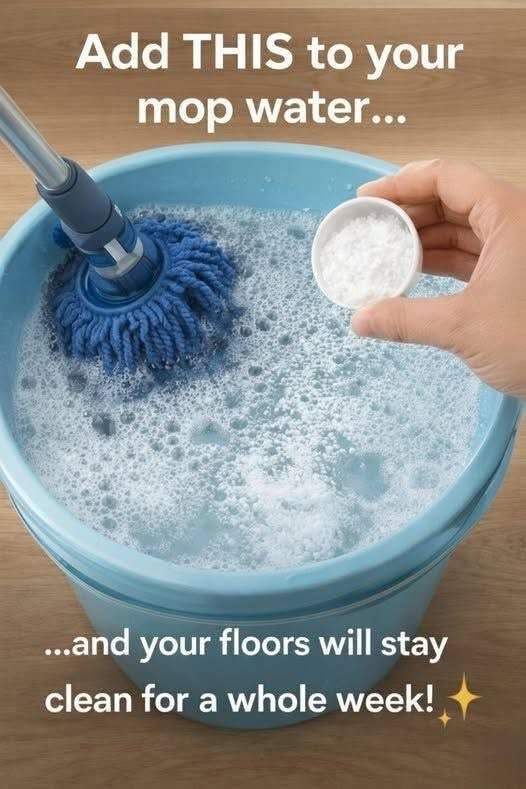
Keep mop moisture low and wring well: Floors should look damp and dry within a minute or two—never puddled. Excess water can leave streaks and can seep into seams on hardwood or laminate.
-
Swap pads or rinse dirty water frequently: Mopping an entire house with one dirty pad or a single bucket of gray water just redistributes grime. Using a clean microfiber pad—or rinsing in clean water before re-dipping—keeps floors genuinely clean.
-
Match the method to your floor material:
-
Porcelain or ceramic tile: Handles damp mopping and pH-neutral cleaners easily; grout lines may occasionally need a soft brush and targeted cleaner.
-
Hardwood, laminate, or luxury vinyl: Keep moisture minimal; avoid soaking wood or using harsh abrasives, steam on unsealed/sensitive planks, or wax buildup that clouds the finish.
-
Quick Routine for Fast, Streak-Free Results
-
Spot-treat sticky spots first: Wipe spills or kitchen grease with a damp cloth or targeted spot cleaner before mopping the whole room.
-
Work backward toward the exit: Mop in overlapping passes moving out of the room so you don’t step onto damp floor.
-
Let it air-dry completely: Avoid walking on the floor until it is dry to prevent footprints and dull spots.