Common Everyday Triggers
-
Muscle Fatigue & Sedentary Posture: Standing on hard surfaces all day, suddenly increasing exercise intensity, or sitting for long stretches with shortened calf muscles can make motor nerves overly excitable at night.
-
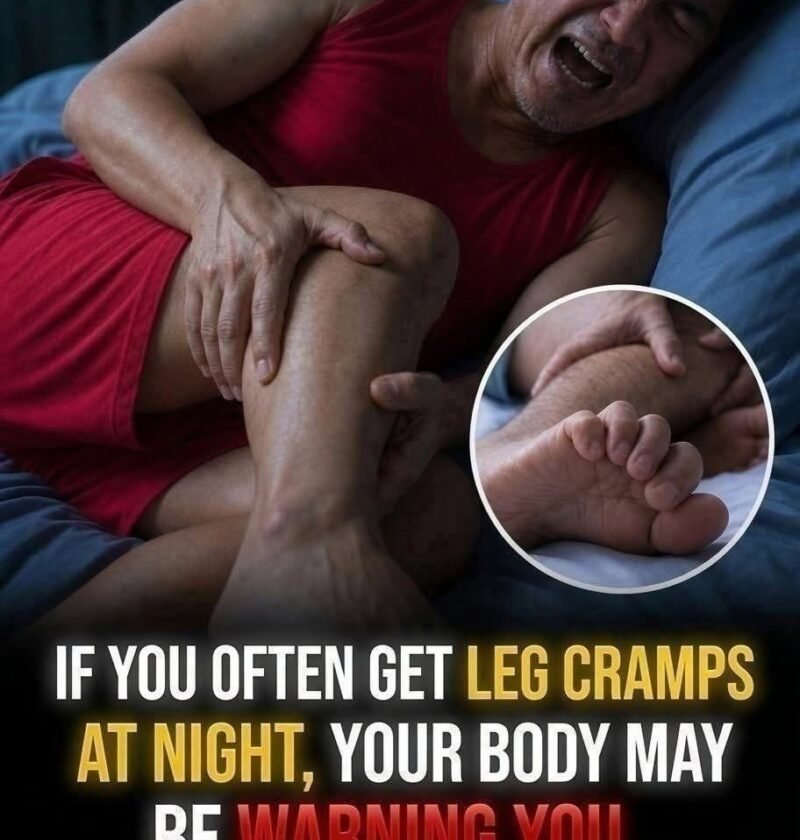
Sleeping Position: Sleeping with your toes pointed downward (plantar flexion) keeps the calf muscle in a shortened state, making it much easier for a sudden spasm to lock up.
-
Dehydration & Electrolyte Shifts: Heavy sweating, hot weather, or low fluid intake can disrupt the balance of potassium, magnesium, calcium, and sodium that muscles rely on to relax properly after contracting.
-
Normal Aging & Pregnancy: Nocturnal cramps become noticeably more common after age 50 (as motor neurons naturally change) and during pregnancy (due to extra weight, circulation shifts, and mineral demands).
Medications & Medical Factors That Can Contribute
-
Medications: Diuretics (“water pills” for blood pressure or fluid retention), certain asthma inhalers (long-acting beta-agonists), statins, intravenous iron, and some osteoporosis or blood pressure drugs are common culprits.
-
Circulation Issues (Peripheral Artery Disease): Narrowed leg arteries reduce blood flow—though classic vascular pain (claudication) usually flares during walking and eases with rest, rather than starting strictly in bed.
-
Nerve Compression or Neuropathy: Lower back issues (lumbar spinal stenosis or sciatica) or peripheral neuropathy (such as from diabetes) can irritate the nerves running down the legs.
-
Endocrine or Organ Conditions: Underactive thyroid (hypothyroidism), kidney disease, or liver conditions can alter fluid and mineral regulation.
Quick Relief & Prevention Habits
-
During a Cramp: Gently flex your foot upward (pulling your toes toward your shin) to stretch the calf, massage the tight muscle, or walk around on your heels for a minute. Applying a warm towel or heating pad helps relax lingering soreness afterward.
-
Before Bed: Do a gentle 1-minute calf stretch against a wall before sleeping, stay steadily hydrated through the day, and avoid tucking bedsheets tightly over your feet (which forces your toes to point downward).