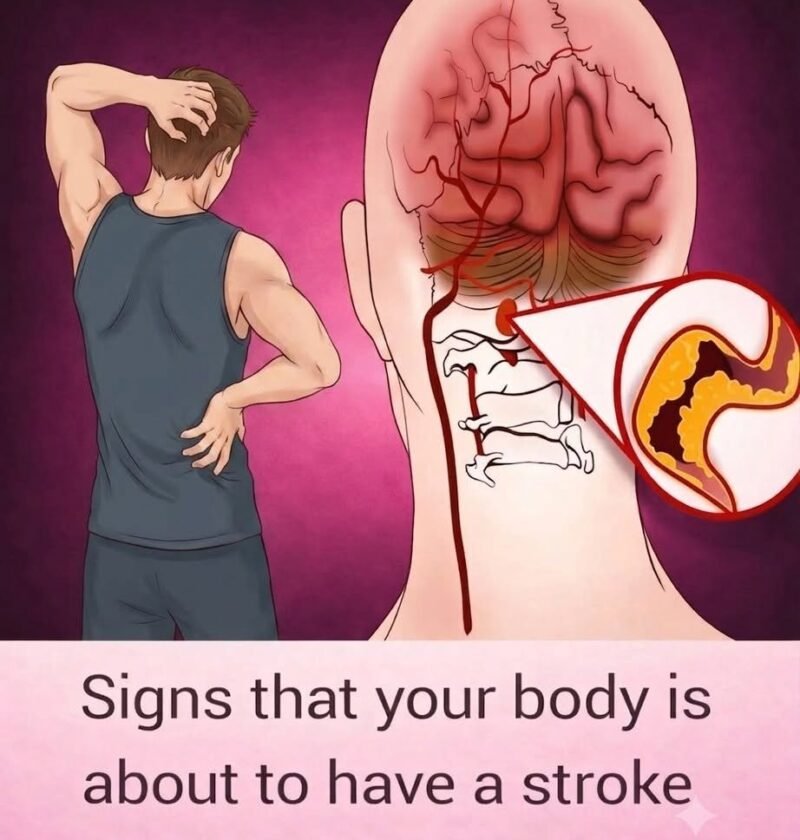
Recognizing the early warning signs of a stroke and acting immediately can save a life and drastically improve recovery outcomes. When a stroke occurs, every minute counts—millions of brain cells are lost the longer treatment is delayed.
The universal acronym to remember is FAST, alongside several other sudden neurological symptoms. Here are 10 early warning signs everyone should know:
The FAST Warning Signs
These are the most common signs of a stroke. If you notice any of these signs, call emergency services immediately.
-
F – Face Drooping: Does one side of the face droop, or is it numb? Ask the person to smile to check for asymmetry.
-
A – Arm Weakness: Is one arm weak or numb? Ask the person to raise both arms. Does one drift downward?
-
S – Speech Difficulty: Is their speech slurred, are they unable to speak, or do they sound hard to understand? Ask them to repeat a simple sentence (e.g., “The sky is blue”).
-
T – Time to Call 911 (or local emergency number): If they show any of these symptoms—even if the symptoms go away—call emergency services immediately and note the exact time the symptoms first appeared.
Other Sudden Signs and Symptoms
Strokes can affect different parts of the brain, leading to other sudden warning signs:
-
5. Sudden Confusion: Trouble understanding speech, sudden disorientation, or difficulty comprehending simple concepts.
-
6. Sudden Trouble Seeing in One or Both Eyes: Blurred vision, double vision, or a sudden loss of vision in one or both eyes.
-
7. Sudden Trouble Walking: Loss of balance, stumbling, dizziness, or a sudden lack of coordination.
-
8. Sudden Severe Headache: A sudden, unusually severe headache with no known cause, often described by survivors as the “worst headache of their life.”
-
9. Sudden Numbness or Weakness: Sudden numbness, weakness, or paralysis, typically affecting just one side of the face, arm, or leg.
-
10. Sudden Dizziness or Loss of Balance: Feeling as though the room is spinning, accompanied by nausea, vomiting, or sudden instability.
[!NOTE]Take Action Immediately: Never wait to see if symptoms will go away on their own. Time lost is brain lost. If you suspect someone is having a stroke, call emergency services right away and tell the dispatcher you suspect a stroke.
Would you like to learn more about stroke prevention strategies, or are you looking for information regarding stroke recovery and rehabilitation?