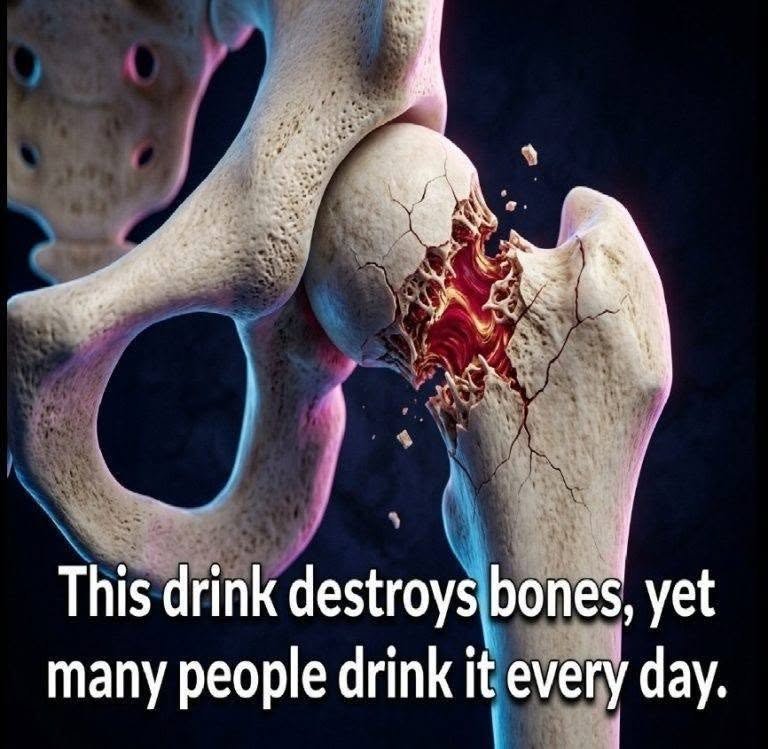
Viral health articles and clickbait slideshows love to publish sensational lists like “The Five Drinks Most Harmful to Your Bones,” often warning that a single sip of your favorite beverage will instantly leach calcium from your skeleton and leave you vulnerable to osteoporosis.
When endocrinologists, bone health specialists, and clinical dietitians look at how bone density is actually maintained, the reality is more about cumulative dietary patterns and long-term habits than a single toxic drink. However, certain beverages do negatively impact calcium absorption, bone mineralization, or overall bone health over time.
Here is what science and medical research actually say about the drinks that can undermine your skeletal health:
1. Excess Alcohol Consumption
-
Why it’s harmful: Chronic, heavy alcohol consumption is one of the most well-documented dietary threats to bone health. Alcohol directly inhibits the cells responsible for building new bone (osteoblasts), interferes with your body’s ability to absorb dietary calcium, and disrupts vitamin D activation. Furthermore, heavy drinking increases the risk of balance issues and falls, which can easily lead to fractures in weakened bones.
-
The Reality: An occasional glass of wine or beer with dinner is not going to decimate your skeleton, but heavy, chronic drinking significantly compromises bone density over time.
2. High-Sugar Sodas (Especially Colas)
-
Why it’s harmful: Sugary sodas—particularly dark colas—have frequently been singled out in epidemiological studies for a negative association with bone mineral density. This is often driven by a combination of factors: high phosphoric acid content (which can alter the body’s acid-base and calcium balance if dietary calcium is low) and the fact that sugary sodas frequently crowd out calcium-rich milk, fortified plant milks, or water in a person’s daily diet.
-
The Reality: A sporadic soda won’t dissolve your bones, but a daily habit of heavy sugary soda consumption contributes to poor overall nutrition and metabolic strain that hurts long-term skeletal strength.
3. Excess Caffeine (Coffee, Energy Drinks, and Heavy Teas)
-
Why it’s harmful: Caffeine causes a very mild, temporary increase in the amount of calcium excreted through urine. Viral articles often leap from this minor biological fact to claiming coffee causes osteoporosis.
-
The Reality: For most people, moderate caffeine intake (roughly 300 to 400 mg per day, or about 3–4 cups of coffee) has a negligible impact on bone health—provided you consume enough dietary calcium to offset the minor loss. However, if someone drinks excessive amounts of energy drinks or heavy caffeine while consuming zero dairy or calcium-rich foods, it can become a compounding risk factor.
4. Excessive Sweetened Fruit Juices and Punch
-
Why it’s harmful: While fruit juices sound healthy, many commercially processed juices and fruit punches are packed with high amounts of added sugars and empty calories. High sugar loads can promote systemic inflammation and metabolic issues, which indirectly impair bone remodeling and calcium retention.
-
The Reality: Whole fruit is always superior to juice because of the fiber and nutrients. Drinking liquid sugar in large quantities displaces nutrient-dense fluids your body needs for structural health.
5. Excessive Salty or High-Sodium Beverages (Like Commercial Sports Drinks)
-
Why it’s harmful: While not a “drink” in the traditional sense, heavily salted commercial broths or overly sodium-dense beverages trigger increased urinary calcium excretion. When your body flushes excess sodium through the kidneys, calcium is often dragged out along with it.
-
The Reality: Unless you are an elite endurance athlete sweating out massive amounts of sodium, high-sodium drinks combined with a high-salt diet place an unnecessary burden on your mineral balance.
What Actually Protects and Builds Strong Bones?
Instead of stressing over a single beverage, bone density is built and preserved through foundational lifestyle habits:
-
Adequate Calcium & Vitamin D: Ensuring you get enough dietary calcium (from dairy, leafy greens, fortified foods) and Vitamin D (which allows your gut to actually absorb that calcium).
-
Weight-Bearing Exercise: Resistance training, walking, running, and lifting weights place healthy mechanical stress on your bones, signaling your body to deposit more minerals and strengthen the skeletal matrix.
-
Avoiding Smoking: Nicotine and tobacco use are profoundly toxic to bone-forming cells and accelerate bone loss.