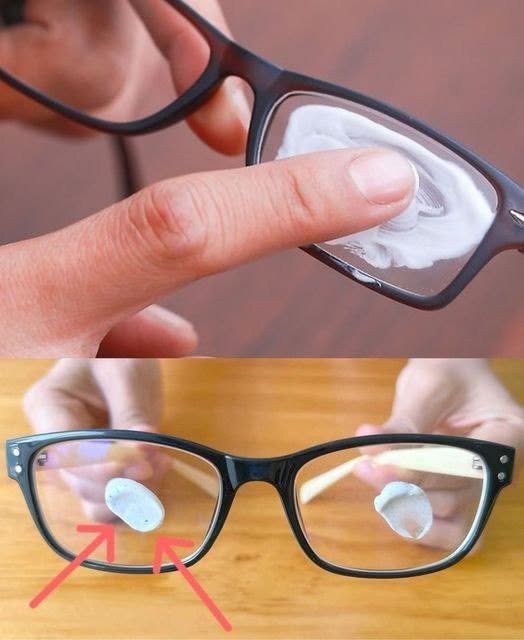
Viral DIY and “life hack” reels love to promise miraculous fixes with catchy hooks like “Scratches on glasses? Don’t waste money: apply a little and they’ll disappear instantly”—usually featuring household items like toothpaste, baking soda, car wax, or glass polish smeared onto lenses.
When optometrists, opticians, and optical lens manufacturers look at how modern eyeglasses are engineered, the reality is far more sobering: You cannot magically erase scratches from prescription eyeglasses with a household DIY trick. In fact, most of those viral hacks will permanently ruin your lenses.
Here is what science and optics actually say about lens scratches and why those DIY “miracle cures” do more harm than good:
Why DIY “Scratch Erasers” Actually Ruin Your Lenses
Viral videos claim that rubbing toothpaste or baking soda into a scratch will buff it away. Here is why that fails:
-
Lenses Are Not Bare Glass: The vast majority of modern eyeglasses are made of lightweight, high-index plastics or polycarbonate, not raw window glass. More importantly, quality lenses are coated with multiple microscopic layers—including anti-reflective (AR) coatings, UV protection, and scratch-resistant hardening.
-
The Abrasive Trap: Toothpaste, baking soda, and metal polishes are abrasives. When you rub them onto a coated plastic lens, you aren’t filling in the scratch; you are grinding away the delicate anti-reflective and protective coatings around it.
-
The Result: While the single deep scratch might look slightly blurred, you end up creating a massive, hazy, light-diffusing “scuff zone” across the entire lens. When you put the glasses on, lights will glare, your vision will strain, and the lenses will be effectively ruined.
What About Glass Car Wax or Smartphone Screen Protectors?
-
Car Wax / Furniture Polish: Some hacks suggest rubbing wax into scratches to fill them in. While this might temporarily trick the eye by altering how light refracts, it creates an oily, smeary film that attracts dust, smudges easily, and blurs your vision the moment you step into sunlight.
-
Liquid Glass / UV Resins: While UV-curable liquid screen protectors can fill minor surface crevices on flat smartphone screens, they are optically distorted. Looking through a curved, hand-applied resin layer right in front of your eyes will cause severe eye strain, headaches, and distorted refraction.
Is There Anything You Can Do?
Unfortunately, once a plastic or polycarbonate lens is deeply scratched, the damage is permanent. There is no chemical or household remedy that can restore the optical integrity of a scratched coating.
If your lenses are heavily scratched and causing eye strain, the only real solutions are:
-
Replace the Lenses: Many optical shops can keep your current frames and simply pop in new prescription lenses with fresh anti-reflective coatings.
-
Check the Warranty: Many premium anti-reflective and scratch-resistant coatings come with a one-time manufacturer scratch warranty that covers replacement within a certain timeframe.
How to Protect Your Lenses in the First Place
Since prevention is the only real fix for scratches, proper maintenance is key:
-
Never dry-wipe your lenses: Wiping a dusty or smudged lens with a dry paper towel, tissue, or the corner of your shirt acts like sandpaper, dragging microscopic dust particles across the plastic. Always rinse with warm water and mild dish soap (like Dawn) or use a dedicated optical microfiber cloth.
-
Use a Hard Case: Tossing loose glasses into a purse, pocket, or car dashboard without a hard case is the number one cause of sudden, deep scratching.