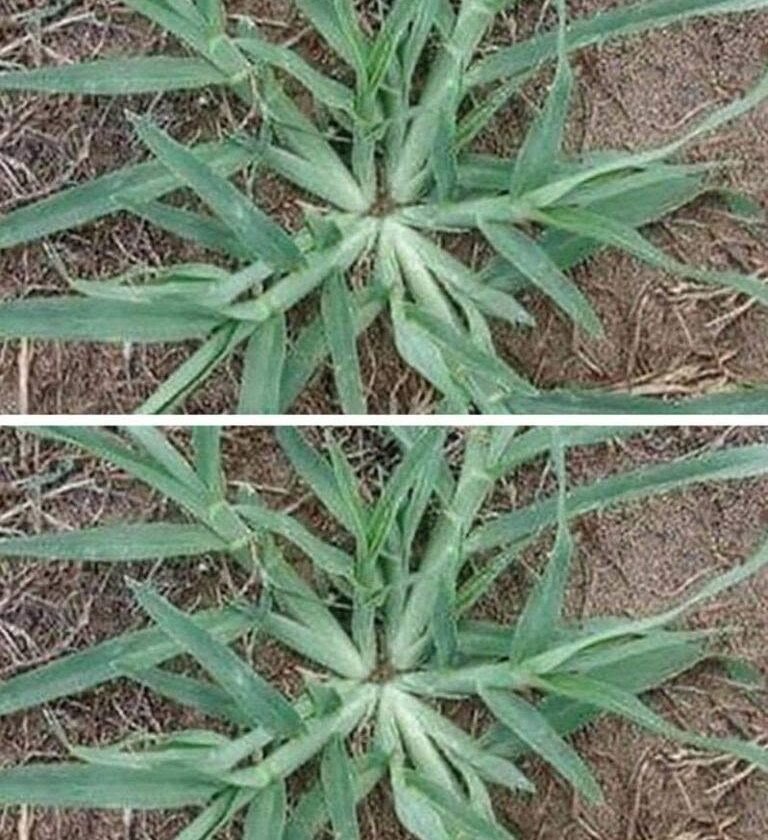
Never Uproot This Plant If It Appears in Your Garden
A mysterious plant popping up in your garden can be tempting to pull immediately—but not every volunteer plant is a weed.
Some unexpected plants can provide food for pollinators, improve biodiversity, or even become useful garden additions.
🐝 Why Some “Weeds” Deserve a Second Look
Before pulling an unfamiliar plant, check what it actually is.
Certain wild plants can:
- Provide nectar or pollen for bees and other pollinators
- Offer habitat for beneficial insects
- Help cover bare soil
- Add seasonal flowers to your garden
- Sometimes be edible—but only when the species has been positively identified
🔎 But Don’t Keep Every Volunteer Plant
Some plants spread aggressively and can become invasive. Others may be poisonous to people or pets.
That’s why the safest rule is:
Identify first, uproot later.
Take a clear photo of the leaves, stem, flowers, and overall plant, then use a reliable plant-identification resource or ask a local gardening expert.
⚠️ Never Eat an Unknown Plant
A plant that looks like a familiar edible species may have a toxic look-alike. Identification should be certain before consuming anything growing wild or unexpectedly in your garden.
And if you’re removing an unfamiliar plant, consider wearing gloves—especially if you don’t know whether its sap can irritate the skin.
Bottom line: Don’t automatically pull every unfamiliar plant from your garden. Find out what it is first. You might discover a harmless native wildflower or a valuable plant