Reaching 60 Without These 5 Diseases Doesn’t Guarantee You’ll Live to 100
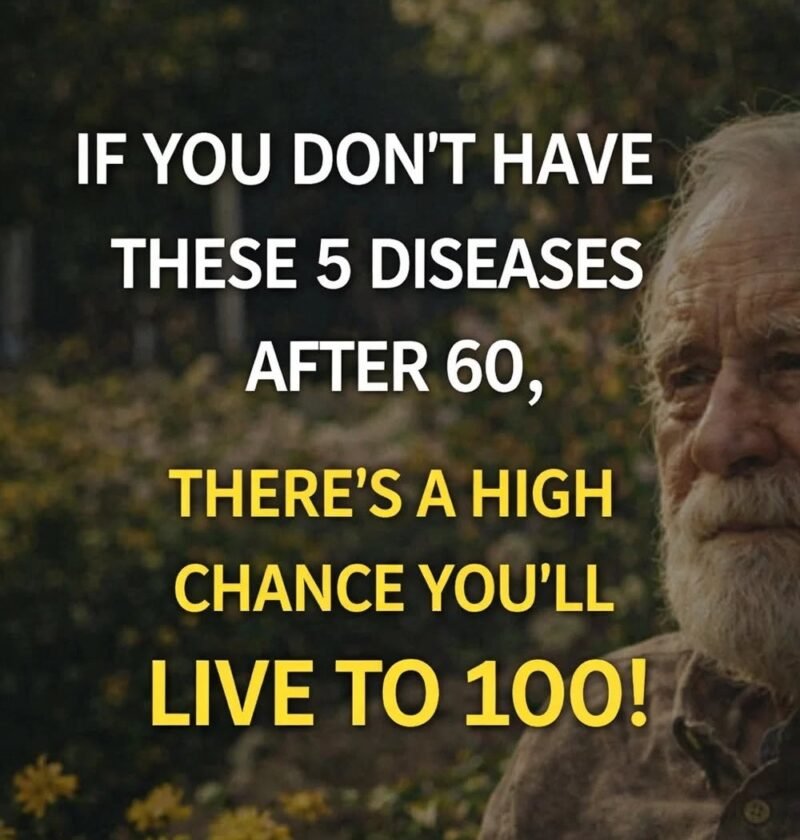
You may see headlines claiming that avoiding five particular diseases by age 60 means you have a “high probability” of reaching 100. That conclusion is too strong.
Living to 100 depends on many interacting factors, including genetics, blood pressure, cholesterol, smoking, physical activity, diet, body weight, social circumstances, access to healthcare, and the development of illnesses later in life.
Research on centenarians does show that people who reach very old ages often have lower rates of major chronic diseases or develop them later than people who die at younger ages. But being free of a disease at 60 doesn’t allow us to predict an individual’s lifespan with certainty.
Conditions commonly associated with longevity research include:
-
Cardiovascular disease
-
Cancer
-
Diabetes
-
Stroke
-
Dementia
Importantly, these aren’t a checklist that determines whether someone will reach 100. A person can develop one of these conditions and still live for many years, while someone without them at 60 can develop another serious illness later.
What matters more
Rather than focusing on a “five-disease” formula, the evidence generally supports maintaining healthy blood pressure and cholesterol, not smoking, staying physically active, eating a nutritious diet, maintaining social connections, getting appropriate preventive care, and managing existing medical conditions.
So the accurate takeaway is: being healthy at 60 is encouraging, but it is not a reliable guarantee—or probability calculation—for reaching 100.